Bordeaux was in terrible shape at the end of the Second World War. It had been occupied by the Germans, and cellars were destroyed or looted. Vineyards were in poor condition: the women had done their best to maintain them and harvest grapes during the war. But the summer of 1945 was glorious and harvest occurred in close to perfect conditions. A frost early in May had reduced yields and increased concentration. The wines proved to be the best vintage of the twentieth century. Its only rival might be 1961. It’s generally agreed that the Médoc was the star of both vintages. The rivals for the best wine of the century divide between Mouton Rothschild 1945 and Latour 1961.
Before the tasting
At a retrospective in New York to celebrate the 80th anniversary, the vibrancy of the wines was still evident. Opening with Trotanoy, the wine still seemed fresh with lively fruits, well rounded, and just a touch of the tertiary character of old Merlot. It did not fade at all in the glass, even over an hour. Its elegance might be viewed as a contrast with the sheer power of today’s Pomerols.
The Berry Bros bottling of Cheval Blanc followed. It’s well known that Cheval had problems with over-heating in the vats in 1945, with ice thrown in to cool some, and volatile acidity sometimes developing. There was no trace of either problem with this bottle. Indeed, this is one of the rare instances in which I have usually found the Berry Bros bottling to be superior to the chateau bottling. The flavor spectrum of Cabernet Franc was marked, with that dry sense of tobacco dominating the finish. The wine held up well immediately after opening, but faded a bit after half an hour as the dryness of the finish took over.
The Berry Bros bottling of Cheval Blanc 1945
The next two flights were comparisons. Lafite Rothschild has been ethereal, with fragrant fruits floating in the atmosphere, but has begun to fade in the past couple of years. Although usually sturdier in most vintages, its neighbor Cos d’Estournel has sometimes shown something of the same fragrant elegance. On this occasion, the Cos started out if anything more fragrant and elegant than the Lafite, but first growth character showed as the wines developed in the glass and Cos developed an edge while Lafite floated along.
A similar development ensued with a comparison of Palmer and Chateau Margaux. Chateau Palmer started out with a touch more generosity, with rounder fruits, while Margaux seemed a little tight. Then as Palmer lost its sense of forward fruits, the structure of the Margaux loosened up and it become more elegant than the Palmer. The difference was a brilliant demonstration of the characters of their blends, heavily Cabernet Sauvignon for Margaux, more Merlot in Palmer.
Even after eighty years, Chateau Latour showed the power of Pauillac. Fruits are still relatively dense. Black fruit character and the pulling power of Cabernet Sauvignon remain evident. Some people preferred the Latour to the Mouton Rothschild, but I thought the Mouton pulled ahead for slightly livelier fruits, greater aromatics, and sense of freshness. It really is a timeless wine, or at least as timeless as wine can get.
The famous V for victory label of Mouton and a rather tattered label for Latour
We finished with Chateau d’Yquem, so dark it seemed almost black. All Sauternes become darker with age, of course, but they say at Yquem that the 1945 is one of the darkest of the vintages of the century, having taken leaps into greater darkness every decade. It was even more intense than I remember it from my previous tasting, twenty years ago. The balance of sweetness to acidity is fantastic, with a palate that’s mature but not old, and a huge range of flavors.
Chateau d’Yquem 1945 in all its glory
I suppose it’s undeniable that these wines are no longer at their peak, which in most cases may have been several decades ago, but they are a living demonstration of the greatness of old Bordeaux.
Detailed Tasting Notes
Trotanoy
Pungent notes of old Merlot show through sweet ripe fruits, still in balance with acidity. Not at all tired although tannins are resolved. Keeps going in the glass and does not tire at all.
Cheval Blanc
Strongly dominated by mature Cabernet Franc with notes of tobacco and tea on the finish. Quite dry at the end. Feels more like the seventies than the forties in terms of age. Fading a little in the glass as fruits begin to dry out. A faint touch of tannin at the end becomes bitter as the fruits fade.
Cos d’Estournel
Just a little less weighty than the Lafite, but a very similar impression of elegance. Sweetens in the glass after opening, and then becomes a little bitter as it develops, losing elegance compared to the Lafite.
Lafite Rothschild
Not as fragrant or aromatically uplifted as previous bottles. A little sturdier than Cos when it opened, with a touch of bitterness at the end. But lightens up in the glass, developing that infinitely fragrant elegance.
Margaux
Very refined, greater sense of precision in its black fruits than Palmer, very much Cabernet Sauvignon in fine structure and texture. Great finesse Fruits begin to dry out very slowly in the glass.
Palmer
At first the Merlot carries this forward with a sense of generosity. A little fleshier than Chateau Margaux to begin with, but becomes a touch bitter as fruits fade in the glass.
Latour
Ripe and generous and quite nutty on the finish. A touch of bitterness as wine develops in glass. Certainly full bodied, you can definitely see the power of Pauillac and Latour, but it’s lost the sheer gloss, the plushness, that it showed when younger.
Mouton Rothschild
A little nutty, a little more elegant than Latour. Something of the same sense of those fragrant layers of flavor, that ethereal character, of the Lafite, but weightier. There is now a little bitterness on the finish.
Chateau d’Yquem
Rich, unctuous, figgy, very intense, very viscous. Notes of caramel. Sweet but not overwhelming. Very much its own wine, its own style. Vastly more complex than a modern Sauternes.
Not a drop left after the tasting. All the wines were in excellent condition, with levels varying from well into neck to very top shoulder. All the corks were original, except for Yquem, which was recorked recently. The wines were mostly sourced from old English country house cellars.
Based on this week’s annual UGCB tasting in New York, the vintage 2022 most reminds me of recently is 2016. Palates show smooth black fruits, tannins are there in background but rarely assertive, and the wines are at least approachable enough to assess. In terms of short to mid-term consumption, 2022 may offer as much pleasure as 2016. I am not so sure 2022 has quite the same intensity, and in the long term (say after 2040) I suspect it will show a lighter, less impressive style. While I wait to see if aging follows the expected pattern, my verdict is very good indeed, but perhaps not great if the criterion for great is extended longevity. Most of the wines will be ready to start within the next few years; it is a rare wine that will need waiting into the 2030s. The single descriptor that appears most often in my tasting notes is ‘smooth.’
This is certainly a vintage in which the individual appellations show their individual characters. There is greater homogeneity within each appellation than usual. It’s really a textbook year for seeing the differences between appellations on the left bank, with elegance in Margaux, precision in St. Julien, plushness in Pauillac, and hardness in St. Estèphe. It is not so obvious on the right bank, where a greater sense of restraint than usual has brought St. Emilion and Pomerol closer together. One general change is that those chateaux that had adopted an overtly ‘modernistic’ style during the Parker years have now reverted to a more restrained approach.
Pessac-Léognan divides between the top wines showing the intensity of a great year, and those wines in a slightly lighter style that may be ready to start within a couple of years. In the first powerful category are Haut Bailly (a standout this year, it really feels like a first growth), Domaine de Chevalier (with its usual great sense of precision, already turning silky
Smooth, inclined towards elegance), Pape Clément (more elegant than powerful this vintage, just a little short of the intensity of a top vintage), and maybe Smith Haut Lafitte (not as overtly modernistic as past years, but still the most ‘modern’ wine in Pessac-Léognan). In the second class are Carbonnieux, Carmes Haut Brion, de Fieuzal, Larrivet Haut Brion, Latour-Martillac, and Malartic Lagravière, all showing significant elegance. Pessac-Léognan is where I have the most concern whether the wines have enough stuffing for the long term.
In the Médoc there is an unusually clear demonstration of increasing structure as you move from south to north. The Haut-Médoc, Listrac and Moulis aren’t as fruity as, say, the wines of Margaux or St. Julien; Poujeaux and Chasse-Spleene show the most fruits in a relatively structured style. Cantemerle and Camensac are somewhat oarallel to them.
Margaux starts with more obvious structure than Pessac-Léognan. The wines tend to elegance, many are unmistakably Margaux with that impression of refined elegance, but these sense of tannins, shown by some dryness on the finish, is a bit more evident than usual. The standouts are Lascombes, where Axel Heinz is well on the way to placing the chateau in its proper place among the second growths, and has achieved a great combination of fullness and elegance, already giving a complete impression, and Rauzan-Ségla, where the extremely fine palate gives a great impression of the silkiness of Margaux. More structured than usual, Prieuré-Lichine achieves great elegance, Kirwan shows its typically lighter elegance with a great sense of fruit purity. Desmirail’s elegance is typical of Margaux. Brane-Cantenac, Cantenac-Brown, Dauzac, Giscours, and Malescot St-Exupéry all show that sense of structure against the palate of smooth black fruits.
In St. Julien, the fullness of the vintage plays off against the classic precision of the commune. Wines vary from those where precision is the dominant influence to those which show a broader, fuller palate. Fruits tend to be a little fuller here than in Margaux, so the tannins are sometimes a bit better hidden, but the wines are definitely well structured. As always, Léoville Barton typifies the precision of St. Julien, and Langoa Barton is in the same style but less intense. Léoville Poyferré has a more overt sense of black fruits, but has backed off from the full modernistic style of recent years. Saint Pierre is fuller and sweeter than its stable mate Gloria. Beychevelle shows its classic tightness, a coiled spring waiting to unwind, and Talbot is a bit rounder than usual for the chateau.
Pauillac shows a yet more structured impression than St. Julien, not quite a throwback to classicism, but certainly a counterpoint to the fruits, with the sense of structure pushing the usual plushness of Pauillac more into the background. The standouts in Pauillac are the two Pichons. When I came to Pichon Baron, I thought it showed the most obvious typicity of the appellation; and then I came to Pichon Lalande, which is even plusher and fuller. Both are outstanding, with black fruits coming well through the structure. Lynch Bages goes for elegance rather than power in this vintage. Grand Puy Lacoste shows a great combination of plushness and elegance. Grand Puy Ducasse shows a new level of precision. D’Armailhac is fuller and more concentrated than its stable mate Clerc Milon, Duhart Milon is very fine. Haut Batailley shows a distinct advance in finesse under its new management (from Lynch Bages); Batailley is not quite so refined. There scarcely seems to be any chateau in Pauillac that hasn’t produced a wine this year immediately identifiable as coming from the commune.
St. Estèphe is always difficult to assess at the UGCB because the tasting never includes the top wines, but that typical hardness of St. Estèphe is evident across the board.
I often find the wines of the right bank too overtly fruity, Pomerol more so than St. Emilion, but whether because of conditions of the vintage, or because producers have backed off from the Parkerized style, this year there is a greater sense of restraint. You would not mistake the wines for the left bank as they are evidently more open, but the fruits are nicely matched by structure in the background.
St Emilion shows wines with elegance (this is not a phrase I use so often on the right bank). The standouts are Canon-La-Gaffelière, which has simply became more refined every year, and in 2022 shows a great sense of precision, and Valandraud, which shows a level of refinement that’s unusual for St. Emilion and is all but the antithesis of the in-your-face character of the garage wines. Pavie Macquin has a slightly fuller style, with a great foreboding of savory development to come. La Dominique really typifies the vintage with round black fruits making a smooth palate backed by supple tannins. Beau-Séjour Bécot, Dassault, Clos Fourtet, Grand Mayne, La Tour Figeac, Trottevielle all follow suit.
Pomerol is not as forward and obviously fruity as I associate with its usual state. Tannins are quite firm in the background, although never obtrusive, brining a greater sense of structure than usual, but without showing that sense of dryness on the finish displayed by the wines of the Médoc. Some Pomerols feel more like St. Emilion. With that sense of structure, they probably will not be ready much before the wines of the left bank. Le Gay comes closest to my image of Pomerol for its rich, forward black fruits. Petit Village is fuller and more typically Pomerol than its (new) stable mate, Beauregard, which offers more restraint and structure and seems backward. Clinet and Gazin are mid weight and firm, more restrained than the style I usually associate with the chateaux.
There are years when the whites of Bordeaux are so rich and oaky that they seem reminiscent of Burgundy, but 2022 tends towards crispness and even sometimes a touch of herbaceousness from Sauvignon Blanc. One of the more intense whites of the vintage, Pape Clément is the standout for richness, with no trace of herbaceousness. Domaine de Chevalier shows its usual great sense of precision. Moving more towards herbaceousness, Smith Haut Lafitte is just a little less refined. De Fieuzal, Larrivet Haut-Brion, Latour Martillac, and Malartic-Lagravière show palates of stewed citrus with that typical hint of herbaceousness in the background.
Sauternes did well this year, with wines showing nicely botrytized noses and palate following into marmalade, caramel, honey, and nuts. Suduiraut is the standout for its intensity, followed by Doisy-Védrines. Guiraud and La Tour Blanche are full on the palate but don’t show those savory overtones.
2022 is a more even vintage than usual, making it hard to go wrong.
Tasting Notes
Pessac-Léognan Blanc
Château Carbonnieux Nose mingles nuttiness with herbaceousness. Palate veers towards refreshing herbaceousness, quite noticeable retronasally. 89/100
Château Les Carmes Haut Brion Slightly lighter style, elegant but does it have enough stuffing for the long term? 90/100
Domaine de Chevalier Blanc Whiff of herbaceousness on nose is offset by sweet ripeness of fruits on palate. Very fine representation of the precision of the chateau and the style of Pessac-Léognan. 93/100
Château de Fieuzal Smooth and black, inclined to elegance. Questions is whether it has enough stuffing. It will be ready to drink quite soon. 90/100
Château Haut-Bailly Intensity of palate reminiscent of old vines cuvées. Tannins are supple, fruits are black, the intensity feels like a first growth. Tannins are not at all obtrusive, the fruits are much in front. Could almost start now. 94/100
Château Larrivet-Haut-Brion Smooth, inclined towards elegance, but the question is whether it has stuffing for longevity. Generally a modernistic impression. 90/100
Château Latour-Martillac Slightly attenuated impression. Smooth black fruits but not a lot of stuffing behind. Needs more presence on the palate. 90/100
Château Malartic Lagravière Smooth, elegant, black, not quite a lighter style, but not full force. Black fruits are supported by relatively light tannins. 90/100
Château Pape Clément Mid weight palate is well balanced between black fruits and supple tannins but possibly not the intensity of the very top vintages. Perhaps it’s just going for elegance. Not so overtly modern as in the past. 92/100
Château Smith Haut Lafitte Smooth and modern with faintly nutty notes and traces of vanillin. Supple tannins in the background. Somehow the modern style is not persuasive. This may be the most modernistic wine of the year. Very nice for short time, but what about longevity? 92/100
Pessac-Léognan
Château Carbonnieux Smooth palate with just a rasp from structure at the end. Very much Graves, cigar box showing on top of black fruits, Reminiscent of 2016, very promising. 91/100
Domaine de Chevalier Smooth and elegant, very typical. Black fruit palate supported by tannins that are already turning silky. Long finish shows black fruit s tending to blackcurrants. 93/100
Château de Fieuzal Sense of citrus fruits and herbaceousness on palate, but not as intense as I expected from the year. Nice balance with refreshing style of citrus fruits. 90/100
Château Larrivet-Haut-Brion Restrained, faint herbaceousness offsets citrus palate. Nice sense of balance and completeness. 91/100
Château Latour-Martillac Slightly herbaceous stewed citrus impressions but not as much concentration on palate as I would like. 90/100
Château Malartic Lagravière Stewed citrus fruits with sweet ripe impressions. Faint hints of nuttiness at end. 90/100
Château Pape Clément One of the more intense whites of the vintage. Sweet ripe stewed citrus, no trace of herbaceousness. Smooth and silky. 92/100
Château Smith Haut Lafitte Banc Smooth, fine, stewed citrus fruits on palate with no trace of herbaceousness. This is just a little less refined than Pape Clement. Smooth and silky on the finish. 92/100
Moulis
Château Chasse-Spleen Softer than Poujeaux but perhaps fruits are not quite as concentrated, although there is greater tannic structure with more dryness on the finish. There is just a touch of hardness on the finish. 90/100
Château Poujeaux Very typical result for chateau. Opens with black fruits that then become more restrained as firm tannins kick in. Touch of dryness at end indicates structure. Origin outside the great communes betrayed by just a touch of hardness. 90/100
Haut-Médoc
Château Cantemerle Nice sense of restraint against black fruit palate. Tannins are smooth in background. This is all but ready to drink. 90/100
Château de Camensac Faint hints of herbal character on nose. Nice balance on palate but not as concentrated as I expected for year. 90/100
Château Citran Black fruits subsumed by flatness of finish. Not much pizzazz. 89/100
Margaux
Château Brane Cantenac Faint sense of asperity to nose. Not quite barnyard but some herbal impressions faintly in background. Slightly attenuated quality. Tannins quite tight. 90/100
Château Cantenac Brown Mid weight palate, some dryness from tannins at end. The elegance of Margaux is pushed into the background. Structure needs to resolve a bit. 90/100
Château Dauzac Slightly herbal sense of austerity to nose. Sweet ripe fruits on palate, fruitiness quite overt. Wine a little fuller than usual for Margaux. 90/100
Château Desmirail Classic nose of black fruits, spices, and herbs. Restrained black fruits on palate. Very typical of Margaux with lovely herbal impressions on finish. Should be ready soon. 91/100
Château Giscours A little fuller as always, but nicely restrained on palate. Structure indicated by dryness on finish. Palate shows fruits in background but tannins not too overt either. Hard to judge. 90/100
Château Kirwan Here is the typical elegance of Margaux and the light touch of Kirwan. Great sense of fruit purity. Structure indicated by dryness on finish. 91/100
Château Lascombes Full force elegance if that’s not an oxymoron. Palate is relatively full for Margaux, with smooth black fruits and supple tannins. Already there is an impression of completeness. 94/100
Château Malescot St. Exupéry Smooth and very Margaux-ish. Structure shows non finish. Indeed this gives impression of well-structured wine. Black fruits show liquorish impressions with faint aromatics. Feels relatively modernistic. 92/100
Château Prieuré Lichine Smooth, elegant, very Margaux-ish, structure indicated by dryness at end. Elegant black fruits with tannins really drying finish. More structured than usual. 91/100
Château Rauzan-Ségla Very fine, very elegant, really epitomizes Margaux. Smooth and silkier than most Margaux chateaux this year. Classic representation of chateau and appellation. 93/100
Château du Tertre Smooth, elegant, tannins well in background, some hints of smoke. Very nice, but not as intense as some chateaux this year. 90/100
St. Julien
Château Beychevelle This shows the classic tightness of young Beychevelle, with elegant fruits feeling very Cabernet Sauvignon-ish and a sense of taut structure on the finish. Dryness on the finish shows significant structural support. This is a very fine result in the traditional style of the chateau. 92/100
Château Branaire Ducru Smooth palate shows good sense of precision of St. Julien. Lovely black fruits fill the palate with just a touch of overt fruitiness at the end. 91/100
Château Gloria Nice sense of the precision of St. Julien. Fruits are a little tight, quite elegant, but I wonder if there is quite enough stuffing for longevity. 90/100
Château Gruaud Larose A little flat on the nose. Fine granular impression on palate, black fruits just a little muted at present. Should become a classic representation of the chateau showing the drier side of St. Julien. 92/100
Château Lagrange Smooth, elegant, good sense of St. Julien. The overly modernistic impression of recent years has all but gone. Just a faint touch of vanillin to remind of recent history. Tannins quite firm but not obtrusive. 91/100
Château Langoa Barton The usual fine impression of the Barton wines, but less presence on the palate than I expected in this vintage. Black fruits are supported by fine tannins, I would have liked just a little more intensity. 90/100
Château Léoville Barton As usual more intensity than Langoa. Smooth, elegant, greater sense of structure. Very fine tannins scarcely obtrude on the palate. Very much the Barton style. 92/100
Château Léoville Poyferré Overt sense of black fruits to nose and palate. Firm tannins with touch of dryness on finish. The modernistic style is not so evident as previously, but the palate is relatively full, you fill the vintage has filled it out more than usual. 92/100
Château Saint Pierre Fuller and sweeter than Gloria and also more sense of structure showing with the dryness of the finish. Less precise but broader than Gloria. 91/100
Château Talbot Relatively round impression for Talbot. Just a hint of tannic dryness at end. Firm impression on palate. Developing in a savory direction. 92/100
Pauillac
Château Batailley The fullness of Pauillac shows, not quite plush on the palate. The texture is not quite as fine as I would like. Structure needs to soften. 90/100
Château Clerc Milon Just a touch tight and restrained. Tannic structure shows as dryness on finish. A bit of a throwback considering the vintage. 91/100
Château d’Armailhac Fuller than Clerc Milon, greater fruit concentration, smooth tannic structure showing more as restraining influence than dryness on finish. 92/100
Château Duhart Milon A very fine impression, showing finesse over plushness, tannic structure just detectable by dryness on finish. Will mature to elegance rather than power. 92/100
Château Grand-Puy Ducasse Here is something of the plushness of Pauillac offset by a well structured character. This is very Pauillac and represents a distinct advance over previous years for the chateau. 92/100
Château Grand-Puy-Lacoste Smooth and elegant, very much the elegant style of the chateau, fine black fruits, supple tannins in background. Perhaps not as forceful as 2016. 92/100
Château Haut Batailley A distinct advance in finesse over the old style.. Fine black fruits supported by tannins that dry the finish. Quite structured in the classic tradition but the fruits behind the structure are evident. The closest to a vin de garde this vintage comes. 92/100
Château Lynch Bages Very fine, very elegant, smooth rather than plush. Finely textured palate will move in savory direction as it ages. 94/100
Château Lynch Moussas Fine structure feels more like St Julien. Quite an elegant impression. Structure imposes restraint rather than dryness on finish. Very good for the chateau. 90/100
Château Pichon Baron Perhaps the most classic representation of Pauillac in the vintage. Round black fruits are almost plush with very smooth supple tannins. A top result for the chateau and the vintage. May become chocolaty as it ages. 94/100
Château Pichon Longueville Comtesse de Lalande Plusher and fuller even than Baron. Tannins show firmness on finish. Lovely black fruits just coming through the structure. Very typical Pauillac. 95/100
St. Estèphe
Château Cos Labory Here is the hardness of St Estèphe, not really dryness on the finish, just a little hard, flattening the impression of the underlying black fruits. Just needs time. 90/100
Château Phélan Ségur Quite smooth for the chateau and for St Estèphe. Structure shows at the end but I expect this to soften in 4-6 years. 90/100
St. Emilion
Château Beau-Séjour Bécot Smooth, round, and fruity. Tannins well in the background are supple. Touch of overt fruitiness reveals Merlot. Close to approachable. 90/100
Château Canon La Gaffelière Really shows breed because it not only has the round black fruits of the vintage with supple tannins but also an impression of precision and elegance. This is very fine. 94/100
Château Dassault Smooth, round, soft black fruits, supple tannins, quite an elegant impression for St. Emilion. Maybe I would like a touch more presence on the palate. Very approachable. 92/100
Château La Dominique This wine really typifies the style of Grand Cru Classés this vintage. Soft, round, black fruits are relatively forward, but there is a touch more tannic presence, although supple, than some. Very good result, 91/100
Clos Fourtet A little more restrained than most this year. Good balance between black fruits and unobtrusive structure. Hints of coffee. 91/100
Château Grand Mayne Typical for year, black fruits at front, supple structure behind, but not quite enough pizzazz on palate. 90/100
Château Pavie Macquin Right on form. Palate shows firm black fruits, slightly nutty in the background. Nice sense of savory development to come. Very well balanced. A proper wine. 92/100
Château La Tour Figeac Typical if not at the top rank. Not exactly attenuated, but not as much presence as I would like on palate. Just a touch of firmness from structure at end. 90/100
Château Trottevieille Slightly flat on the palate compared with the more obviously fruity chateaux of this vintage. Tannic structure is not obtrusive but seems to be responsible for flattening the palate a bit. 90/100
Château Valandraud Very fine result showing a level of refinement that’s unusual for St. Emilion. Palate has finely textured black fruits, tannins in background. I don’t often say this in St. Emilion, but the overall impression is elegance. It is a complete contrast with the reputation of garage wines. 93/100
Pomerol
Château Beauregard Seems restrained for Pomerol. Black fruits segue into firm finish with some elegance. Feels more like St Emilion or even left bank compared to usual lushness of Pomerol. Structured enough to need time. 91/100
Château La Cabanne Soft, a bit forward, quite Pomerol-ish, but firm tannins in background. 90/100
Château Clinet Mid weight black fruits. More restrained than I usually associate with the chateau. Firm tannins in background. 90/100
Château Le Gay This is one of the few wines of the vintage that taste like my image of Pomerol. Forward, fruity, and black on palate, although tannins are firm in background. 90/100
Château Gazin Quite a firm impression on the palate. Black fruits more in the background than most, tannins quite firm. Feels surprisingly like St. Emilion. 90/100
Château Petit Village Fuller and more typically Pomerol than Beauregard, but even so there is more sense of structure than I usually associate with Pomerol. Black fruit palate has firm tannins in background. 92/100
Sauternes
Château Doisy-Védrines Botrytis on nose, sweet on palate, but not too sweet, you can see the flavor variety coming through with citrus, marmalade, and nuts. Lingers on the finish. 93/100
Château Guiraud Full on the palate, botrytis showing on nose and palate, with honey, nuts, and marmalade. Sweetness is just a touch overt. 93/100
Château Suduiraut Nose is redolent with botrytis, honey, marmalade, stewed citrus. Viscous palate has great concentration, long finish with hints of bitterness. This is a top result. 95/100
Château La Tour Blanche Sweet palate with notes of botrytis but some bitterness on top of honey, nuts, and marmalade, but no savory contrast. 91/100
“I’m finding it hard to see a lot of love in these wines,” one taster said at the tasting of 2016 St. Emilion Grand Cru Classé in New York. Indeed the wines are quite tight at present, but although elegant is not the first word I usually use to describe St. Emilion, it was often the most appropriate description in my notes.
The general impression of the vintage is fine, structured, and still a little tight. In a blind tasting it might be difficult to identify most of these wines as being predominantly Merlot because their texture has a finesse you might not usually associate with the variety. Most need at least 3-4 years, not so much for the tannins to resolve, as they are generally fine and tend towards silky, but to let flavor variety come out from under. They remind me more of the Left Bank than of the usually plusher character of the Right Bank.
The style of 2016 is a great compromise between the extremities of earlier years. At the same tasting of the 2010 vintage six years ago, my problem was in distinguishing wines from one another (Oenologues Triumph in St. Emilion) because they all showed much the same character of furry tannins behind soft black fruits. And then four years ago at the tasting of the 2012 vintage, the wines were tight and alcoholic, often verging on tough, with quite sharp tannins (Alcohol and Tannins in St. Emilion: Cheshire Cat Years?)
By contrast with the earlier years, 2016 has a great sense of balance between fruits and structure. Of course they vary in their stages of development. A few are really still tight, but in most, flavor variety is just beginning to poke out from the palate, with some wines now moving in a savory direction. They should become increasingly fine as they age over the next couple of years, and then show increasing generosity and delicious refinement for at least the next decade.
I hesitate to project beyond that, but there were a few older wines on display to give some indication of aging potential, among which Dassault 2000 was quite mature and really at its peak with signs of tertiary development, Grand Pontet 1995 was flavorful but quite dry at the end, and Grand Corbin Despagne 1989 is à point although not showing tertiary development. (I had the 1988 at the château a year ago, and it was even better, making the point that Grand Corbin-Despagne really makes 30-year wines.) The best wines of 2016 may therefore well last for two decades or more.
The 2016 Vintage
Bellefont Belcier: Very smooth on palate, with structure just holding the fruits back, but very fine impression promising elegant future.
Chauvin: Very fine impression with smooth, silky tannins, flavor variety just coming out, moving in a savory direction with a tang on the finish. Fine result for vintage.
Clos des Jacobin: Fine elegant impression to nose, elegant structure and fruits on palate against silky background, flavor coming out and moving in savory direction.
Corbin: Firm palate with hints of chocolate on finish, nice flavor variety already beginning to show with the finesse of the vintage. Flavorful palate is moving in a savory direction.
Dassault: Firm palate moving in chocolatey direction, underlying texture with savory flavors, a touch of tannins at end on long finish.
de Pressac: Minty impression to nose, nice solid impression with good flavor variety showing on palate, moving in savory direction, with hints of mint coloring the palate.
Faurie de Souchard: Very smooth indeed, very fine texture to palate, with tannins just showing on dryness of finish, with hints of mint and chocolate. Very fine indeed.
Fonplégade: The most approachable wine in the 2016 tasting. Quite a rich nose tends to buttery impressions, with good structure and elegant balance on palate. Fine silky tannins evident only by faint bitterness on finish. Touch of heat at end but otherwise very sophisticated for St. Emilion. Tannins moving in chocolatey direction.
Fonroque: Restrained nose, fine palate shows rather fresh acidity considering vintage and appellation, quite tight and backward. Might be difficult to identify this as 90% Merlot in blind tasting. Needs time to release flavor variety.
Grand Corbin: Tight and backward, almost fresh acidity, tannins tight on finish with touch of bitterness, somewhat of an old school impression with reflections of the left bank.
Grand Corbin-Despagne: Very faint buttery impressions to nose. Fine texture in background on palate, structure shown by a little bitterness at end but is very fine. Long finish promises goof future development.
Grand Pontet: Elegant impressions to nose, fine and tight, follow to palate. Fine texture should turn silky with age. Flavor variety is just beginning to show. Should mature to real elegance.
Jean Fauré: Very restrained nose, really quite dumb. Palate shows a little more texture than most, but not so lively (yet). Quite structured and a bit uncertain how long it might take for fruit to come out.
La Tour Figeac: Some flavor variety beginning to show against background structure evidenced by almost-phenolic bitterness at end. This needs time to come around. A savory impression on the finish is promising.
Ripeau: Fine structure supports savory notes on palate, somewhat backward in being gripped by acidity, and a little uncertain as to future supply of generosity.
Yon Figeac: Generosity is hiding behind the structure. Smooth palate shows flavor variety just coming out, structure in nice balance with fruits, which will emerge more clearly in next year or so.
Older Wines
Dassault (2000): Mature impression with nose showing some tertiary notes and some high-toned aromatics with oxidative notes. Shows some development on palate with touch of sous bois contrasting with the high-toned aromatics. Around its peak, with the risk of oxidation taking over with further aging.
Grand Pontet (1995): Faintly minty, faintly herbal impressions to nose, following to lovely palate on edge of showing mature development. Quite dry on the finish but good flavor variety. Some people might find this a little dry.
Grand Corbin-Despagne (1989): Surprisingly youthful with no signs of tertiary development. Nose is a little dumb but palate is à point. Smooth palate with tannins almost resolved, moving a little towards minty herbal impressions. May be on verge of fruits beginning to dry out.
“The first thing my parents did when they took over here in 1985 was to take down all the signs to Chateau Lafleur,” Baptiste Guinaudeau explained when we turned up for our appointment. The “chateau” is a somewhat obscure farmhouse with a tiny plot of 4.58 ha adjoining the vineyards of Chateau Pétrus. Keeping an appointment at Lafleur is a test of ability to draw deductions from the map.
The unassuming chateau at Lafleur carries no identification
“When Henri Greloud bought the property in 1872, his vision was to buy small plots and merge them into larger properties, but he felt Lafleur was special and he decided to keep it separate and not to merge it with Le Gay. He built separate cellars so that Lafleur could be independent. Without that decision Lafleur would have become part of Le Gay,” explains Baptiste, who is his great-great grandson. Both properties remained in the family for many years, but today the family properties are Lafleur and also Grand Village, in neighboring Fronsac.
The focus here is really on the vineyard. “We are farmers, we work daily in the vineyard. Chateau Lafleur has 24,800 plants, and we are looking after them individually. We are in the vineyard and we are making the wine also – this is unusual in Bordeaux, usually there are different teams for the vineyard and the cellar – but this connection between the vineyard and cellar is really important for us… The blend is 85% done in vineyard and 15% in cellar. Selection for Pensées (the second wine) is done in the vineyard at harvest. In 2013 400 plants were deselected (individually) from Lafleur to Pensées.”
Two horses are used to work the vineyard at Lafleur
Lafleur is usually about 55% Cabernet Franc to 45% Merlot, which gives it a restrained character quite different from the average Pomerol. Pensées de Lafleur started as a second wine in 1987, soon after Jacques Guinaudeau took over, and for the first ten years was based on declassification of lots, assignment of wines from young vines, etc. But since 1995 it’s come 90% from a specific part of the vineyard, a lower strip running along the southwest border. It more or less reverses the proportions of varieties in Lafleur.
The focus in winemaking is to avoid too much extraction. “We don’t use the word extraction, we want to infuse, the best tannins come without intervention in the first days of fermentation. Cuvaison is only 12-15 days, which is short for Bordeaux, because the wine is already well structured.” Élevage sees some restraint. “We love barrels but we hate oak. 80% of Lafleur and Pensées ages in 6-month barrels coming from Grand Village, the rest is new oak.” And alcohol levels are generally moderate. “It’s impossible to be ripe with less than 13% alcohol in Bordeaux now, but you can be completely ripe at 13.6%. People are going to crazy levels of alcohol to impress critics.” This is old fashioned Bordeaux in the best sense – elegant rather than powerful or jammy fruits, moderate alcohol, restrained wood.
Lafleur can display a touch of austerity coming from its high Cabernet Franc content. It definitely needs more time than average to show its full complexity. “Lafleur is closest to Cheval on the Right Bank, but it’s much easier to compare it to Latour (in Pauillac) than to Pétrus, our style is more masculine, more Left Bank,” says Baptiste. It’s fascinating that the two top wines of Pomerol, Pétrus and Lafleur, should be adjacent, yet so very different.
The crystalline purity is reminiscent of Volnay: the sheer elegance reminds me of Margaux or perhaps St. Julien. Fruits are precisely delineated. The dominant grape variety would not be the first to come to mind in a blind tasting, but it is Merlot: in fact this is a blend of 90% Merlot with 10% Cabernet Franc, and it used to be the Premier Grand Cru Classé of St. Emilion with the highest proportion of Merlot.
Every once in a while you have a wine that really makes you rethink your perceptions of typicity, and this Château Magdelaine from 1982 is a perfect example. I have always found Magdelaine to be the most Médocian wine of the right bank, with a pleasing touch of austerity as opposed to the full fleshy opulence of so many wines. At one point, Clive Coates described it as third only after Cheval Blanc and Ausone.
A leading St. Emilion estate for two centuries, Château Magdelaine was acquired by the Moueix family (of Château Pétrus) in 1952. It has been a Premier Grand Classé B ever since St. Emilion was classified, but in 2012 two changes occurred. Magdelaine did not appear in the revised classification; and Moueix announced that it would be merged with Château Bélair-Monange, a neighboring chateau that is their other property in St. Emilion. Cause and effect have never been publicly discussed. The wine from combined properties (from the 2012 vintage) will be under the name of Château Bélair-Monange
The revised St Emilion classification definitely pandered to the internationalization of Bordeaux by promoting Château Pavie (very controversial for its rich, extracted style since Gérard Pearse took it over) and Château Angelus from Premier Grand Cru Classé B to A. And Valandraud, an archetypal garage wine, was promoted straight from St Emilion to Premier Grand Cru Classé B without ever passing through the intermediate Grand Cru Classé. Château Figeac, the candidate at every prior classification for promotion, but whose one third Cabernet Sauvignon gives it a sterner style than most St. Emilions, was ignored.
Certainly Magdelaine has been falling out of fashion over the past decade or so, failing to get really high points from critics. If this is because it has more of a left bank elegance than right bank plushness, so be it; but it’s a shame for the homogenization of styles to be reinforced by the classification. Isn’t the French system of appellations and classification supposed to help preserve tradition rather than pander to fashion?
All I can say is that the 1982 Magdelaine is a lovely wine, the epitome of what Bordeaux was supposed to be about. It is a shame if this style is to disappear because power displaces finesse.
At the first showing of the 2010 Bordeaux’s at the UGCB tasting in New York last week, the most common question from producers was “which vintage do you prefer, this year or 2009?” The comparison with the 2009s at the UGCB tasting a year ago is like night and day: those wines were often immediately appealing, with lots of obvious fruit extract, whereas the 2010s have a more precise, structured, impression and are more difficult to assess. Producers seem to feel almost universally that 2010 is the better year. I am not entirely convinced and am becoming worried that my palate may have been corrupted.
Differences between appellations came out more clearly this year, but in a different way from 2009. The appellations seemed to playing musical chairs, with some switches of character. Margaux shows fruit precision more obviously backed by tannins; St. Julien shows a soft delicacy. In fact, you might say that Margaux shows a touch of the precision of St. Julien, while St. Julien shows a touch of the delicacy of Margaux. Pauillac is quite firm but often shows perfumed violets reminiscent of Margaux, and tannins are less obvious than usual. St Emilion is unusually aromatic (some wines were too aromatic for me) and Pomerol seems to be sterner. The other turn-up for the book was that those chateaux that have been showing a move to a more modernist style–Pape Clément, Lascombes, Lagrange, Léoville-Poyferré at the forefront–reverted to more classic character, although Smith Haut Lafitte went full force international.
My concern about the future of this vintage started when I tasted through the wines from Margaux (the appellation best represented at the tasting). Almost all the wines showed classic refinement and elegance, with a very nice balance of black fruits to fine-grained tannins, but for the most part there did not seem to be the sheer concentration for real longevity. My sense is that most of the Margaux will be lovely to drink between five and ten years from now, but they may not continue to hold for another decade beyond that. Of course, if they follow the path of the 2009s, which were very approachable a year ago but many of which have closed up today, this timescale could be extended. Judging from Margaux, this is a very good vintage indeed, but I am uncertain whether it will rise to greatness. The best wines in St. Julien are the Léovilles, which have precision and fruit concentration: others have precision but do not quite seem to have the fruit concentration.
Pauillacs were mostly lovely, but with more elegance than the power you usually find, and some might almost be described as delicate. Most seem lively for the medium term, but few offer the potential for real longevity, Perhaps we should no longer expect real longevity? A word that often appears in my tasting notes from Pauillac is “superficial.” There are rarely enough wines from St. Estèphe at the UGCB to form a definitive judgment, but on a rather limited showing they seem to be somewhat Pauillac-like this year.
St Emilion seemed to show its basic varietal composition more clearly than usual. All the wines were more obviously aromatic than usual, and those with greater proportions of Cabernet Franc tended to show unusually high toned aromatics, tending to black cherries; wines where the Merlot was more obviously dominant gave the slightly sterner impression that is the reputation of the vintage. Canon and Canon La Gaffelière were the most obviously aromatic. Cabernet Franc seems to have been too ripe for any wines to show overt notes of tobacco, but there are occasional sweet hints of it. Most wines will be ready to start in a couple of years and should hold for a decade. Pomerol, with its greater content of Merlot, is usually more obviously lush than St. Emilion, but this year seemed more subtle.
I did not get the expected impression of greatness from the Sauternes. The best had a beautiful sweetness with overtones of botrytis, but didn’t seem to have quite enough piquancy to maintain freshness in the long run. However, the wines I tasted were mostly from Sauternes, and it’s said that the standouts were in Barsac this year.
Best wines for each appellation (from those represented at the tasting which were most but not all of the top wines) were:
Pessac-Léognan: Domaine de Chevalier
Margaux: Rauzan-Ségla
St. Julien: Léoville Barton
Pauillac: Pichon Lalande
St. Emilion: Figeac
Sauternes: de Fargues
Looking back a year, I was equally surprised at both tastings, but in quite different ways. Based on reports en primeur, I expected the 2009s to be heavy if not brutish: but by the time they had settled down for the 2009 tasting, most had that characteristic acid uplift of Bordeaux to cut the rich fruits. Accustomed to those rich fruits over the past year, the 2010s seemed much tighter, but I’m not sure they’ve really got that much more structure, and in many cases it seems uncertain whether the fruit concentration will really carry them on for years after the 2009s, as conventional wisdom has it. However, in the past year the 2009s have quite tightened up, and now seem more classical; if the 2010s do the same, I may have underestimated their potential for longevity. There’s no doubt that the 2009s are more delicious and will remain so for some time: perhaps my palate has been Parkerized, but I prefer them at the moment and I’m uncertain if and when that will change.
At the end of a week visiting producers of Cabernet Sauvignon in Margaret River, I wound up with a horizontal tasting of the 2007 vintage with producers of fourteen wines.
The 2007 vintage was warmer than usual and Cabernet got ripe everywhere. Given the general reputation of the vintage, I was expecting a fair number of over-ripe wines, but in fact they are rather rare.
Margaret River is a large region, with the heart of Cabernet production focused in the (unofficial) Willyabrup subregion, with wines that tend to be more robust made in Yallingup to the north, and wines that are tighter coming from Wallcliffe farther south. The vintage showed a very wide range of styles, from wines with black fruits classically cut by a herbaceous touch of pyrazines, to lighter wines dominated by red fruits, and in one case with the warm, earthy impression more usually associated with Pinot Noir. Some wines are sourced from more than one subregion, so it’s not always obvious how to relate wines to individual origins (which are not often stated on the label).
Acidity was usually in balance, and in spite of the hot year does not appear to have been over compensated (one of the problems with Cabernet generally in Australia being that winemakers are so fanatically determined to avoid contamination with Brettanomyces that they acidify to a higher level than might be strictly justified by the demands of taste).
This is certainly a very good vintage, but the succeeding vintage in 2008 was more “classical,” and I found I generally gave those wines higher scores in vertical tastings. But 2007 is delicious to drink in the next few years.
Tasting Notes
Fraser Gallop Estate, Cabernet Sauvignon
Slightly piquant black fruit nose changing in the glass to more herbal overtones. Fine, elegant black fruits, real finesse here, black cherries and plums with subtle aromatic overtones, silky tannins giving a fine-grained texture. This gives a classical impression of pure Cabernet fruits poised on the perfection of ripeness. The very faint herbal overtones on the finish should develop in the next few years to bring complexity to the finish. 14.5% 91 Drink to 2022.
Juniper Estate, Cabernet Sauvigno
Slightly austere black fruit nose tending to savory herbal impressions of sage. Precisely delineated black cherry fruits dominate palate, round and elegant, very much the pure varietal character of Cabernet Sauvignon. Firm tannins dry the finish where there is a very faint sensation of herbaceousness. A classic example of the firm style of Willyabrup. More approachable than usual from this estate. Still needs another year, but should age well for a decade. 14.0% 90 Drink 2013-2022.
Voyager Estate, Cabernet-Merlot
Herbaceous opening to the nose with black fruits hiding behind, giving a cool climate impression. Classic impression on palate of black fruits, softer than the nose would suggest, with soft, ripe chocolaty tannins, those notes of pyrazines coming back on the finish, which shows a touch of heat, but overall a fine elegant impression. 14.2% 90 Drink to 2020.
Cullen, Diana Madeline Cabernet Sauvignon
Nose of fresh red and black berries, opening out into fragrant, perfumed nose with hints of roses and violets. Sweet, ripe, elegant, well rounded fruits of black cherries and black plums, with reserved tannins holding back the fruits on the finish. Flavor variety is developing in an elegant style reminiscent of Margaux, but another year is required to let the tannins resolve. There’s some heat on the finish. 14.0% 89 Drink 2013-2020.
Leeuwin Estate, Cabernet Sauvignon
Warm nose with vanillin and nuts hiding black fruit character and giving an impression of new oak, and then some herbaceous notes of pyrazines developing and strengthening in glass. Sweet, ripe, rounded, firm style on palate, with ripeness of fruits evident but cut by herbaceous touch coming back on finish accompanied by nutty notes from new oak. Impression at this point is a little rustic from the new oak. 14.0% 89 Drink 2013-2021.
Woodlands Wines, Nicolas Cabernet Sauvignon
Slightly austere nose with impressions of cherry fruits. Fine, elegant palate of red and black cherry fruits with refined impression from silky, fine-grained tannins. Just a touch of nuts on finish. Nice balance, needs another year to let the tannins resolve and fruit flavor emerge to show a wine some real finesse in a lighter style. 13.5% 89 Drink 2013-2020.
Cape Mentelle, Cabernet Sauvignon
Fresh nose holding back red fruits, with some sweet herbal elements including thyme developing in glass, making a cool climate impression. Showing nice flavor variety on palate with strawberry and cherry fruits coming out, against a light tannic support. Give this another year to let the dryness of the tannins on the finish resolve, and it should begin to develop a nice savory balance to the red and black fruits. Some heat on finish. 14.0% 89 Drink to 2020.
Moss Wood, Cabernet Sauvignon
Light elegant fresh nose of red fruits, opening out into a spicy and floral nose showing cinnamon and nutmeg. The height of elegance on the palate, but with a flavor profile more like Pinot Noir than Cabernet Sauvignon, with fragrant red fruits pointing towards raspberries and strawberries. The elegance and warmth remind me of Sassicaia in a lighter vintage. This is ready to drink but I suspect that may be deceptive and it will last longer than might be evident at first blush. 14.5% 89 Drink to 2020.
Lenton Brae, Wilyabrup Cabernet Sauvignon
Slightly piquant red fruit impression on nose, leading into soft palate of ripe red fruits of raspberries and cherries. Tannins are fine and silky bringing an elegant impression of fine texture to the finish. As the tannins resolve this will become soft and elegant in a style driven by red fruits. 14.5% 89 Drink to 2019.
Stella Bella, Serie Luminosa Cabernet Sauvignon
Stewed fruit character on nose suggests ripeness, and then pyrazines develop in the glass. More classical on palate than might be suggested by nose, with smooth, ripe, elegant black fruits cut by that touch of herbaceousness that is typical of Wallcliffe (which accounts for a major part of the wine). Light tannins dry the finish, which shows some heat. This is a light, elegant style, but does it have the stuffing for longevity? 14.0% 88 Drink to 2018.
Ashbrook Estate, Cabernet Merlot
Fresh nose with black fruits behind and slightly nutty cereal overtones (reflecting new oak). Sturdy, ripe, well rounded impression of Willyabrup, blackberry fruits cut on finish by drying effect of tannins, with some faintly herbal impressions on finish. Not a wine for instant gratification but should develop in elegant style over next five years, although there is a slight impression of hollowness on mid palate. 14.0% 88 Drink 2013-2020.
Vasse Felix, Cabernet Sauvignon
Ripe vegetal impression, with mix of ripe, stewed, fruits and green overtones, leading into a palate that mixes ripe and green impressions. Fruits tend to blackberries and blackcurrants, tannins are firm, there is a fairly robust impression on the palate, but some flavor variety is developing. 14.5% 88 Drink to 2019.
Xanadu, Cabernet Sauvignon
Black fruit nose with some faintly over ripe impressions clearing to a faintly herbal impression.Elegant balance on the palate, with blackberry fruits showing a touch of reserve as the tight tannins of the finish cut in. Overall the impression is tight rather than generous and there’s a risk the favor profile will narrow down with age. 14.0% 88 Drink 2013-2020.
Thompson Estate, Cabernet Sauvignon
Soft black fruit nose, with some cereal impressions, turning to riper stewed fruits in the glass giving a warmer climate impression. Warm, sweet, ripe red cherry and strawberry impression on palate, with a lingering sweetness on the finish, and slightly nutty notes coming back. Some heat on the finish. A warm, forward, delicious style – already approachable – but does it have Cabernet typicity? 14.5% 87 Drink to 2018.
You don’t often get the chance to reconsider the blend ten years on, but this is what happened when I visited Château Léoville Lascases in St. Julien. We started with a tasting of the individual varieties from 1999. That year the Grand Vin was 62% Cabernet Sauvignon, 18% Cabernet Franc, and 18% Merlot (there is no Petit Verdot because they believe it is too rustic.) Samples of the individual varieties were bottled separately (starting in new oak and then transferring to one year oak, to give an overall exposure close to the grand vin’s 60% new oak).
The Merlot showed surprisingly fresh red fruits, with just a touch of tertiary development. The Cabernet Franc was evidently more refined, more elegant, than the other varieties and showed a faint herbaceous touch with an impression of tobacco. It was less developed than the other two varieties. The Cabernet Sauvignon was quite stern, and gave the most complete impression of any of the single varieties, showing as black fruits with a herbal edge and a touch of herbaceousness showing only on the aftertaste. It’s the most closely related (not surprising since it’s dominant component) to the Grand Vin.
The Grand Vin showed more development than was evident with any of the individual varieties, bringing greater complexity. This has certainly taken its superficial softness and roundness from the Merlot, but you can see the Spartan structure of the Cabernet Sauvignon coming through the fruits; in fact, in some ways it seems more evident here than it did in the sample of Cabernet Sauvignon alone (perhaps because the combination of fruits has less weight than the Cabernet Sauvignon alone), but the overall balance is rescued by the freshness of the finish. There is no doubt that the blend is more complex than its components. In terms of overall assessment, this is a fairly tight wine, with the fruits showing just enough roundness to counteract the leanness of this difficult year.
The most fascinating moment came when technical director Michael Georges made some new blends to see what the effect would be of increasing each variety by another 10%. I liked the blends with more Cabernet Sauvignon or Cabernet Franc; they seemed to me to have at least as good a balance of fruit to structure as the Grand Vin. I could believe that either of them might be Léoville Lascases. But the blend with additional Merlot seemed to be unbalanced, to have a rusticity that had lost the character of St. Julien: I would not believe in this as a Léoville Lascases. The trick seems to be to add just enough Merlot to flesh out the wine, but not enough to go over the edge into rusticity. Further experimentation suggested that the ideal blend might have just 5% more of each Cabernet; it seemed to me that this showed just a touch more finesse than the Grand Vin. “Perhaps we should wait ten years to do the assemblage,” said Michael Georges, but then we agreed that this might have some adverse financial consequences.
For me this tasting also cast an interesting light on the question of whether assemblage should be done early or late. Some people believe that the sooner the cépages are blended, the better they marry together, and the better the final wine. The earliest practical moment is after malolactic fermentation is finished. Others hold the contrary position, that you are in a better position to judge the quality of each lot if you keep the individual cépages separate until the last moment. I felt that the retroactive blend with 5% more of each Cabernet had more youthful liveliness than the Grand Vin, but then it might of course have developed differently had this been the blend from the beginning. Based on this limited experience, I’m inclined to the view that it might be best to mature each lot separately, allowing for significant adjustment of oak and variety, as long as possible, and I think it would be very interesting to see what the châteaux would do if they weren’t under pressure from the en primeur system to blend before the April tastings.
When I investigated the second wines of Bordeaux in detail about five years ago for my book What Price Bordeaux?, I was not very impressed. The impression given by the chateaux was that the second wines provided an opportunity to experience their expertise in the form of wines that were ready to drink sooner than the grand vins, in the same general style, but of course at lower cost. Declassified from the grand vin, these wines would come from vines that in another year might have gone into the grand vin. But this did not entirely accord with reality. Only a minority of second wines were in fact principally derived by declassification (usually from vines that were considered too young to contribute to the grand vin); most had become separate products coming from vineyards that rarely contributed to the grand vin. And most second wines on the left bank had a much greater proportion of Merlot than the corresponding grand vins, certainly making them ready to drink sooner, but also much reducing the resemblance with the style of the grand vin. When I held some tastings specifically to compare second wines with other wines available at similar price points, the consensus of both professional and amateur tasters was that they preferred the other wines. Rather than representing special value because of economies of scale or expertise coming from the grand vin, the second wines seemed to have prices that were inflated by the reputation of the grand vin.
On a recent visit to Bordeaux, I gained an entirely different impression and it seemed generally that there had been a great improvement in the quality of second wines. Possibly a contributory factor was that many of the wines I tasted were from the recent excellent 2009 vintage, but beyond quality per se, it seemed that the second wines showed better representations of communal typicity and genuine resemblance with the styles of the grand vins. As I was tasting at chateaux, I did not have the opportunity to compare second wines with other wines at similar price points; perhaps they too have improved equally. One factor that may have contributed to an improvement in the relative quality of the second wines is that now they too are subject to selection; the rejected lots may go into a third wine or be sold off. “The second wine used to be a dumping ground – everything was put in it – but now it’s much more an independent brand, and there is selection for it,” says Bruno Eynard at Chateau Lagrange. John Kolasa at Chateau Rauzan Ségla sees it also as a spin-off from the recent swingeing increase in prices. “The improvement in second wines is due to the increase in pricing, which drove people away from the grand vins to the second wines.”
My tastings may also have been biased by the fact that they included some of what are always the very best second wines, those of the Premier Grand Cru Classés, which usually sell at prices around those of second growths. Although their second wines will be ready to drink sooner than the grand vins, I’m not sure there’s going to be so much difference as to justify the old description of second wines: certainly these at least are not for instant gratification. It remains true that most second wines still have more Merlot than the corresponding grand vins, but the reasons may have shifted a bit. Problems with Merlot becoming too ripe limited the amount that could be used in some grand vins in 2009 and 2010. An incidental consequence is that some second wines have higher alcohol levels than the grand vins, a real inverse of the traditional situation that the best wines came from the ripest grapes.
Are second wines good value? That’s the crux of the matter and I’m not sure I have a clear answer yet. When they did not seem to represent the style of the chateau, I felt that they could never be good value, no matter how much less in price than the grand vin, because they could not aspire to be the real thing. Now it seems that the quality and style are there; but lifted up by the huge increase in prices in 2009 and 2010, and the failure to reduce prices sufficiently in 2011, the wines seem expensive.
Tasting notes
Carruades de Lafite, 2011
Dark purple color. Fresh black fruits on nose with just a whiff of blackcurrants. Quite tight and constrained on the palate, showing elegant but tight fruits with firm tannins. At this moment it gives an impression of coming from somewhere between Pauillac and St. Julien, with the tautness of St. Julien but also the power of Pauillac. Slowly fruits of red and black cherries release in the glass. There’s a touch of heat on the finish. Very fine. 12.7% 90 Drink 2016-2026.
Château Lafite Rothschild, 2011
Dark purple color, almost inky. Sight impression of nuts as well as black fruits on the nose. Fruits are more rounded, deeper, concentrated than on the Carruades, in fact more Pauillac-ish. Tight and reserved with fine tannins evident on finish. A very fine, classic structure for aging. 12.7% 92 Drink 2017-2032.
Pavillon Rouge du Château Margaux, 2011
Rather stern, brooding, black impression on nose. Dense fruits on palate with slightly nutty aftertaste. Insofar as you can tell at this early stage, this is more approachable than the grand vin because the structure isn’t so apparent, but it is pretty dense for a second wine. The style is somewhat similar to the grand vin, but with less roundness. 13.0% 90 Drink 2016-2026.
Château Margaux, 2011
Even sterner and more brooding than the Pavillon Rouge. Great fruit density hides the structure more than in the second wine, but then the austerity kicks in on the finish. Very dense and backward with the highest IPT (measure of tannins) ever recorded at Chateau Margaux. The vanillin or new oak is evident, but the nuttiness and perfume comes up the glass, suggesting a fragrant future. 92 Drink 2018-2030.
La Parde de Haut-Bailly, 2011
Fresh nose of youthful red berry fruits; the fresh, light, palate follows with a slight bite on the finish, perfectly pleasant, but – at least not at this stage – showing much character. It’s quite a fine, elegant, style, and slowly some more chocolaty notes emerge on the finish, suggesting that the wine may round out as it develops, but I have some question as to how far this vintage really reflects the style of the chateau.
Château Haut Bailly, 2011
There’s an impression of sweet, ripe, black fruits on the nose. It’s ripe and round on the palate with nice freshness, with a touch of chocolate coating from smooth, supple, tannins. Overall a light, elegant, impression with a faint suggestion of the classic cigar box, in fact a very characteristic Pessac. Not a great vintage, but certainly a good one that should show well for the mid term. The step up in quality from Le Parde is really obvious. 12.8%
La Croix de Beaucaillou, 2009
A darker color than the Lalande Borie (which is effectively regarded as the third wine), this shows more classic sternness to the nose, and a lot more weight and roundness on the palate. Now we turn to black fruits, showing as blackberries tinged with blackcurrants, and you can see something of the style of the grand vin – second wines are certainly coming on. There’s a good sense of refined structure on the mid palate with the fruits showing restrained elegance in a style characteristic of St. Julien. 13.5% 89 Drink 2013-2022.
Château Ducru Beaucaillou 2009
Not so much darker than Croix de Beaucaillou as more purple in hue. Restrained nose gives impression of tight black fruits. Lots of concentration here, with the deep, black, fruits matched by tight tannins, but closed at the moment. Typical of the top level of St. Julien vis à vis Pauillac, the restrained elegance shows a fine texture of taut tannins. promising long life in the classic style. Fruits are certainly full, but not overbearing; reports of excess exuberance were exaggerated. 13.6% 93 Drink 2016-2031.
Carruades de Lafite, 2009
Slightly nutty nose yet with some savory undertones. Round, elegant, soft, yet there is that underlying sense of the power of Pauillac. Although the tannins are supple, the wine is very restrained; the Cabernet seems more dominant than its proportion of 50%. The palate softens a little in the glass but the nose remains muted. The tannins need to resolve to release the elegance of the fruits. Even as a second wine, this is not for instant gratification, but needs time. 13.6% 90 Drink 2016-2031.
Château Lafite Rothschild, 2009
Restrained nose with faintly nutty tones of blackcurrants. Softer and rounder, yet more concentrated, than Carruades. Tight grained tannins create a very fine texture, but show as dry on the finish. That hallmark core of elegance, of precision to the fruits, runs through the wine. Even after only a few months, the initial exuberance has calmed down. “The wine has had good evolution, the exuberance we had at the beginning is no longer there; at the en primeur I was not sure we were in Bordeaux, now we are coming back into Bordeaux,” says Director Charles Chevalier. It’s that smooth roundness on the palate and the long velvety finish that tells us this is Lafite, that quality of seamless layers of flavor is already beginning to show. 13.6% 94 Drink 2018-2038.
Les Forts de Latour, 2009
The nose offers spicy sensations with cinnamon at the forefront. Fruits on the palate are intensely black, with blackcurrants, blackberries, and plums at the forefront. The underlying structure is tight, with firm tannins leaving a bite on the finish – but it’s a sense of grip rather than bitterness. The great fruit is partly hidden by the density of the tight supporting structure. This is going to need some time, but it should age for a very long time. 13.6% 92 Drink 2017-2029.
Château Latour, 2009
I asked M. Engerer, the Gérant at Latour, when he thought this wine would be ready to start drinking. “Well it depends on your taste,” he said, “if you are new and young to wine, perhaps five years, but we might prefer to wait longer.” Personally I think it would be infanticide before a decade is up. The intensity is indicated by the inky appearance. The nose is quite restrained. The palate is more subtle than the Forts de Latour in that its components are less obvious, principally because of the balance of fruits and structure. There’s great fruit density, but it’s held back by the structure; on the other hand, the structure is less obtrusive than in the Forts de Latour because of the fruit density. The main impression here is of the reserve of the wine, of a sense of power holding back, so massively constructed that it will take a decade to come around. This will no doubt become a classic like great Latours of the past. 13.7% 94 Drink 2022-2040.
Château Beychevelle, 2009
More fruit evident than the Amiral, but still with classic mineral freshness of St. Julien. More generous on the palate, but also more evident depth and supporting structure. Very much in the character of St. Julien, elegant rather than powerful, with supple tannins giving a furry finish with chocolate overtones. Oak is evident in the soft impression of vanillin and nuts on the finish. Fine, but will be finer yet when the planned increase in Cabernet Sauvignon occurs. 13.85% 89 Drink 2015-2025.
Amiral de Beychevelle, 2009
Typical Cabernet impression of fresh black fruits, following through to a light, elegant, palate, but with chocolate undertones. The Amiral is lighter than the Beychevelle but also a little more austere (perhaps because it has 58% Cabernet Sauvignon compared to Beychevelle’s 48%). The light underlying structure is a good balance to the fruits, with unusually classic representation for a second wine. This should age nicely for the mid term; drink over the next decade. 13.6% 87 Drink 2013-2022.
Amiral de Beychevelle, 2005
Touch of garnet at rim shows start of development. Black fruit impressions have hints of spices. Very nicely balanced, developing well in the elegant style of St. Julien. Given the softness on the palate you would not think this was three quarters Cabernet Sauvignon, although there is a nicely defined structure. This gives a slightly fresher impression than the grand vin, almost you might say a tighter impression on the palate, because the fruits are not so well rounded. 13.0% 88 Drink now-2019.
Château Beychevelle, 2005
Rather restrained on the nose. First palate impression is of furry, chocolaty, tannins coating soft fruits – softer than the Amiral – and then the structure kicks in on the finish and you see the underlying strength of the wine for aging. Beautifully balanced, elegant, black fruits have lost the initial fat, but not yet started into middle development. The quality of the grand vin shows in a roundness that’s not on the Amiral. 13.0% Beychevelle 90 Drink now-2027.
Cabernet Sauvignon is a grape that conjures up immediate impressions of stern black fruits, austere if not herbaceous when young, slowly giving way to more varied and savory impressions as the tannins resolve and the fruits lighten up. It’s not a grape where there are violent feelings about yields, as there are with Pinot Noir, and there is a far wider range of wines, from entry levels to cults. I thought it might be interesting to see how much typicity Cabernet Sauvignon displays in entry level wines, and whether Bordeaux remains competitive with the Languedoc, where there have been significant plantings of Cabernet Sauvignon, presently amounting to 18,000 hectares compared to Bordeaux’s 28,000 hectares. The mandate for comparison was that all wines should come in bottles and should be priced under $15 (£10).
My first impression was of the similarities of the wines rather than their differences. Whether they were exclusively Cabernet Sauvignon or blends where Cabernet Sauvignon was as little as half the total (the rest usually being Merlot, but sometimes in Bordeaux including Cabernet Franc), the general style for entry level wines was for soft, red fruits with a sweet impression on the palate. No, I’m not accusing the producers of leaving residual sugar, but there was a soft, glycerin-like impression on many of the wines, which was reinforced by a slightly aromatic impression that to me conflicts with the character of Cabernet. The only consistent difference between Bordeaux and Languedoc is that the wines of the Languedoc tended to just slightly more evident aromatics, and most of the Bordeaux had a slightly greater impression of tannic dryness on the finish. None of the wines had any trace of herbaceousness: this has now completely disappeared from the lexicon of descriptors for Cabernet Sauvignon irrespective of origin or vintage. If there is indeed a common stylistic objective based on suppleness of fruits and minimal tannins, the Languedoc’s warmer climate gives it an advantage.
The main difference between the regions is price: the Languedoc wines are on average around two thirds of the price of the Bordeaux. This bangs home the difficulty of Bordeaux in surviving at the AOC level: it’s not competitive with the Languedoc, let alone with the New World (although admittedly there’s more difference of style when you compare with the New World). Part of that difference is due to the restrictions of the Appellation Contrôlée in Bordeaux, compared to the greater freedom in the Vin de Pays of the Languedoc. One major place for this effect is the higher yields allowed in the Vin de Pays, from which I was expecting the wines to be less concentrated. However, virtually all the wines struck me as not exactly over cropped, but certainly liable to benefit from any increase in concentration. I really could not see what benefit came from the yield limits around 50 hl/ha in the AOC compared with potentially higher yields in the Vin de Pays. The Languedoc wines have a marketing advantage that they all state Cabernet Sauvignon on the label, whereas almost all the Bordeaux require detailed examination of the back label to determine the character of the blend.
The wine that actually most conformed to my impression of what an entry level Bordeaux should taste like these days did not come from Bordeaux: it was Gerard Bertrand’s Cabernet Sauvignon from the Pays d’Oc, which unusually for the region retained some typicity of Cabernet in the form of a restraint to the black fruits. The most interesting comparison was between Baron Philippe de Rothschild’s Mouton Cadet, for many years the archetypal Bordeaux blend, and his Cadet d’Oc. The Cadet d’Oc was my runner-up from the Languedoc, with some impressions of Cabernet Sauvignon, whereas the Mouton Cadet gave more of a interdenominational impression, with soft fruits, pleasant enough, but no sense of constituent varieties or place of origin.
The two most expensive wines offered an interesting contrast. I thought the Bordeaux Réserve Spéciale from Barons de Rothschild (Lafite) was trading on the name of Chateau Lafite; it was a little riper and more rounded than most from Bordeaux, but there were wines from Languedoc at half the price level that seemed to offer a similar flavor spectrum. Château Larose Trintaudon, a rather large Cru Bourgeois from the Haut Médoc offered the most classic impression of Bordeaux in this tasting, which is to say that the fruits gave a savory rather than aromatic impression.
One moral from the tasting is that it’s hard at this level if you expect Cabernet Sauvignon to mean more than a marketing term on the label. It leaves me wondering whether there is really any point to varietal wines at the entry level, since they rarely offer any pointer to the character of wines at higher levels.
Two from Baron Philippe de Rothschild
Bordeaux, Mouton Cadet, 2009
Initial impressions are quite round and fruity, with black fruits of cherries and plums, and sweet ripe aromatics giving an impression that’s more of the south than Bordeaux; until a characteristic dryness kicks in the finish, this does not seem particular representative of Cabernet (it has 20% Cabernet Sauvignon and 15% Cabernet Franc to the 65% Merlot). There isn’t really quite enough fruit density or flavor interest to counteract the dryness of the finish. 13.5% 85 Drink now-2015.
Vin de Pays d’Oc, Cabernet Sauvignon, Baron Philippe de Rothschild, 2009
Fairly restrained on the nose with some hints of spicy black fruits, which follow through to the palate. This has a touch of high toned aromatics suggestive of black cherries or plums, and there are some firm tannins drying the finish. Well made, with the edges of Cabernet distinctly softened in the southern style, but retaining enough tannic backbone to justify its varietal label. 13.5% 86 Drink now-2016.
Best entry level Cabernet Sauvignon
Vin de Pays d’Oc, Cabernet Sauvignon Réserve Spéciale, Gérard Bertrand, 2008
Slightly spicy suggestions to the black fruits of the nose. Some sense of character to the palate, with those spices showing against the black fruits, and an impression of ripe tannins on the finish. The tannins are ripe enough to complement rather than detract from the fruits This is one of the few entry level wines from Languedoc which seem to speak of Cabernet: perhaps it’s more overtly aromatic than you usually, find in Bordeaux, but it conforms more closely to my impression of what an entry level Bordeaux should offer in the modern climate than most wines from Bordeaux actually offer. 13.0% 87 Drink now-2016.
The most classic Cabernet Sauvignon
Château Larose Trintaudon, Haut-Médoc, 2006
The nose offers some slightly spicy red and black fruits with a suggestion of character, which follows through to the palate. This wasn’t a very generous vintage, and that’s reflected in the wine, but there is a good balance with the fruits showing some flavor variety; the finish is a bit flattened with some dryness showing from tannins, but this is unmistakably a wine from the Médoc that is true to its origins. However, I would not place this very high up the hierarchy of Cru Bourgeois. 13.0% 87 Drink now-2016.
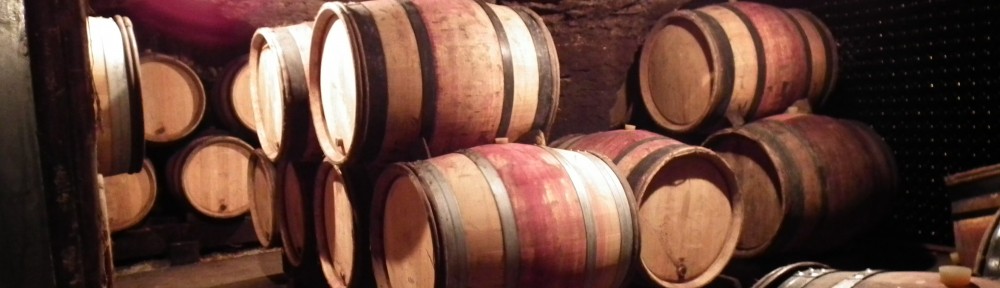
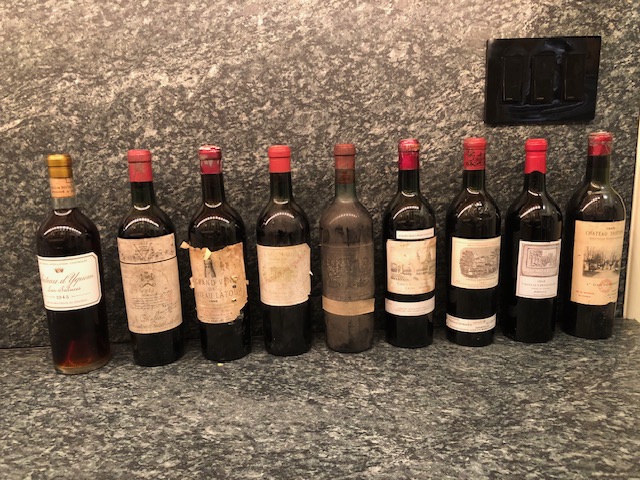


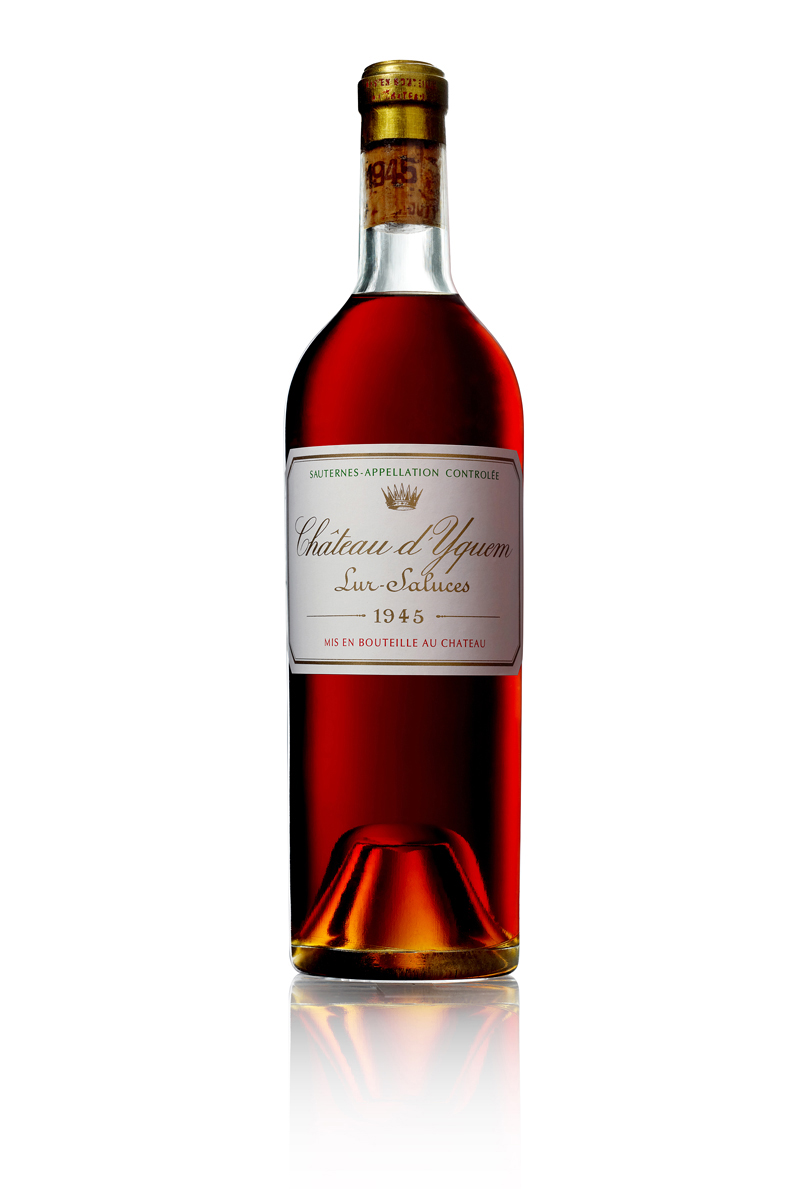
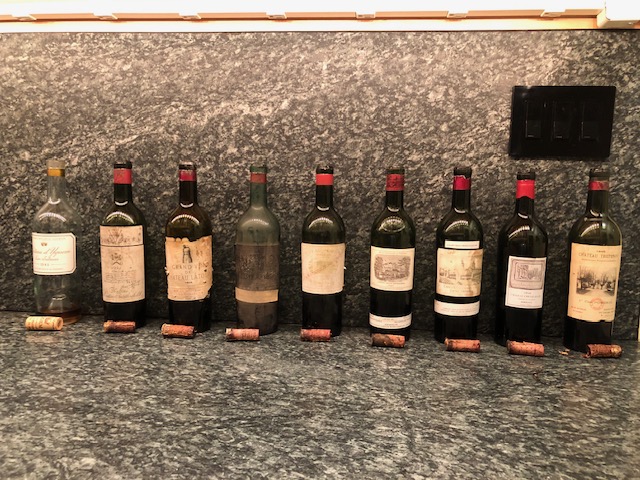


 Lewin on Wine