One of 300 Masters of Wine, Benjamin Lewin has published many books, including What Price Bordeaux?, Wine Myths and Reality, In Search of Pinot Noir, Claret & Cabs: the Story of Cabernet Sauvignon, and Wines of France. He is the author of many volumes in the series on classic wine regions, Guides to Wines and Top Vineyards. He also writes the myths and realities column for the World of Fine Wine and has written for Decanter magazine. His books have been shortlisted for the prestigious Andre Simon and Roederer wine book awards. The blog records interesting wines, people, and experiences encountered while writing his books.
The 2023 vintage is widely described as ‘classic,’ which has become a euphemism in Bordeaux for ‘not overblown.’ This is really not a fair description. If classic means vintages of the era before global warming, say the 70s, then the mark of left bank Bordeaux would be herbaceous notes of Cabernet Sauvignon, and the mark of the right bank might be a slightly vegetal note if Merlot did not achieve full ripeness. Neither description would be at all fair to the wines as revealed by the annual UGBC tasting of the latest vintage upon release. Usually the UGCB tasting has around 120 chateaux, but this year was reduced to under 100, whether because of perceptions that the vintage will be a hard sell or because of other economic factors, so it’s not quite so representative.
After adjusting to the fruit-forward style of recent hot vintages, it can be difficult to recalibrate. The general style is restrained compared with the exuberance of some recent hot vintages. Alcohol levels have backed off from the excesses of some recent vintages. (Some people define a classic vintage in Bordeaux as having less than 13.5% alcohol on the left bank and less than 14.5% on the right bank: in that case, a ‘modern’ Bordeaux cannot have much resemblance to wines of the era before climate change, but that’s another story for another day.) The best wines in 2023 are smooth and elegant. Some are virtually ready to drink on release, some may need a year or so, but there are very few that will benefit from long aging. “Classic’ shows itself more as a lack of real concentration rather than any reversion to herbaceousness. It’s a very nice vintage to enjoy for lunch in restaurants.
Pessac-Léognan reds are quite consistent, showing a smooth elegance that’s been missing from some recent vintages. The best reds at the UGCB were Domaine de Chevalier (a slightly muted version of its usual crystalline brilliance), Larrivet Haut Brion (smooth elegance with a classic touch of cigar box), Smith Haut Lafitte (with the move to a more ‘international’ style toned down but showing slightly on its chocolaty finish) and Carbonnieux (getting away from the brutal extraction of some recent hot vintages). Tannins are really mastered in the top wines, but at a lower level, the wines show a more angular character that may come to the fore and restrict enjoyment to the mid term. The whites are lighter in style than usual, for drinking over the next 4 years or so, with Domaine de Chevalier maintaining its crystalline structure, Larrivet Haut Brion already ready but complex, and Smith Haut Lafitte showing a clean, pure style with a savory tang at the end.
Margaux is the least successful appellation in the Médoc. It’s relatively uniform, with most chateaux showing relatively light black fruits followed by a touch of tart acidity on the finish with hints of dryness from the structure. The wines are tight at the present, with a sense of asperity. It’s unclear if and when the fruits will come forward. Margaux certainly does not show a very generous style in 2023. Prieuré-Lichine stands out for a smoother, rounder balance than most. Rauzan-Ségla has beautifully delineated black fruits, giving a sense of precision, and is very approachable.
St. Julien shows a range from light and tight like Margaux to wines for which classic would be a fair description, in the sense that they show a more savory sense of balance. Beychevelle, Branaire Ducru, and St Pierre (which outclasses Gloria in this vintage) come over as virtually ready to start. This is not a vintage that shows off the forward international style, and both Lagrange and Léoville Poyferré have reverted to a more classic style with some overt evidence of structure. Talbot shows a clean, pure style that really speaks for St. Julien. Léoville Barton almost achieves its usual elegance, but still is a bit angular.
Pauillac is probably the most even and successful appellation in the Médoc, with a sense of smoothness, and is relatively full bodied for the vintage, if almost always stopping short of the usual plushness. There are few disappointments. D’Armailhac is one of the most refined (outshining Clerc Milon), and Duhart Milon shadows the style of Lafite, and is a standout for the vintage. Grand Puy Lacoste achieves its usual elegance, Lynch Bages achieves its usual smoothness, both in a lighter style. Pichon Baron and Pichon Lalande are both smooth and elegant.
Reduced numbers meant there weren’t really enough chateaux from St Estèphe to judge the appellation, but a certain hardness seems to come out in the wines.
St. Emilion is quite even, in spite of considerable problems with Merlot throughout the vintage, The wines are far from the caricature of forceful overblown forward fruits driven by high-alcohol Merlot. If there is not really a direct impression of Cabernet Franc, there is certainly an impression of greater restraint. The corollary is that the wines are (at least at this stage) a little monotonic in flavor spectrum. They should be nice restaurant wines over the next decade as they develop more flavor variety, although none is likely to achieve great longevity or complexity. The standout for its elegance is Valandraud, a far cry from its origins as a fruit-driven garage wine. Chateau Canon has made a very approachable wine. Canon La Gaffelière is very fine, with high Cabernet Franc making for a sense of precision, true to the usual sense of refinement of the chateau. Beauséjour-Bécot is smooth but nicely structured, and virtually ready now.
Reduced numbers made Pomerol hard to judge, but the wines are definitely much more restrained than has been usual in recent vintages. Some show a textured impression, perhaps because of lower fruit density, that seems a little rustic. On the limited showing at the UGCB, Pomerol was less successful than St. Emilion. One of the best is Chateau Beauregard, which shows a nicely restrained smooth style.
Sauternes and Barsac generally show mid-level botrytis, but two wines that stood out were Bastor-Lamontagne (unusually botrytic for the vintage) and Suduiraut (complex and varied on the palate with a relatively subtle impression).
2023 is an example of the progress made in viticulture and vinification. In the previous era, much of the crop, especially Merlot, would have been lost to mildew. Tannins would probably have been astringent. A relative success with Cabernet Franc explains why St. Emilion performed better than Pomerol. The left bank is less regular than the right bank.A lot depended on harvest date, as September started out rainy, and better wines were made by those who had the nerve to wait. At the end of the day, this may become a lovely vintage to drink in the relatively short term, but I view it as more in the modern style than ‘classic.’
Bordeaux was in terrible shape at the end of the Second World War. It had been occupied by the Germans, and cellars were destroyed or looted. Vineyards were in poor condition: the women had done their best to maintain them and harvest grapes during the war. But the summer of 1945 was glorious and harvest occurred in close to perfect conditions. A frost early in May had reduced yields and increased concentration. The wines proved to be the best vintage of the twentieth century. Its only rival might be 1961. It’s generally agreed that the Médoc was the star of both vintages. The rivals for the best wine of the century divide between Mouton Rothschild 1945 and Latour 1961.
Before the tasting
At a retrospective in New York to celebrate the 80th anniversary, the vibrancy of the wines was still evident. Opening with Trotanoy, the wine still seemed fresh with lively fruits, well rounded, and just a touch of the tertiary character of old Merlot. It did not fade at all in the glass, even over an hour. Its elegance might be viewed as a contrast with the sheer power of today’s Pomerols.
The Berry Bros bottling of Cheval Blanc followed. It’s well known that Cheval had problems with over-heating in the vats in 1945, with ice thrown in to cool some, and volatile acidity sometimes developing. There was no trace of either problem with this bottle. Indeed, this is one of the rare instances in which I have usually found the Berry Bros bottling to be superior to the chateau bottling. The flavor spectrum of Cabernet Franc was marked, with that dry sense of tobacco dominating the finish. The wine held up well immediately after opening, but faded a bit after half an hour as the dryness of the finish took over.
The Berry Bros bottling of Cheval Blanc 1945
The next two flights were comparisons. Lafite Rothschild has been ethereal, with fragrant fruits floating in the atmosphere, but has begun to fade in the past couple of years. Although usually sturdier in most vintages, its neighbor Cos d’Estournel has sometimes shown something of the same fragrant elegance. On this occasion, the Cos started out if anything more fragrant and elegant than the Lafite, but first growth character showed as the wines developed in the glass and Cos developed an edge while Lafite floated along.
A similar development ensued with a comparison of Palmer and Chateau Margaux. Chateau Palmer started out with a touch more generosity, with rounder fruits, while Margaux seemed a little tight. Then as Palmer lost its sense of forward fruits, the structure of the Margaux loosened up and it become more elegant than the Palmer. The difference was a brilliant demonstration of the characters of their blends, heavily Cabernet Sauvignon for Margaux, more Merlot in Palmer.
Even after eighty years, Chateau Latour showed the power of Pauillac. Fruits are still relatively dense. Black fruit character and the pulling power of Cabernet Sauvignon remain evident. Some people preferred the Latour to the Mouton Rothschild, but I thought the Mouton pulled ahead for slightly livelier fruits, greater aromatics, and sense of freshness. It really is a timeless wine, or at least as timeless as wine can get.
The famous V for victory label of Mouton and a rather tattered label for Latour
We finished with Chateau d’Yquem, so dark it seemed almost black. All Sauternes become darker with age, of course, but they say at Yquem that the 1945 is one of the darkest of the vintages of the century, having taken leaps into greater darkness every decade. It was even more intense than I remember it from my previous tasting, twenty years ago. The balance of sweetness to acidity is fantastic, with a palate that’s mature but not old, and a huge range of flavors.
Chateau d’Yquem 1945 in all its glory
I suppose it’s undeniable that these wines are no longer at their peak, which in most cases may have been several decades ago, but they are a living demonstration of the greatness of old Bordeaux.
Detailed Tasting Notes
Trotanoy
Pungent notes of old Merlot show through sweet ripe fruits, still in balance with acidity. Not at all tired although tannins are resolved. Keeps going in the glass and does not tire at all.
Cheval Blanc
Strongly dominated by mature Cabernet Franc with notes of tobacco and tea on the finish. Quite dry at the end. Feels more like the seventies than the forties in terms of age. Fading a little in the glass as fruits begin to dry out. A faint touch of tannin at the end becomes bitter as the fruits fade.
Cos d’Estournel
Just a little less weighty than the Lafite, but a very similar impression of elegance. Sweetens in the glass after opening, and then becomes a little bitter as it develops, losing elegance compared to the Lafite.
Lafite Rothschild
Not as fragrant or aromatically uplifted as previous bottles. A little sturdier than Cos when it opened, with a touch of bitterness at the end. But lightens up in the glass, developing that infinitely fragrant elegance.
Margaux
Very refined, greater sense of precision in its black fruits than Palmer, very much Cabernet Sauvignon in fine structure and texture. Great finesse Fruits begin to dry out very slowly in the glass.
Palmer
At first the Merlot carries this forward with a sense of generosity. A little fleshier than Chateau Margaux to begin with, but becomes a touch bitter as fruits fade in the glass.
Latour
Ripe and generous and quite nutty on the finish. A touch of bitterness as wine develops in glass. Certainly full bodied, you can definitely see the power of Pauillac and Latour, but it’s lost the sheer gloss, the plushness, that it showed when younger.
Mouton Rothschild
A little nutty, a little more elegant than Latour. Something of the same sense of those fragrant layers of flavor, that ethereal character, of the Lafite, but weightier. There is now a little bitterness on the finish.
Chateau d’Yquem
Rich, unctuous, figgy, very intense, very viscous. Notes of caramel. Sweet but not overwhelming. Very much its own wine, its own style. Vastly more complex than a modern Sauternes.
Not a drop left after the tasting. All the wines were in excellent condition, with levels varying from well into neck to very top shoulder. All the corks were original, except for Yquem, which was recorked recently. The wines were mostly sourced from old English country house cellars.
Based on this week’s annual UGCB tasting in New York, the vintage 2022 most reminds me of recently is 2016. Palates show smooth black fruits, tannins are there in background but rarely assertive, and the wines are at least approachable enough to assess. In terms of short to mid-term consumption, 2022 may offer as much pleasure as 2016. I am not so sure 2022 has quite the same intensity, and in the long term (say after 2040) I suspect it will show a lighter, less impressive style. While I wait to see if aging follows the expected pattern, my verdict is very good indeed, but perhaps not great if the criterion for great is extended longevity. Most of the wines will be ready to start within the next few years; it is a rare wine that will need waiting into the 2030s. The single descriptor that appears most often in my tasting notes is ‘smooth.’
This is certainly a vintage in which the individual appellations show their individual characters. There is greater homogeneity within each appellation than usual. It’s really a textbook year for seeing the differences between appellations on the left bank, with elegance in Margaux, precision in St. Julien, plushness in Pauillac, and hardness in St. Estèphe. It is not so obvious on the right bank, where a greater sense of restraint than usual has brought St. Emilion and Pomerol closer together. One general change is that those chateaux that had adopted an overtly ‘modernistic’ style during the Parker years have now reverted to a more restrained approach.
Pessac-Léognan divides between the top wines showing the intensity of a great year, and those wines in a slightly lighter style that may be ready to start within a couple of years. In the first powerful category are Haut Bailly (a standout this year, it really feels like a first growth), Domaine de Chevalier (with its usual great sense of precision, already turning silky
Smooth, inclined towards elegance), Pape Clément (more elegant than powerful this vintage, just a little short of the intensity of a top vintage), and maybe Smith Haut Lafitte (not as overtly modernistic as past years, but still the most ‘modern’ wine in Pessac-Léognan). In the second class are Carbonnieux, Carmes Haut Brion, de Fieuzal, Larrivet Haut Brion, Latour-Martillac, and Malartic Lagravière, all showing significant elegance. Pessac-Léognan is where I have the most concern whether the wines have enough stuffing for the long term.
In the Médoc there is an unusually clear demonstration of increasing structure as you move from south to north. The Haut-Médoc, Listrac and Moulis aren’t as fruity as, say, the wines of Margaux or St. Julien; Poujeaux and Chasse-Spleene show the most fruits in a relatively structured style. Cantemerle and Camensac are somewhat oarallel to them.
Margaux starts with more obvious structure than Pessac-Léognan. The wines tend to elegance, many are unmistakably Margaux with that impression of refined elegance, but these sense of tannins, shown by some dryness on the finish, is a bit more evident than usual. The standouts are Lascombes, where Axel Heinz is well on the way to placing the chateau in its proper place among the second growths, and has achieved a great combination of fullness and elegance, already giving a complete impression, and Rauzan-Ségla, where the extremely fine palate gives a great impression of the silkiness of Margaux. More structured than usual, Prieuré-Lichine achieves great elegance, Kirwan shows its typically lighter elegance with a great sense of fruit purity. Desmirail’s elegance is typical of Margaux. Brane-Cantenac, Cantenac-Brown, Dauzac, Giscours, and Malescot St-Exupéry all show that sense of structure against the palate of smooth black fruits.
In St. Julien, the fullness of the vintage plays off against the classic precision of the commune. Wines vary from those where precision is the dominant influence to those which show a broader, fuller palate. Fruits tend to be a little fuller here than in Margaux, so the tannins are sometimes a bit better hidden, but the wines are definitely well structured. As always, Léoville Barton typifies the precision of St. Julien, and Langoa Barton is in the same style but less intense. Léoville Poyferré has a more overt sense of black fruits, but has backed off from the full modernistic style of recent years. Saint Pierre is fuller and sweeter than its stable mate Gloria. Beychevelle shows its classic tightness, a coiled spring waiting to unwind, and Talbot is a bit rounder than usual for the chateau.
Pauillac shows a yet more structured impression than St. Julien, not quite a throwback to classicism, but certainly a counterpoint to the fruits, with the sense of structure pushing the usual plushness of Pauillac more into the background. The standouts in Pauillac are the two Pichons. When I came to Pichon Baron, I thought it showed the most obvious typicity of the appellation; and then I came to Pichon Lalande, which is even plusher and fuller. Both are outstanding, with black fruits coming well through the structure. Lynch Bages goes for elegance rather than power in this vintage. Grand Puy Lacoste shows a great combination of plushness and elegance. Grand Puy Ducasse shows a new level of precision. D’Armailhac is fuller and more concentrated than its stable mate Clerc Milon, Duhart Milon is very fine. Haut Batailley shows a distinct advance in finesse under its new management (from Lynch Bages); Batailley is not quite so refined. There scarcely seems to be any chateau in Pauillac that hasn’t produced a wine this year immediately identifiable as coming from the commune.
St. Estèphe is always difficult to assess at the UGCB because the tasting never includes the top wines, but that typical hardness of St. Estèphe is evident across the board.
I often find the wines of the right bank too overtly fruity, Pomerol more so than St. Emilion, but whether because of conditions of the vintage, or because producers have backed off from the Parkerized style, this year there is a greater sense of restraint. You would not mistake the wines for the left bank as they are evidently more open, but the fruits are nicely matched by structure in the background.
St Emilion shows wines with elegance (this is not a phrase I use so often on the right bank). The standouts are Canon-La-Gaffelière, which has simply became more refined every year, and in 2022 shows a great sense of precision, and Valandraud, which shows a level of refinement that’s unusual for St. Emilion and is all but the antithesis of the in-your-face character of the garage wines. Pavie Macquin has a slightly fuller style, with a great foreboding of savory development to come. La Dominique really typifies the vintage with round black fruits making a smooth palate backed by supple tannins. Beau-Séjour Bécot, Dassault, Clos Fourtet, Grand Mayne, La Tour Figeac, Trottevielle all follow suit.
Pomerol is not as forward and obviously fruity as I associate with its usual state. Tannins are quite firm in the background, although never obtrusive, brining a greater sense of structure than usual, but without showing that sense of dryness on the finish displayed by the wines of the Médoc. Some Pomerols feel more like St. Emilion. With that sense of structure, they probably will not be ready much before the wines of the left bank. Le Gay comes closest to my image of Pomerol for its rich, forward black fruits. Petit Village is fuller and more typically Pomerol than its (new) stable mate, Beauregard, which offers more restraint and structure and seems backward. Clinet and Gazin are mid weight and firm, more restrained than the style I usually associate with the chateaux.
There are years when the whites of Bordeaux are so rich and oaky that they seem reminiscent of Burgundy, but 2022 tends towards crispness and even sometimes a touch of herbaceousness from Sauvignon Blanc. One of the more intense whites of the vintage, Pape Clément is the standout for richness, with no trace of herbaceousness. Domaine de Chevalier shows its usual great sense of precision. Moving more towards herbaceousness, Smith Haut Lafitte is just a little less refined. De Fieuzal, Larrivet Haut-Brion, Latour Martillac, and Malartic-Lagravière show palates of stewed citrus with that typical hint of herbaceousness in the background.
Sauternes did well this year, with wines showing nicely botrytized noses and palate following into marmalade, caramel, honey, and nuts. Suduiraut is the standout for its intensity, followed by Doisy-Védrines. Guiraud and La Tour Blanche are full on the palate but don’t show those savory overtones.
2022 is a more even vintage than usual, making it hard to go wrong.
Tasting Notes
Pessac-Léognan Blanc
Château Carbonnieux Nose mingles nuttiness with herbaceousness. Palate veers towards refreshing herbaceousness, quite noticeable retronasally. 89/100
Château Les Carmes Haut Brion Slightly lighter style, elegant but does it have enough stuffing for the long term? 90/100
Domaine de Chevalier Blanc Whiff of herbaceousness on nose is offset by sweet ripeness of fruits on palate. Very fine representation of the precision of the chateau and the style of Pessac-Léognan. 93/100
Château de Fieuzal Smooth and black, inclined to elegance. Questions is whether it has enough stuffing. It will be ready to drink quite soon. 90/100
Château Haut-Bailly Intensity of palate reminiscent of old vines cuvées. Tannins are supple, fruits are black, the intensity feels like a first growth. Tannins are not at all obtrusive, the fruits are much in front. Could almost start now. 94/100
Château Larrivet-Haut-Brion Smooth, inclined towards elegance, but the question is whether it has stuffing for longevity. Generally a modernistic impression. 90/100
Château Latour-Martillac Slightly attenuated impression. Smooth black fruits but not a lot of stuffing behind. Needs more presence on the palate. 90/100
Château Malartic Lagravière Smooth, elegant, black, not quite a lighter style, but not full force. Black fruits are supported by relatively light tannins. 90/100
Château Pape Clément Mid weight palate is well balanced between black fruits and supple tannins but possibly not the intensity of the very top vintages. Perhaps it’s just going for elegance. Not so overtly modern as in the past. 92/100
Château Smith Haut Lafitte Smooth and modern with faintly nutty notes and traces of vanillin. Supple tannins in the background. Somehow the modern style is not persuasive. This may be the most modernistic wine of the year. Very nice for short time, but what about longevity? 92/100
Pessac-Léognan
Château Carbonnieux Smooth palate with just a rasp from structure at the end. Very much Graves, cigar box showing on top of black fruits, Reminiscent of 2016, very promising. 91/100
Domaine de Chevalier Smooth and elegant, very typical. Black fruit palate supported by tannins that are already turning silky. Long finish shows black fruit s tending to blackcurrants. 93/100
Château de Fieuzal Sense of citrus fruits and herbaceousness on palate, but not as intense as I expected from the year. Nice balance with refreshing style of citrus fruits. 90/100
Château Larrivet-Haut-Brion Restrained, faint herbaceousness offsets citrus palate. Nice sense of balance and completeness. 91/100
Château Latour-Martillac Slightly herbaceous stewed citrus impressions but not as much concentration on palate as I would like. 90/100
Château Malartic Lagravière Stewed citrus fruits with sweet ripe impressions. Faint hints of nuttiness at end. 90/100
Château Pape Clément One of the more intense whites of the vintage. Sweet ripe stewed citrus, no trace of herbaceousness. Smooth and silky. 92/100
Château Smith Haut Lafitte Banc Smooth, fine, stewed citrus fruits on palate with no trace of herbaceousness. This is just a little less refined than Pape Clement. Smooth and silky on the finish. 92/100
Moulis
Château Chasse-Spleen Softer than Poujeaux but perhaps fruits are not quite as concentrated, although there is greater tannic structure with more dryness on the finish. There is just a touch of hardness on the finish. 90/100
Château Poujeaux Very typical result for chateau. Opens with black fruits that then become more restrained as firm tannins kick in. Touch of dryness at end indicates structure. Origin outside the great communes betrayed by just a touch of hardness. 90/100
Haut-Médoc
Château Cantemerle Nice sense of restraint against black fruit palate. Tannins are smooth in background. This is all but ready to drink. 90/100
Château de Camensac Faint hints of herbal character on nose. Nice balance on palate but not as concentrated as I expected for year. 90/100
Château Citran Black fruits subsumed by flatness of finish. Not much pizzazz. 89/100
Margaux
Château Brane Cantenac Faint sense of asperity to nose. Not quite barnyard but some herbal impressions faintly in background. Slightly attenuated quality. Tannins quite tight. 90/100
Château Cantenac Brown Mid weight palate, some dryness from tannins at end. The elegance of Margaux is pushed into the background. Structure needs to resolve a bit. 90/100
Château Dauzac Slightly herbal sense of austerity to nose. Sweet ripe fruits on palate, fruitiness quite overt. Wine a little fuller than usual for Margaux. 90/100
Château Desmirail Classic nose of black fruits, spices, and herbs. Restrained black fruits on palate. Very typical of Margaux with lovely herbal impressions on finish. Should be ready soon. 91/100
Château Giscours A little fuller as always, but nicely restrained on palate. Structure indicated by dryness on finish. Palate shows fruits in background but tannins not too overt either. Hard to judge. 90/100
Château Kirwan Here is the typical elegance of Margaux and the light touch of Kirwan. Great sense of fruit purity. Structure indicated by dryness on finish. 91/100
Château Lascombes Full force elegance if that’s not an oxymoron. Palate is relatively full for Margaux, with smooth black fruits and supple tannins. Already there is an impression of completeness. 94/100
Château Malescot St. Exupéry Smooth and very Margaux-ish. Structure shows non finish. Indeed this gives impression of well-structured wine. Black fruits show liquorish impressions with faint aromatics. Feels relatively modernistic. 92/100
Château Prieuré Lichine Smooth, elegant, very Margaux-ish, structure indicated by dryness at end. Elegant black fruits with tannins really drying finish. More structured than usual. 91/100
Château Rauzan-Ségla Very fine, very elegant, really epitomizes Margaux. Smooth and silkier than most Margaux chateaux this year. Classic representation of chateau and appellation. 93/100
Château du Tertre Smooth, elegant, tannins well in background, some hints of smoke. Very nice, but not as intense as some chateaux this year. 90/100
St. Julien
Château Beychevelle This shows the classic tightness of young Beychevelle, with elegant fruits feeling very Cabernet Sauvignon-ish and a sense of taut structure on the finish. Dryness on the finish shows significant structural support. This is a very fine result in the traditional style of the chateau. 92/100
Château Branaire Ducru Smooth palate shows good sense of precision of St. Julien. Lovely black fruits fill the palate with just a touch of overt fruitiness at the end. 91/100
Château Gloria Nice sense of the precision of St. Julien. Fruits are a little tight, quite elegant, but I wonder if there is quite enough stuffing for longevity. 90/100
Château Gruaud Larose A little flat on the nose. Fine granular impression on palate, black fruits just a little muted at present. Should become a classic representation of the chateau showing the drier side of St. Julien. 92/100
Château Lagrange Smooth, elegant, good sense of St. Julien. The overly modernistic impression of recent years has all but gone. Just a faint touch of vanillin to remind of recent history. Tannins quite firm but not obtrusive. 91/100
Château Langoa Barton The usual fine impression of the Barton wines, but less presence on the palate than I expected in this vintage. Black fruits are supported by fine tannins, I would have liked just a little more intensity. 90/100
Château Léoville Barton As usual more intensity than Langoa. Smooth, elegant, greater sense of structure. Very fine tannins scarcely obtrude on the palate. Very much the Barton style. 92/100
Château Léoville Poyferré Overt sense of black fruits to nose and palate. Firm tannins with touch of dryness on finish. The modernistic style is not so evident as previously, but the palate is relatively full, you fill the vintage has filled it out more than usual. 92/100
Château Saint Pierre Fuller and sweeter than Gloria and also more sense of structure showing with the dryness of the finish. Less precise but broader than Gloria. 91/100
Château Talbot Relatively round impression for Talbot. Just a hint of tannic dryness at end. Firm impression on palate. Developing in a savory direction. 92/100
Pauillac
Château Batailley The fullness of Pauillac shows, not quite plush on the palate. The texture is not quite as fine as I would like. Structure needs to soften. 90/100
Château Clerc Milon Just a touch tight and restrained. Tannic structure shows as dryness on finish. A bit of a throwback considering the vintage. 91/100
Château d’Armailhac Fuller than Clerc Milon, greater fruit concentration, smooth tannic structure showing more as restraining influence than dryness on finish. 92/100
Château Duhart Milon A very fine impression, showing finesse over plushness, tannic structure just detectable by dryness on finish. Will mature to elegance rather than power. 92/100
Château Grand-Puy Ducasse Here is something of the plushness of Pauillac offset by a well structured character. This is very Pauillac and represents a distinct advance over previous years for the chateau. 92/100
Château Grand-Puy-Lacoste Smooth and elegant, very much the elegant style of the chateau, fine black fruits, supple tannins in background. Perhaps not as forceful as 2016. 92/100
Château Haut Batailley A distinct advance in finesse over the old style.. Fine black fruits supported by tannins that dry the finish. Quite structured in the classic tradition but the fruits behind the structure are evident. The closest to a vin de garde this vintage comes. 92/100
Château Lynch Bages Very fine, very elegant, smooth rather than plush. Finely textured palate will move in savory direction as it ages. 94/100
Château Lynch Moussas Fine structure feels more like St Julien. Quite an elegant impression. Structure imposes restraint rather than dryness on finish. Very good for the chateau. 90/100
Château Pichon Baron Perhaps the most classic representation of Pauillac in the vintage. Round black fruits are almost plush with very smooth supple tannins. A top result for the chateau and the vintage. May become chocolaty as it ages. 94/100
Château Pichon Longueville Comtesse de Lalande Plusher and fuller even than Baron. Tannins show firmness on finish. Lovely black fruits just coming through the structure. Very typical Pauillac. 95/100
St. Estèphe
Château Cos Labory Here is the hardness of St Estèphe, not really dryness on the finish, just a little hard, flattening the impression of the underlying black fruits. Just needs time. 90/100
Château Phélan Ségur Quite smooth for the chateau and for St Estèphe. Structure shows at the end but I expect this to soften in 4-6 years. 90/100
St. Emilion
Château Beau-Séjour Bécot Smooth, round, and fruity. Tannins well in the background are supple. Touch of overt fruitiness reveals Merlot. Close to approachable. 90/100
Château Canon La Gaffelière Really shows breed because it not only has the round black fruits of the vintage with supple tannins but also an impression of precision and elegance. This is very fine. 94/100
Château Dassault Smooth, round, soft black fruits, supple tannins, quite an elegant impression for St. Emilion. Maybe I would like a touch more presence on the palate. Very approachable. 92/100
Château La Dominique This wine really typifies the style of Grand Cru Classés this vintage. Soft, round, black fruits are relatively forward, but there is a touch more tannic presence, although supple, than some. Very good result, 91/100
Clos Fourtet A little more restrained than most this year. Good balance between black fruits and unobtrusive structure. Hints of coffee. 91/100
Château Grand Mayne Typical for year, black fruits at front, supple structure behind, but not quite enough pizzazz on palate. 90/100
Château Pavie Macquin Right on form. Palate shows firm black fruits, slightly nutty in the background. Nice sense of savory development to come. Very well balanced. A proper wine. 92/100
Château La Tour Figeac Typical if not at the top rank. Not exactly attenuated, but not as much presence as I would like on palate. Just a touch of firmness from structure at end. 90/100
Château Trottevieille Slightly flat on the palate compared with the more obviously fruity chateaux of this vintage. Tannic structure is not obtrusive but seems to be responsible for flattening the palate a bit. 90/100
Château Valandraud Very fine result showing a level of refinement that’s unusual for St. Emilion. Palate has finely textured black fruits, tannins in background. I don’t often say this in St. Emilion, but the overall impression is elegance. It is a complete contrast with the reputation of garage wines. 93/100
Pomerol
Château Beauregard Seems restrained for Pomerol. Black fruits segue into firm finish with some elegance. Feels more like St Emilion or even left bank compared to usual lushness of Pomerol. Structured enough to need time. 91/100
Château La Cabanne Soft, a bit forward, quite Pomerol-ish, but firm tannins in background. 90/100
Château Clinet Mid weight black fruits. More restrained than I usually associate with the chateau. Firm tannins in background. 90/100
Château Le Gay This is one of the few wines of the vintage that taste like my image of Pomerol. Forward, fruity, and black on palate, although tannins are firm in background. 90/100
Château Gazin Quite a firm impression on the palate. Black fruits more in the background than most, tannins quite firm. Feels surprisingly like St. Emilion. 90/100
Château Petit Village Fuller and more typically Pomerol than Beauregard, but even so there is more sense of structure than I usually associate with Pomerol. Black fruit palate has firm tannins in background. 92/100
Sauternes
Château Doisy-Védrines Botrytis on nose, sweet on palate, but not too sweet, you can see the flavor variety coming through with citrus, marmalade, and nuts. Lingers on the finish. 93/100
Château Guiraud Full on the palate, botrytis showing on nose and palate, with honey, nuts, and marmalade. Sweetness is just a touch overt. 93/100
Château Suduiraut Nose is redolent with botrytis, honey, marmalade, stewed citrus. Viscous palate has great concentration, long finish with hints of bitterness. This is a top result. 95/100
Château La Tour Blanche Sweet palate with notes of botrytis but some bitterness on top of honey, nuts, and marmalade, but no savory contrast. 91/100
Given the attitude of the medical profession towarsd alcohol, the Royal College of Nursing seemed an unlikely location for a tasting in London of top Rieslings from the 2023 vintage in Germany, as well as some cuvées of Chardonnay and Pinot Noir, but Sebastian Thomas of Howard Ripley who organized the event said to me, “well, you are spitting, not drinking.”
The tasting showcased dry wines, mostly Grosses Gewächs. This was an exceptionally difficult year as the growing season was marked by alternating heat and cold, and drought, rain, and hail. The best Rieslings are a wonderful throwback to a cooler era, bright, fresh, and linear.
I have a persistent problem with Grosses Gewächs, which is that the wines often are not really dry enough. The international standard for dry wine is less than 4g residual sugar per liter, but European regulations allow a wine to be labeled dry with up to 9g/liter sugar if it has high enough acidity. In my view, this is a mistake.
At less than 4g sugar, virtually no one can taste sweetness. Perception of sweetness becomes subjective at higher levels of residual sugar as not everyone perceives the balance of sugar to acidity the same way. I find that I can sense sweetness more often than not in Grosses Gewächs, which has mightily discouraged me from buying the wines.
I understand the argument, that if sugar is completely excluded the wines can have such piercing acidity as to be oppressive. But perhaps there should be two categories of supposedly dry wines: Absolutely Dry with less than 4g sugar, and Potentially Dry, with 4-9g sugar and appropriately high acidity.
The 2023 vintage is different (especially compareed with the trio of warm vintages, 2018, 2019, and 2020). All the wines seem absolutely dry, without any of the muddy suspicions of residual sugar of recent warm vintages. Acidity was certainly up there; if any of the wines were actually over 4g sugar, the acidity was high enough to hide it in this vintage. The style of the vintage tends towards crisp, but most of the wines are well rounded.
Tasting Notes
Weingut Peter Lauer Schonfels, (Fass 11), Grosses Gewächs: Fine, taut, citric, almost mineral, rounding up and becoming silky on the finish. Dry but close to the edge. 90 Drink- 2032 Kupp, (Fass 18), Grosses Gewächs: Shows more acidity than Schonfels, making it livelier, but the citric edge makes it less silky, if more penetrating, and making it the most obviously Saar-like. 90 Drink- 2033 Feils, (Fass 13), Grosses Gewächs: Most flavorful at this point of the trio of Schonfels, Kupp, and Feils, with flavor variety extending from citrus to stone. Greater depth moves this in the direction of the Mosel. 91 Drink- 2032 Maximin Grünhaus Herrenberg, Grosses Gewächs: Subtle nose has suggestions of citrus and stone fruits, crisp clean palate very much the Ruwer, the height of elegance. This is the one to start now. 91 Drink- 2032 Abtsberg, Grosses Gewächs: Higher acidity makes this more penetrating than Herrenberg, less approachable now but likely to have greater longevity. Citric flavors to the fore but good flavor variety developing. 91 Drink- 2032 Weingut Fritz Haag Juffer, Grosses Gewächs: Citric and stone impressions to nose follow through to palate, showing a (formerly) typical cool year in the Mosel. Very clean pure impression. 91 Drink- 2032 Juffer-Sonnenuhr, Grosses Gewächs: More penetrating acidity than Juffer gives a crisper impression with greater persistence on the finish. Very much the same style as Juffer, but more intense. 92 Drink- 2034 Paulinshofberg, Grosses Gewächs: Smoother and rounder than Juffer or Juffer Brauneberger but less intensity and more obvious without quite the same sense of purity. 90 Drink- 2032 Weingut Schloss Lieser Goldtröpfchen, Grosses Gewächs: Subtle, elegant nose leads into citric-tinged palate with touch of asperity at end. Seems rather undeveloped now, wait a year or so for flavor variety to emerge. 90 Drink- 2032 Wehlener Sonnenuhr, Grosses Gewächs: Smoother than Goldtröpfchen, silky palate shows citrus with hints of stone fruits, more elegant. 91 Drink- 2032 Niederberg Helden, Grosses Gewächs: As always, the least interesting of Schloss Lieser’s cuvées, with less flavor variety, not as smooth on the palate, a touch of asperity at the end. 89 Drink- 2032 Weingut Clemens Busch Marienburg, Grosses Gewächs: Quite approachable for young Clemens Busch, citric impressions followed by some herbal notes, leading into a slight bitterness on the finish. 90 Drink- 2032 Marienburg, (Rothenpfad), Grosses Gewächs: Rothenpfad is smoother and rounder than the generic Marienburg, less obvious, you might even say a little restrained by comparison at this point, greater flavor variety already beginning to show. 91 Drink- 2034 Marienburg, (Falkenlay), Grosses Gewächs: Rounder than Marienburg or Rothenpfad, greater weight on the palate, a faint bitterness, not exactly more viscous but certainly an impression of greater presence. 92 Drink- 2034 Weingut Heymann-Löwenstein Kirchberg, Grosses Gewäch: Penetrating acidity leads into herbal impressions which are broadening into flavor variety and persist retronasally. This is very much its own style. 90 Drink- 2032 Röttgen, Grosses Gewächs: More of a mainstream impression than Kirchberg, with similar acidity but less over herbal impressions, and the palate showing greater depth. 91 Drink- 2033 Weingut Schäfer-Fröhlich Stromberg, Grosses Gewächs: Palate opens with really penetrating acidity, for a moment it is hard to get beyond it, than some more savory notes show on the finish. Quite citric and undeveloped, with notes of bitter lemon, this really needs time. 90 Drink- 2032 Felseneck, Grosses Gewächs: Penetrating acidity, citric and some savory impressions, but just a little broader and more approachable than Stromberg. 90 Drink- 2032 Weingut Dönnhoff Dellchen, Grosses Gewächs: Very much the Donnhoff style, crisp, clean, pure, completely dry, lovely fruits are still largely in the background, needs time to develop. 92 Drink- 2034 Hermannshöhle, Grosses Gewächs: A little broader than Dellchen, lovely fruits still in the background, citrus to the fore but acidity not quite so obvious, stone fruits farther back. 92 Drink- 2034 Weingut Wagner-Stempel Höllberg, Grosses Gewächs: Restrained slightly citric nose leading into some herbal impressions. Nice depth to palate with fresh acidity. 90 Drink- 2032 Heerkretz, Grosses Gewächs: Similar citric and herbal impressions to Höllberg but greater depth to the fruits pushing the acidity back a bit and making this more approachable. 91 Drink- 2032 Weingut Fritz Ekkehard Huff Orbel: Citric acidity at the front but nicely rounded behind. The overall crisp impression of the vintage is softened by the fruits. 90 Drink- 2030 Schloss Schwabsburg, (Rabentum): A softer less obviously citric impression than Orbel, nice weight to the fruits, a little bitterness at the end, actually less elegant than Orbel. 90 Drink- 2030 Pettenthal: The roundest and softest of the Huff trio of Orbel, Nierstein, and Pettenthal. The elegance makes this more like the Mosel or Nahe, but it is still quite citric and a little bitter at the end. Less presence than Nierstein. 90 Drink- 2030 Kühling-Gillot Hipping, Grosses Gewächs: Steely mineral impressions to nose follow to citric palate with smoky finish. Acidity nicely balanced by fruits. 91 Drink- 2032 Pettenthal, Grosses Gewächs: More depth and roundness than Hipping with minerality showing on finish as gunflint. This has full-fledged minerality compared to the hints in Hipping. 92 Drink- 2034 Weingut Knewitz Goldberg: Some variety to the nose, nicely balanced citric impressions to palate, followed by some impressions of rounded fruits, bringing a softer finish. 90 Drink- 2032 Hundertgulden, Grosses Gewächs: A little deeper and rounder than Goldberg (difference between Grosses and Erstes Gewächs?), some savory notes showing on the finish give greater complexity. 91 Drink- 2034 Steinacker , Grosses Gewächs: Some savory mineral impressions to nose. Palate of Steinacker is distinctly more mineral-based compared to Goldberg or Hundertgulden, marking a significant difference in style. 92 Drink- 2034 Battenfeld-Spanier Frauenberg, Grosses Gewächs: Intimations of minerality on citrus palate, similar style to Kühling-Gillot but just a touch less intense. Some bitterness at end. 90 Drink- 2034 Weingut Wittmann Aulerde, Grosses Gewächs: Spicy impressions to nose follow to palate and from the cinnamon you might think there was oak. Persists to finish. 89 Drink- 2030 Kirchspiel, Grosses Gewächs: Cleaner purer impression than Aurlele with just faint hints of spice, but still a distinctly different style from, say, Mosel or Nahe. 90 Drink- 2030 Morstein, Grosses Gewächs: Crisp acidity, pure clean palate, a bit citric at the end makes this a little monotonic. I would say the vintage was not such a success for Wittmann. 90 Drink- 2030 Weingut Georg Mosbacher Ungeheuer, Grosses Gewächs: Faintly mineral impression on nose lead into pleasantly citric palate with a little citric bite at end. Clean citric impression but needs time to develop flavor variety. 90 Drink- 2030 Jesuitengarten, Grosses Gewächs: More citric bite to palate than Ungeheuer, fruits behind haven’t really emerged yet, some impressions of spice at the end, but overall more impressions of complexity than Ungeheuer. 91 Drink- 2030 2022 Vintage Weingut Peter Jakob Kühn Doosberg, Grosses Gewächs: Penetrating acidity makes this eel more like Mosel but the weight on the palate identifies Rheingau. This is somewhat crisper than Peter Jakob Kühn’s usual style and is a marker for the style of the vintage. 90 Drink- 2030 Sankt Nickolaus, Grosses Gewächs: Similar impressions of minerality to Doosberg but rounder and deeper on the palate. Still on the mineral side, but truer to the Rheingau. 90 Drink- 2030
Every time I visit Chateau Lascombes, there is a different story about amibitions for the wine. Finally there is one with which I am in complete sympathy. Château Lascombes is one of the largest classified growths in the Médoc, and either the largest or second-largest in Margaux (Giscours being the competitor for size). With more than 100 ha of vineyards, it is not surprising it should have a checkered history.
Very highly rated in the 1855 classification, it was only just behind Mouton Rothschild. A revolving series of proprietors presided over a continuous decline, until the château was on the verge of extinction when it was rescued by a syndicate headed by Alexis Lichine in 1951, but Lichine was never able to bring it to real second growth status. It was sold to Bass Charrington in 1971, and although nominally there was more investment, it remained a perennial under-achiever. In 2001 it was acquired by Colony Capital, an American pension fund group for €50 million; another €50 million was invested over the next decade, before it was sold for €200 million in 2011 to MACSF, a French pension fund group. Then in 2022 it was sold to Gaylon Lawrence, a Tennessee billionaire who owns several wineries in Napa Valley. It was certainly a surprise when Axel Heinz, winemaker at Ornellaia in Bolgheri since 2005, was appointed to run the château in 2023.
It was hard to come to grips with the true character of Lascombes. The change in style after Colony Capital took over was been as dramatic as any in Bordeaux. Tasted at the château a few years back, the 1995 and 2005 seemed like night and day. The 1995 was light without much concentration; the rich and powerful 2005 seemed like one of the “international” styles in the Médoc.
The mandate now is to find and restore the true character of Lascombes. “The new intention is to bring it to the level of a great second growth. At this level there is not much room for a style that is not to some extent linked to tradition. We need to find a style that represents a specific character of the estate,” says Axel Heinz. “We want Lascombes to be recognized as a great and unique expression of its terroir and Margaux. The first step is to make a Lascombes that represents Margaux. The next step is to define what makes Lascombes Lascombes.”
“Colony attempted to give Lascombes a new impulse in terms of quality. The stylistic choice was implemented very efficiently, following the style that was fashionable in the Robert Parker era. We want to get way from the style of high ripeness and high extraction and fleshy new oak. We want to be more refined and elegant.”
Lascombes was only 20 ha in 1855, with vineyards around the chateau and to its north. Today it has blocks in three areas, the extra areas being farther north and to the south. About 50 ha in the central core have the same character that was classified in 1855 (at that time Lascombes had parts of plots where it now owns all or more). The extra plots to the north are in Soussans and the new vineyards to the south came from the purchase
of Chateaux Martinens. The Grand Vin in future will come from the central core. “We want to define the key terroir for Lascombes and that should always prevail in the blend.” The proportions of Grand Vin and second wine will reverse, the aim being 40% of Grand Vin.
It’s become a perennial question in Bordeaux whether the second wine should be an alternative to the grand vin with its own identity, a baby version of it, or something completely different that is simple and approachable but lifted by the halo of the grand vin. What are the plans at Lascombes? “We want the second wine to have a defined personality. Approachability will be part of it, but first we want it to be a Margaux, silky and perfumed, in a style that allows early drinking, but not a simple wine, a serious one, with a different character from Lascombes. Even if it’s silky and charming, if it’s lacking its own character it won’t be enough.”
Axel blended the 2022 vintage and vinified the 2023 vintage. I tasted the second wine (Chevalier de Lascombes) and the Grand Vin. The wines taste like Margaux again!
On the lines of something completely different, ever since Axel arrived at Lascombes, given his record with the Masseto Merlot at Ornellaia, there have been rumors about the introduction of a varietal Merlot at Lascombes. “We have a fair amount of clay and limestone, it is arguably known to be great terroir for Merlot, but no one associates that with the Médoc,” Axel says. ”It is time for the Médoc to innovate. There should be room for something outside the norm of the Grand Vin and second wine. Maybe there should be some vineyard-designated plots, although it’s part of the DNA of the Médoc to make blended wine.” So watch this space.
Tasting of 2023 Samples
Chevalier de Lascombes Fruity nose shows mix of red and black fruits. Fruit impressions continue to very finely textured palate. Tannins are quite silky. Although this is quite approachable, it still has the classic reserve of Bordeaux. Some bitterness on the finish, and a touch of heat. This needs time for flavor variety to develop more than to resolve the tannins. You feel a slight lack of generosity (not at all surprising for young Margaux, especially in this vintage). 90 Drink 2028-2038
Château Lascombes
More of a black fruit nose than Chevalier de Lascombes and greater presence on the palate. Immediately showing as finer and smoother, it feels that it is so elegant it would (counter-intuitively) be possible to start it even sooner than the second wine. It is just so smooth and silky it has to be Margaux. There’s more aromatic lift on the palate than Chevalier, and it seems almost drinkable, although there is some bitter chocolate on the finish. Time is needed to develop flavor variety. 92 Drink 2029-2042
I’ve been visiting Pontet-Canet for almost 20 years. The château continues to look quite unchanged, but behind the façade there is as much change here as at any chateau in Bordeaux. On my first visit, Pontet-Canet was virtually the only chateau in Bordeaux to be trying biodynamics . On my next visit they had a horse to work the vineyards, pulling equipment that had been designed and constructed at Pontet-Canet. This year they have a new cuverie.
Chateau Pontet Canet
Château Pontet Canet was a pioneer in organic and biodynamic viticulture and continues to plough ahead, both literally and metaphorically. Vineyards are ploughed by a team of ten Percheron horses, and new stables have been constructed for them (in the style of the existing buildings: you feel you are going back to the 18th century when you visit.)
This has been a rotten year so far in Bordeaux (and for that matter, all over Northern France), not so much in terms of heat (although it has been relatively cool and not very sunny), but more for the constant mildew pressure. Mildew can spread like wildfire (to run the risk of Mixed Metaphor Disease), so it ‘s crucial to spray against it in a timely manner.
It’s an especially big issue for organic producers, who cannot use the steroid treatments of conventional viticulture. Copper is the treatment of choice, but the need to rely on a heavy metal has discouraged some producers from becoming organic. One chateau has suspended its plans to convert more of its vineyards to organic because they do not want to risk poisoning the soils; others may abandon organic viticulture this year.
Pontet Canet started biodynamics with 14 ha as an experiment in 2004, moved the whole estate to biodynamics in 2005, but then abandoned it in 2007 when they felt compelled to use conventional sprays against mildew to avoid losing the crop. It took another three years to get back to organic status. Régisseur Jean-Michel Comme, who was instrumental in committing to biodynamics, told me that if they had been biodynamic for longer at the time, the vineyards would have been better able to withstand the fungus. Mildew pressure may be just as great in 2024 as it was 2007, but the vineyards look healthy now.
The Percheron horses in their stable
Next to the stables is the tisanerie, a building dedicated to producing the biodynamic preparations. The chateau has designed all sorts of ingenious equipment for making the preparations. There’s a box full of cow horns that will be filled with manure, buried in the vineyard for 6 months, and then retrieved so the contents can be dissolved in water to make a spray that is applied to the vineyards. When a biodynamic vineyard is small, all this can be done by hand, but it’s a fair-sized operation to scale up for Pontet-Canet’s 80 ha, so they’ve built an apparatus for filling the cow horns automatically. Biodynamic preparations are made using ‘dynamized’ water, basically water that has been vigorously stirred, so there is a handsome series of waterfalls made out of stone that can be used to put the water through a vortex. The tisanerie has drawers full of dried preparations such as camomille or dandelion and has a wonderful smell like a very up-market tea room.
The dynamizing waterfall
The winery itself goes beyond biodynamics in its emphasis on local products. A new cuverie has been constructed for the coming vintage. It has a large number of egg-shaped wooden fermentation vats and tulip-shaped concrete vats, as well as the old conical vats and underground concrete vats. The concrete vats are made with sand that comes from Pontet Canet and they are painted with clay from Pontet Canet. Local has a very defined meaning here. There is no electricity in the cuveries, everything is natural. Destemming is completely manual (no machines because no electricity). Sorting is on a table entirely by hand. Alfred Tesseron says no machine can replace the human eye.
The new wooden vats
Some years ago, commenting on the increase in quality and purity, Jean-Michel Comme said, “We changed our state of mind regarding the quality of the wine and viticulture, we could almost produce 100% of great wine, it is just a matter of parcels.” That prediction came true after 2016, when Pontet-Canet stopped producing its second wine: running counter to the trend to produce more second wine and less grand vin, now there is only the grand vin. The amount of the second wine had been declining, and the Tesserons decided it did not make sense to have a separate label for such a small amount. (Now any lots that do not make the grand vin are sold off.) The approach at Pontet-Canet is truly sui-generis.
The red cuvées from Clos Rougeard are iconic as very possibly the definitive representation of pure Cabernet Franc (see https://wordpress.com/post/winespecific.com/2492). There has been no change in that position since the Foucault brothers sold Clos Rougeard in 2017 to the Bouygues (who own Château Montrose in Bordeaux). Jacques-Antoine Toublanc, who had been a consultant to the Foucault brothers, took over winemaking to maintain continuity, and then handed over to Cyril Chirouze in 2022. In addition to the three red cuvées, there is a single cuvée of white, which comes from Brézé, possibly the best site for white wine production in the Loire.
The wines of the Château de Brézé were so well known historically that they had their own description as Chenin de Brézé. An elevated site, sitting on a hill of tuffeau (local limestone), Brézé is dominated by the Château de Brézé, and when the AOC of Saumur-Champigny was established in 1957, its owner, Comte de Colbert, demanded that Brézé should have its own AOC because its terroir was so superior. Because of the poor quality of the wines—“an entire century of relatively terrible wines from one of the best sites in the Loire,” was one description—the demand was refused, and M. le Comte then declined to be included in Saumur-Champigny. As a result, the red wines as well as the whites are classified only as Saumur.
The chateau at Breze
Today’s best white wine from Brézé is no doubt Clos Rougeard’s, with great purity of fruits offering a wonderfully savory impression of Chenin Blanc, with a steely minerality that’s reminiscent of Puligny Montrachet when it is young.. It is almost as difficult to obtain as the top red, Le Bourg, as both come from plots where only about 1 ha is in production (Le Bourg was recently increased by purchase of an adjacent plot, but which is not yet in production).
Brézé has had more change of style than the reds. Until 2007, Brézé used to get close to 100% new oak. In 2007/2008 the Foucaults started to decrease the new oak, and today it is about one third. The wine ages for 1 year before it is bottled (a year before the reds). “With climate change, it is important to keep the fresh style of Brézé,” Cyril says.
Jacques-Antoine felt that Brézé had become too Burgundian in style and should return more to its roots in the Loire. “In red winemaking, we are following exactly the Foucault brothers, but for the whites the wine could be a little lactic. The brothers often weren’t ready to pick at the right time, and they used to pick late. Nady always said you should find everything from citrus to over-ripe in the Brézé. Some years it was too heavy for me. I’m not happy to make Burgundy, I want to get the typicity of Chenin, I want to get freshness,” Jacques-Antoine said.
As we started a tasting of 2019-2017 when I visited two years ago, Jacques-Antoine said ruefully, “Our tasting now is a bit like infanticide. At home, I open the wine a day ahead and put it in a decanter.” He added that because of an oversight, on one occasion a Brézé white was left open in the fridge for 3 weeks and was then even better. “It holds for 6 weeks, it goes off a little after 7 – but it’s not very practical for tasting.”
“The 2019 is typically what I would like to do every year, but it’s difficult. This is the new style, I would say,” Jacques-Antoine said as we tasted it. The 2019 Brézé showcases the acidic character of Chenin, with a sense of tension that is exceptional, but it’s difficult to achieve every year. By contrast, the 2018, from a much warmer year, is a sort of halfway house between the new fresher style and older, more Burgundian style.
Cyril feels that Brézé reflects the era. “With regards to the style of Brézé, I don’t think it is a stylistic choice. They used to wait to have a ripe style in a period when ripeness was difficult to get. It’s a natural evolution in terms of adapting to climate change to try to get something fresh. Any change is not due to the ownership, it is an adaptation to changing climatic conditions.”
The style of Brézé reflects conditions of the vintage. In the last years of the Foucault brothers, the 2015 showed Burgundian generosity from a warmer vintage (you might argue whether it was more like Puligny or more like Meursault, but that would be irrelevant because basically Brézé is Brézé); then the cooler vintage of 2016 produced a leaner, more savory style that is absolutely definitive of Chenin Blanc in the Loire. 2017 varies from making a linear impression if the wine is very cool, to a a broader impression if it is a little warmer. Now we have to wait and see how the vintages post-Foucault will evolve.
Tasting Notes of Brézé (from tastings at Clos Rougeard and elsewhere since 2022)
2023 (Barrel sample) Fresh Chenin nose offers some savory impressions. Acidity is quite crisp on the palate. There are some slight impressions of oak. The harvest was ‘classical’ (ie.,in med-September, not early) and this certainly feels like a cooler clinate, fresher vintage. “I think we are going back to a fresher style of Brezé if you compare it with 2022, 2020, or 2018,” Cyril says. There is a saline tang at the end, in fact more of a saline impression than I remember on any previous vintage of Brezé. 90 Drink 2028-2036
2019
Savory nose of Chenin followed by mineral notes. The wine is quite tight at present, and this is definitely a fresher style than we have seen in the past. Faintly nutty at the end. Overall the style has more tension than it used to. This is a very definite style of Chenin. 92 Drink -2032.
2018
Softer impression to nose than 2019 but overlaid with sense of minerality following to the palate. This vintage is a halfway house between the styles (very flavorful and full-bodied, and the new style (fresher with more sense of tension). There’s an underlying richness, and you can just see the new oak. A saline catch at the end accompanies sme sweet herbal impresisons, and the finish is moving in a savory direction. It shows a perfect balance between fruity and savory 93 Drink 2026-2036.
2017
Nose is relatively restrained. Palate balances between fruity and savory with a lively sense of acidity, and shows the general tightness of the vintage. At the moment this is showing a tendency towards the sourness Chenin Blanc can express in leaner years, and it seems the least successful of trio from 2019 to 2017. A faint overlay of minerality is less obvious than in 2019. 90 Drink -2032.
2016
Relatively tight for Breze. In this cooler vintage you can see the savory acidity of Chenin. Smoky herbal impressions develop on the finish with a honeyed sense of viscosity in the background and a faint impression of curry. This cooler vintage is more Loire-like, flanked by the more Burgundian vintages of 2015 and 2017. The first signs of development show in a fugitive whiff of tertiary notes on the nose, although the palate stays fresh. 92 Drink –2032
2015
Medium golden color suggsts some age. A strong whiff of aromatics as the bottle was opened. Now at its peak with the faintest notes of oxidation really adding complexity. Deep palate shows perfect balance, This vintage strikes me as more like great old white Bordeaux than Burgundy wih something resembling the waxiness of Sémillon, and subtle, savory notes almost reminiscent of the garrigue. Acidity is balanced, a pointer to Chenin Blanc in a blind tasting would be a developing albeit slight sense of nuttinesss. Good weight to the body but a really subtle impression on the palate, and hard to disentangle the various influences—savory versus fruity, nutty versus acidic. A great success for a vintage that might easily have become too rich in other hands. It is totally delicious. 94 Drink –2026.
2014
Age shows in some nutty notes and a faint cereal quality, also a little more indicative of Chenin Blanc than usual. Palate shows nuttiness from age adding to the usual minerality. Acidity comes out a bit more in the glass but is hidden by a sheen of viscosity. Very good, and excellent for the year, obviously not a top vintage, but the character of Bréze comes through. 90 Drink now.
2011
Color deepening, nose attractively herbal, giving savory impession, then quite mienral on palate, which is lean and linear with a touch of salinity. It is at its peak and completely delicious. Long saline aftertaste even has hints of caramel and honey. Very complex and a fantastic result for an indifferent vintage. 93 Drink –2025.
The first time I visited Clos Rougeard, the Foucault brothers were making the wine in the cellars under their house at Chacé. I had sent an email, and then another email, and then a fax, saying I would like visit, without any response, until one day the phone went and it was Nady Foucault at the other end, laughing so hard it was difficult to understand him, but saying “So you want to visit us…” We arrived a couple of weeks later to find the house shut and no one in sight except a neighbor sitting on this step on the other side of the street. He observed us with a malicious eye, and then volunteered, “They have all left to go to the vineyard.” We were a bit early, and then at the appointed time, they duly came back.
Clos Rougeard is by far the most famous name in the entire Loire Valley for red wine. Its three cuvées are the definitive expression of Cabernet Franc. The white, Brézé, is probably the best Chenin Blanc in the Loire. Brothers Nady and Charly Foucault ran it together since 1969, until Charly died in 2015. As the result of Charly’s death, the estate was sold in early 2017 to the Bouygues brothers (of the industrial Bouygues Group, who own Château Montrose in St. Estèphe). Jacques-Antoine Toublanc, who was a consultant to the brothers, came as winemaker to maintain continuity.
When I visited Clos Rougeard two years ago, Jacques-Antoine was working out of a trailer, and a splendid new building was still under construction. The building has now been completed, and Cyril Chirouze, who came from Moulin-à-Vent to take over later in 2022, is making the iconic wine.
The new winery at Clos Rougeard
The Foucault brothers bought the site in 2010, because the cellars under their house were too cramped. It had been used for large-scale production of sparkling wine, and they tried to adapt it for Clos Rougeard. After the Bouygues brothers, who after all are in construction, bought Clos Rougeard in 2017, they started to construct a completely new winery at the site. It was first used to produce the vintage in 2020.
With the appearance of a Greek temple, the new winery is very large, and makes you wonder if there might be plans to expand Clos Rougeard. (When the Bouygues bought Clos Rougeard it had 12 ha, now it has 15 ha.) The new plots include an extra hectare in Les Poyeux and an extra hectare in Le Bourg, but the grapes won’t be included in Clos Rougeard until the conversion to organic viticulture has been completed. ( Production has varied quite a bit lately, with 40,000 bottles in 2016, increasing to 60,000 bottles in 2018.) The first level underground has 17 tulip-shaped concrete vats—well, actually to my mind, they look like decapitated eggs. Each can ferment from 45 hl up, so each one can be used for a hectare. (Before these tanks were installed there was no temperature control.) There are 14 tanks for red and 3 tanks for white. There is neither pump over nor punch down. An elevator is used to take up to 50% of the juice up so it can be sprayed over the cap. Another level down are the original old cellars, extending over 1 km.
Cyril Chirouze with the new concrete tanks
The domain wine (known as Le Clos but not labeled as such) is a blend from 15 parcels, spread over four villages, extending over a distance of 6 km. Les Poyeux and Le Bourg are the cuvées from single vineyards. Le Bourg is more concentrated, but has limestone soil that keeps the roots moist so the wine always has freshness. With sandy soils, Poyeux is more elegant. “If you look at the Rougeard history, Bourg is very young. The first vintage was 1988. It was an experiment, it was a successful one, obviously. Real Rougeard lovers know Poyeux as the more historic cuvée,” Cyril says. “Because of the nature of the soil you will find that Les Poyeux is more impacted by the vintage than Le Bourg. We have less acidity than in Bourg and this is connected with the reaction of the place to drought. We are more scared about climate change for Poyeux than for Bourg.”
All the cuvées offer an unmistakable impression of pure Cabernet Franc. The domain wine is elegant and pure, Les Poyeux is the crystalline essence of Cabernet Franc, and Le Bourg is tighter with higher acidity and tannins, and needs more time. Cyril is really concerned to maintain the elegance of Clos Rougeard. On this visit, we tasted 2022 and 2023 from barriques. As we taste Poyeux, Cyril says, “2023 was not the most powerful vintage, we could have used more extraction, but we thought it was risky, we would have extracted some green stuff if we had done more pumping over. It’s a contrast with the massive ripeness of 2022.” Clos ages only in used barrels (which come from Poyeux or Bourg). Poyeux ages for two years in 1-2-year barriques. Le Bourg ages in 80% new barriques (sometimes, as in 2022, in 90% new), with a minority of 1-year barriques.
The old cellars underneath the new winery
“You are now comparing things that are not comparable,” Cyril says, as we move from tasting a barrel sample of 2023 Bourg to a sample of the 2022 vintage. “2022 could have been too ripe, 2023 could have been under ripe. But Bourg soil is like a sponge with its limestone soil. Both 2022 and 2023 will have good capacity for aging but for different reasons, 2023 for acidity, 2022 for its shoulders.” (And tasting the just-released 2018 from the first of a trio of hot vintages, you can see that Bourg really has a remarkable capacity to maintain freshness.)
The remarkable feature of Poyeux is the way that terrific sense of absolute black fruit purity comes through every vintage, whether it’s cooler or warmer, more powerful or more elegant, that core of purity is always there. Most vintages require at least a decade for the flavor profile to broaden out, but the wine is always silky and fresh.
Les Poyeux 2023 (Barrel sample) Fresh nose conveys impression of smooth, crystalline black fruits, with a mix of red and black inclined to cherries. “It is a gentle, elegant wine which is the classical style,” Cyril says. Great sense of fruit purity, hints of oak in the background; the wine is so approachable you feel you could already start to enjoy it. It will become increasingly silky as it ages. 90 Drink 2030-2040
Le Bourg 2023 (Barrel sample, 1-year barrique) Color is significantly darker than Poyeux. More generous fruits on the palate, more black than red. Also in elegant style, but with more presence on the palate. Very fine tannic structure, with oak showing only as touch of bitterness on finish (which should resolve with time). Very fine fruits are balanced by freshness of the vintage. 92 Drink 2028-2040
Les Poyeux 2022 (Barrel sample) Earthy nose comes close to animal overtones, a contrast with the ultra-pure sense of black fruits in 2023. The palate has that smoothness of the black fruits of ripe Cabernet Franc, with a coating of tobacco and chocolate, bringing granularity to the palate. That typical sense of purity emerges from the texture as the wine opens in the glass. 93 Drink 2032-205
Le Bourg 2022 (Barrel sample; new barrique) Much more powerful nose than 2023 vintage. Palate is quite oaky with earthy overtones. You have to look through bitterness from the oak (and tannic structure) on the finish to see the rich fruits underneath. Palate has black fruits with restrained sense of power; indeed, behind that stern first appearance there is a great density of fruit, supported b the underlying freshness. The structure will make this a long lived vintage. 94 Drink 2032-2044
Le Clos 2018 Smooth, not ready yet, tannins as always are very fine but there is some bitterness on the finish. But the finesse and sense of purity come right through. Some faint notes of roasted meat, almost animal, show on finish; freshness comes out at the end. 92 Drink 2028-2042
Les Poyeux 2018 More direct sense of black fruit purity than Clos, with typical impression of crystalline structure. The faint animal notes that were visible before release have now disappeared to leave a really pure, clean expression of black fruits on the palate, reinforced by the linearity of the finish. This is very much an expression of absolutely ripe Cabernet Franc. It needs time for the fruit flavor profile to broaden out, probably about a decade. 93 Drink 2028-2040
Le Bourg 2018 Nose blends black fruits with earthiness and some faint impressions of roasted meats. The main impression is just how complete it is. Black fruits are balanced by lovely freshness, already more varied in flavor and is more savory than Clos or Poyeux. Bourg really has a remarkable capacity to maintain freshness. The flavor variety has really come out in the past two years. 95 Drink 2030-2050
The Bouygues brothers did not buy Henri Rebourseau for its wines; they bought the domain for its vineyards. “This is both an old and a new domain,” says manager Bastien Giraud, who took over in 2023. The vines are old; but the approach is entirely new. (It’s a bit surprising given Rebourseau’s reputation as a perennial under-performer that the Bouygues haven’t changed the name.)
The domain was located in a gracious eighteenth century building set in 3 ha of gardens in the center of Gevrey Chambertin. Henri Rebourseau bought the property in 1919 to be the center of the family’s holdings. His descendants (the de Surrel family) continued to own the domain until they sold a majority share to the Bouygues brothers in 2018 (reputedly for €45 million). The family retained the house, and the Bouygues built a splendid new winery just at the entrance to the property.
The new winery was completed for the harvest in 2023. “The old winery was a ruin,” Bastien says. Stones are glued on to an aluminum frame so the structure can breathe. The interior fitments are all wood. It seems very large for a 13 ha domain: perhaps there are plans to expand the vineyard holdings? An anti-flood drainage system is being installed around the winery.
The ground floor is filled with new open-topped wooden vats for fermentation (they were actually covered when I visited, because the roof was leaking, and Bastien did not want rainwater in the new vats). Underneath are two levels of barrel cellars, one for even years, one for odd years. Upstairs there is gracious tasting room.
The domain has impressive holdings, with half in grand crus. There are 11 ha in Gevrey Chambertin, including 0.5 ha in Chambertin, more than 1 ha in Charmes Chambertin, 1 ha in Mazis Chambertin, and 0.3 ha in Clos de Bèze. The 7 ha of village Gevrey is unusually mostly in a large block, with a 5 ha plot extending directly from the house and running across to the D974. Outside Gevrey, there are 2 ha in Clos Vougeot. Altogether there are 10 cuvées from premier or grand crus; 40% of production is from premier or grand crus, and 60% is from village Gevrey.
Almost everything has changed here, from viticulture to vinification. Strangely for a domain with top holdings, harvesting was mechanical; now it is manual. Different plots were merged for a single vinification for each appellation: the new winery allows each plot to be vinified separately. The plot in Clos Vougeot, for example, is right in the middle of the clos, with quite varied soils; the different terroirs can now be vinified separately, and the wine may be improved by selling off the weaker lots instead of including them in the cuvée. Use of new oak was extensive, typically 70-100%, even for village wines, and the wines were highly extracted. Now extraction is much gentler and new oak has been cut back; the aim is around 30% for village wine, 40% for grand crus, and perhaps 50% for Chambertin or Clos de Bèze.
There’s significant investment in the best equipment: “the equipment when I got here was not the best,” Bastien says. A new destemmer has been purchased as well as a vibrating sorting table. (Bastien tried optical sorting in 2023, but says it does not wok very well with Pinot Noir because of the fragility of the grapes: “you send up selecting everything or nothing.”)
There are 3 cuvées of Gevrey Chambertin. The generic cuvée comes from 3-4 plots that are two small to make individual wines. The 5 ha plot at the winery is divided into two parts. The northern half, Brunelle, has gravelly terroir with lots of small stones. The southern half, Corbeaux, has a lot of clay.
The style of the 2022s (made before Bastien took over) is quite primary, starting with the communal Gevrey. Brunelle is calmer and more structured, but the first real sense of sophistication comes with Fonteney, the largest of Rebourseau’s premier crus. Going to the grand crus, there is greater aromatic lift in Charmes Chambertin, which definitely plays to elegance rather than power. Mazis Chambertin, where Rebourseau’s holding is about 10% of the cru, is not as charming, but is denser and more structured. More forward than the cuvées from the Gevrey area, the Clos Vougeot shows more flavor variety and complexity, with fruits pushing the tannins back, giving that impression of opulence of Vougeot; this feels the readiest to drink.
The Bouygues brothers own Château Montrose in Bordeaux and Clos Rougeard in the Loire. There is an interesting contrast with Henri Rebourseau. “At Clos Rougeard the objective was to keep the myth without the people (the Foucault brothers) who made it. Here (at Henri Rebourseau) we have to change the style,” Bastien says. This is now a domain to watch.
Tasting notes for 2022
Gevrey Chambertin Quite a purple color, youthful aromatics on the nose, with a touch of asperity. Sweet ripe fruits feel very primary, as though this were a barrel sample not long out of fermentation. Tannins are not obtrusive (especially considering this is Gevrey). The brightness of the wine makes it seem like a barrel sample. 89 Drink 2027-2035
Gevrey Chambertin, Brunelle 2022 This has something of the same primary character as the general Gevrey Chambertin, but is just a little bit calmer. It is not so bright, a little more structured and seems a fraction more advanced in its development. 89 Drink 2027-2035
Clos du Fonteney Same purple color as the general Gevrey Chambertins, but more reserved on the nose. This makes an altogether more sophisticated impression. Tannins in the background are firm but silky. This shows a youthful palate, all black fruits, inclined to cherries. It still has that rather primary character that marks the house style on release. 90 Drink 2028-2040
Charmes Chambertin Round and ripe and a little primary. There is more aromatic lift than in the premier crus. Good acid balance to the palate. Tannins are extremely fine and silky. This has an elegance that is reminiscent of Chambolle or Morey: it is grand cru in its extreme elegance rather than in its power. 93 Drink 2028-2040
Mazis Chambertin This is riper and denser than Charmes Chambertin with longer persistence. There are still some primary impressions. Tannins are firm but in the background with good grip on the palate. The impression is more structured than Charmes. Mazis is not as sleek as Charmes with t
“My great grandfather started the domain; he was a cooper and bought vineyards. After a few successions, I’m just a winemaker (since 1982). I started with 1.8 ha, now I have 4.5 ha. Today it is so difficult to find vineyards,” Denis Bachelet says.
Bachelet is something of a cult, enhanced by the small size of the domain; the wines are available only on allocation. When Denis took over the domain, it was just vines with no cellar or equipment, as his grandparents had retired in 1973. The vineyards consisted of Charmes Chambertin, village and premier cru Gevrey Chambertin, and a parcel of Bourgogne. Denis has bought further vineyards when he has had the chance, but the domain remains very small.
Denis Bachelet in his cellar
Identified only by a very discrete nameplate on the door, the domain occupies a building just off the D974, but the inside is larger than you might expect. Relatively expansive for a small domain, the cellars run all along under the building.
“When the weather is with us, we make 7 red and 1 white cuvées,” Denis says. The white is Bourgogne and there is also a red Burgogne. Côtes de Nuits Village comes from Brochon. From Gevrey Chambertin, there is village wine, two premier crus, Evocelles and Corbeaux, and Charmes Chambertin.
We tasted 2023s from barrel, although Denis feels this is the wrong time of the year: October or November would be appropriate. He is committed to biodynamics to the point of bottling only by the phase of the moon. The wines spend 16 months in barrique. All the wines were racked in April and they will be racked again only for bottling.
The Bourgogne Rouge comes from two plots totaling just over a half hectare, planted in 1977 and 1986; it ages in used barriques. Côte de Nuits Villages comes from 6 parcels of 50-70-year old vines from the top of the slope at Brochon. 2023 is the last year under this label: from 2024 the parcels will be classified as Fixin. The Bourgogne is positively juicy, and that sense of juiciness shows also in the Côte de Nuits Villages against a more structured background; then there is more overt structural support in Gevrey Chambertin.
Gevrey Chambertin is the largest cuvée, from 6 separate plots of 70-90-year old vines., aged with 20% new oak. Premier Cru Les Evocelles is only 0.17 ha, planted in 1960 at the top of the slope, and sees 60% new oak. Here the fruits are forward, rather than as overtly juicy in the Gevrey village, and show a lovely balance with the supporting structure. Although relatively approachable on release, the structure should support longevity. Dennis describes the general flavor spectrum of his wines as juicy black cherries, and says that his aim is “sucrosité [impressions of sweetness] without sugar.”
Les Corbeaux is just under a half hectare, comprising three parcels adjacent to Mazis Chambertin, planted in 1920 and 1961, and ages with 50% new oak. From a couple of parcels with about the same total area, Charmes Chambertin comes from the oldest vines of the domain, planted between 1907-1917; it uses 30-60% new oak depending on vintage. Corbeaux makes a more filigree impression than Evocelles, perhaps you might say more feminine. Charmes Chambertin is all black cherry fruits, incredibly smooth even in a barrel sample, supported by supple tannins.
The trend is for the wines to show increasing smoothness and sense of sophistication going from Bourgogne through Côte de Nuits Villages through Gevrey Chambertin to the premier crus. The cuvées show an underlying sense of fruitiness in the black spectrum and richness, with fruits most obvious at the start of the hierarchy, and the sense of structure increasing as you move to premier and grand crus. These are sophisticated wines, and that sense of sophistication increases going up the hierarchy.
Tasting Notes for 2023 Barrel Samples
Bourgogne Transparent impression, fresh red fruits make juicy impression. An unusually elegant style for Bourgogne AOP. 89 Drink 2028-2036
Côte de Nuits Villages This really shows Denis’s objective of achieving sucrositeé without sugar. Fresh nose shows black fruits. Round and juicy, it shows black fruits on the palate, with a much fuller impression than the Bourgogne. Tannins are rounder and more supple. It makes an altogether richer impression. 89 Drink 2027-2036
Gevrey Chambertin The juiciness and sense of viscosity or richness resembles the Côte de Nuits Villages but shows an increased sense of sophistication with a greater sense of structural support brought by lovely firm tannins. 92 Drink 2028-2040
Gevrey Chambertin, Les Evocelles The palate is marked by forward black fruits in a lovely balance with the supporting structure, where the tannins are firm but not at all obtrusive. This is a very fine example of Gevrey Chambertin premier cru in the modern style, meaning that it is relatively approachable on release but still has the structure behind the fruits to support longevity. 93 Drink 2028-2040
Gevrey Chambertin, Les Corbeaux Here the sense of black fruits is accompanied by a sense of spiciness on the nose. The palate makes a velvety impression, smoother than Evocelles, moving more towards a chocolate coating, with a sense of lightness of being where fruits are supported by lacy acidity. 93 Drink 2028-2040
Charmes Chambertin Hints of spice as well as black fruits. For a barrel sample, this is incredibly smooth. Tannins seem almost soft and are extremely supple. The palate is all smooth black cherry fruits. The balance is so smooth that it may even be ready to start before the premier crus. 95 Drink 2027-2042
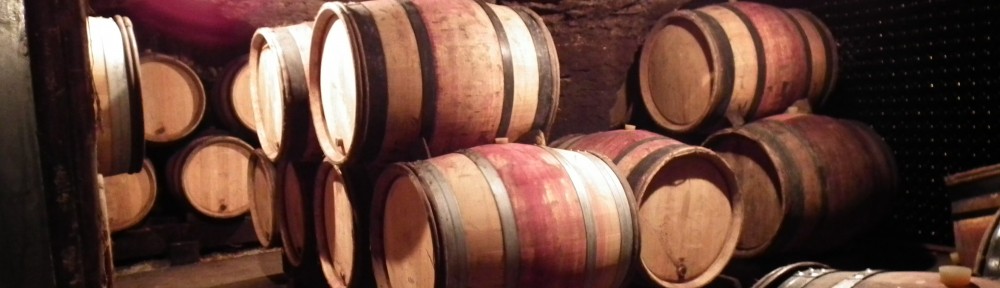

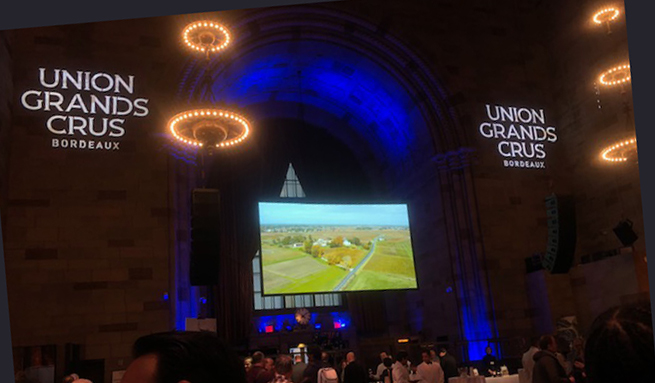
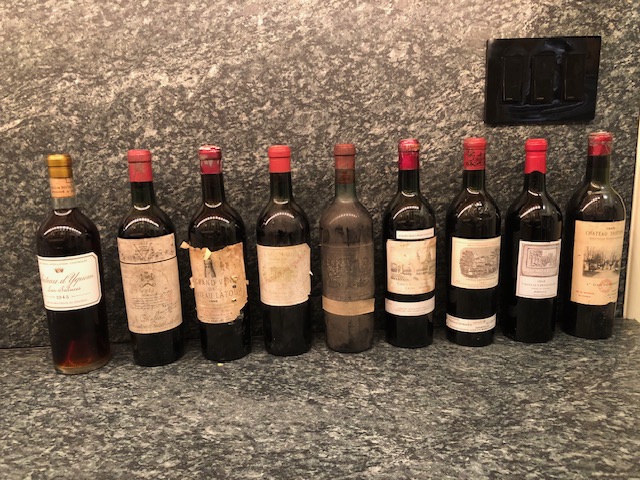


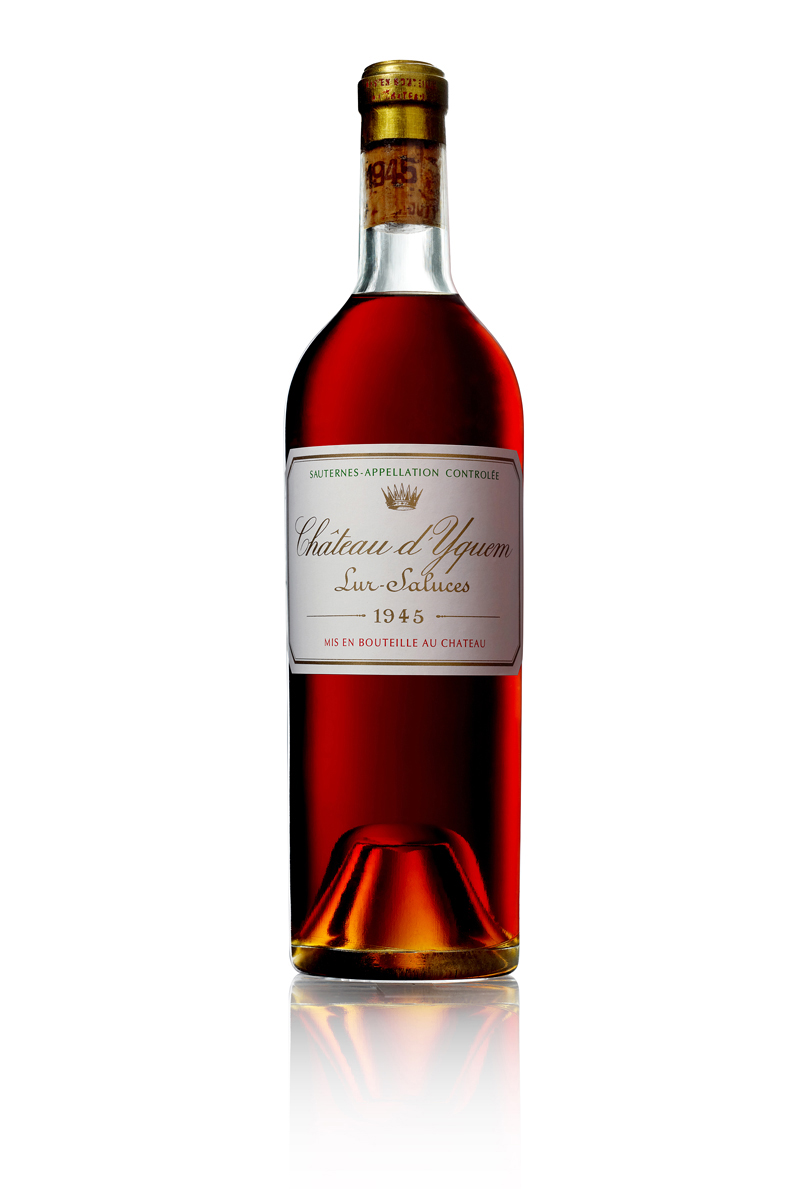
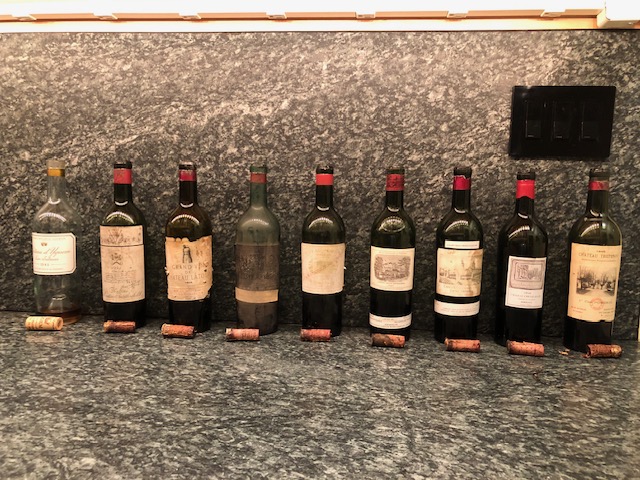

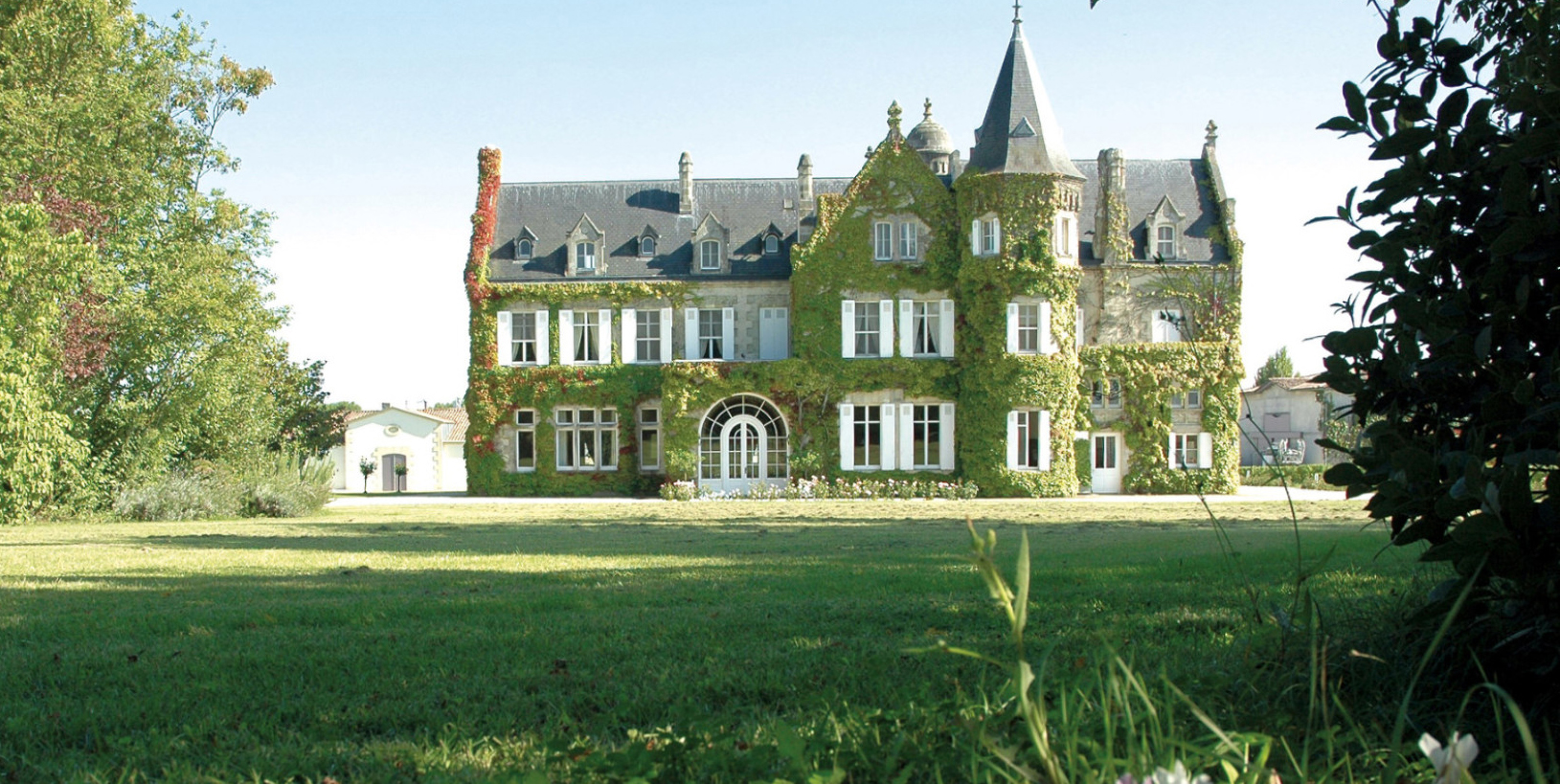
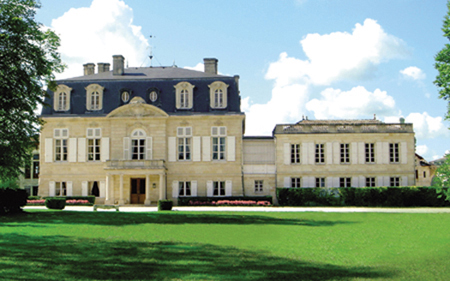


 Lewin on Wine