Full Force Biodynamics at Château Pontet Canet, and the Meaning of ‘Local’

I’ve been visiting Pontet-Canet for almost 20 years. The château continues to look quite unchanged, but behind the façade there is as much change here as at any chateau in Bordeaux. On my first visit, Pontet-Canet was virtually the only chateau in Bordeaux to be trying biodynamics . On my next visit they had a horse to work the vineyards, pulling equipment that had been designed and constructed at Pontet-Canet. This year they have a new cuverie.

Chateau Pontet Canet

Château Pontet Canet was a pioneer in organic and biodynamic viticulture and continues to plough ahead, both literally and metaphorically. Vineyards are ploughed by a team of ten Percheron horses, and new stables have been constructed for them (in the style of the existing buildings: you feel you are going back to the 18th century when you visit.)

This has been a rotten year so far in Bordeaux (and for that matter, all over Northern France), not so much in terms of heat (although it has been relatively cool and not very sunny), but more for the constant mildew pressure. Mildew can spread like wildfire (to run the risk of Mixed Metaphor Disease), so it ‘s crucial to spray against it in a timely manner.

It’s an especially big issue for organic producers, who cannot use the steroid treatments of conventional viticulture. Copper is the treatment of choice, but the need to rely on a heavy metal has discouraged some producers from becoming organic. One chateau has suspended its plans to convert more of its vineyards to organic because they do not want to risk poisoning the soils; others may abandon organic viticulture this year.

Pontet Canet started biodynamics with 14 ha as an experiment in 2004, moved the whole estate to biodynamics in 2005, but then abandoned it in 2007 when they felt compelled to use conventional sprays against mildew to avoid losing the crop. It took another three years to get back to organic status. Régisseur Jean-Michel Comme, who was instrumental in committing to biodynamics, told me that if they had been biodynamic for longer at the time, the vineyards would have been better able to withstand the fungus. Mildew pressure may be just as great in 2024 as it was 2007, but the vineyards look healthy now.

The Percheron horses in their stable

Next to the stables is the tisanerie, a building dedicated to producing the biodynamic preparations. The chateau has designed all sorts of ingenious equipment for making the preparations. There’s a box full of cow horns that will be filled with manure, buried in the vineyard for 6 months, and then retrieved so the contents can be dissolved in water to make a spray that is applied to the vineyards. When a biodynamic vineyard is small, all this can be done by hand, but it’s a fair-sized operation to scale up for Pontet-Canet’s 80 ha, so they’ve built an apparatus for filling the cow horns automatically. Biodynamic preparations are made using ‘dynamized’ water, basically water that has been vigorously stirred, so there is a handsome series of waterfalls made out of stone that can be used to put the water through a vortex. The tisanerie has drawers full of dried preparations such as camomille or dandelion and has a wonderful smell like a very up-market tea room.

The dynamizing waterfall

The winery itself goes beyond biodynamics in its emphasis on local products. A new cuverie has been constructed for the coming vintage. It has a large number of egg-shaped wooden fermentation vats and tulip-shaped concrete vats, as well as the old conical vats and underground concrete vats. The concrete vats are made with sand that comes from Pontet Canet and they are painted with clay from Pontet Canet. Local has a very defined meaning here. There is no electricity in the cuveries, everything is natural. Destemming is completely manual (no machines because no electricity). Sorting is on a table entirely by hand. Alfred Tesseron says no machine can replace the human eye.

The new wooden vats

Some years ago, commenting on the increase in quality and purity, Jean-Michel Comme said, “We changed our state of mind regarding the quality of the wine and viticulture, we could almost produce 100% of great wine, it is just a matter of parcels.” That prediction came true after 2016, when Pontet-Canet stopped producing its second wine: running counter to the trend to produce more second wine and less grand vin, now there is only the grand vin. The amount of the second wine had been declining, and the Tesserons decided it did not make sense to have a separate label for such a small amount. (Now any lots that do not make the grand vin are sold off.) The approach at Pontet-Canet is truly sui-generis.

The Best White Wine in the Loire? Tasting Brézé with Two Winemakers at Clos Rougeard

The red cuvées from Clos Rougeard are iconic as very possibly the definitive representation of pure Cabernet Franc (see https://wordpress.com/post/winespecific.com/2492). There has been no change in that position since the Foucault brothers sold Clos Rougeard in 2017 to the Bouygues (who own Château Montrose in Bordeaux). Jacques-Antoine Toublanc, who had been a consultant to the Foucault brothers, took over winemaking to maintain continuity, and then handed over to Cyril Chirouze in 2022. In addition to the three red cuvées, there is a single cuvée of white, which comes from Brézé, possibly the best site for white wine production  in the Loire.

The wines of the Château de Brézé were so well known historically that they had their own description as Chenin de Brézé. An elevated site, sitting on a hill of tuffeau (local limestone), Brézé is dominated by the Château de Brézé, and when the AOC of Saumur-Champigny was established in 1957, its owner, Comte de Colbert, demanded that Brézé should have its own AOC because its terroir was so superior. Because of the poor quality of the wines—“an entire century of relatively terrible wines from one of the best sites in the Loire,” was one description—the demand was refused, and M. le Comte then declined to be included in Saumur-Champigny. As a result, the red wines as well as the whites are classified only as Saumur.

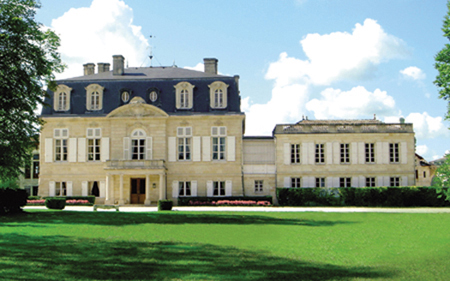
The chateau at Breze

Today’s best white wine from Brézé is no doubt Clos Rougeard’s, with great purity of fruits offering a wonderfully savory impression of Chenin Blanc, with a steely minerality that’s reminiscent of Puligny Montrachet when it is young.. It is almost as difficult to obtain as the top red, Le Bourg, as both come from plots where only about 1 ha is in production (Le Bourg was recently increased by purchase of an adjacent plot, but which is not yet in production).

Brézé has had more change of style than the reds. Until 2007, Brézé used to get close to 100% new oak. In 2007/2008 the Foucaults started to decrease the new oak, and today it is about one third. The wine ages for 1 year before it is bottled (a year before the reds). “With climate change, it is important to keep the fresh style of Brézé,” Cyril says. 

Jacques-Antoine felt that Brézé had become too Burgundian in style and should return more to its roots in the Loire. “In red winemaking, we are following exactly the Foucault brothers, but for the whites the wine could be a little lactic. The brothers often weren’t ready to pick at the right time, and they used to pick late. Nady always said you should find everything from citrus to over-ripe in the Brézé. Some years it was too heavy for me. I’m not happy to make Burgundy, I want to get the typicity of Chenin, I want to get freshness,” Jacques-Antoine said. 

As we started a tasting of 2019-2017 when I visited two years ago, Jacques-Antoine said ruefully, “Our tasting now is a bit like infanticide. At home, I open the wine a day ahead and put it in a decanter.” He added that because of an oversight, on one occasion  a Brézé white was left open in the fridge for 3 weeks and was then even better. “It holds for 6 weeks, it goes off a little after 7 – but it’s not very practical for tasting.”

“The 2019 is typically what I would like to do every year, but it’s difficult. This is the new style, I would say,”  Jacques-Antoine said as we tasted it. The 2019 Brézé showcases the acidic character of Chenin, with a sense of tension that is exceptional, but it’s difficult to achieve every year. By contrast, the 2018, from a much warmer year, is a sort of halfway house between the new fresher style and older, more Burgundian style.

Cyril feels that Brézé reflects the era. “With regards to the style of Brézé, I don’t think it is a stylistic choice. They used to wait to have a ripe style in a period when ripeness was difficult to get. It’s a natural evolution in terms of adapting to climate change to try to get something fresh. Any change is not due to the ownership, it is an adaptation to changing climatic conditions.”

The style of Brézé reflects conditions of the vintage. In the last years of the Foucault brothers, the 2015 showed Burgundian generosity from a warmer vintage (you might argue whether it was more like Puligny or more like Meursault, but that would be irrelevant because basically Brézé is Brézé); then the cooler vintage of 2016 produced a leaner, more savory style that is absolutely definitive of Chenin Blanc in the Loire. 2017 varies from making a linear impression if the wine is very cool, to a a broader impression if it is a little warmer. Now we have to wait and see how the vintages post-Foucault will evolve.

Tasting Notes of Brézé (from tastings at Clos Rougeard and elsewhere since 2022)

2023
(Barrel sample) Fresh Chenin nose offers some savory impressions. Acidity is quite crisp on the palate. There are some slight impressions of oak. The harvest was ‘classical’ (ie.,in med-September, not early) and this certainly feels like a cooler clinate, fresher vintage. “I think we are going back to a fresher style of Brezé if you compare it with 2022, 2020, or 2018,” Cyril says. There is a saline tang at the end, in fact more of a saline impression than I remember on any previous vintage of Brezé.   90 Drink 2028-2036

2019

Savory nose of Chenin followed by mineral notes. The wine is quite tight at present, and this is definitely a fresher style than we have seen in the past. Faintly nutty at the end. Overall the style has more tension than it used to. This is a very definite style of Chenin.    92 Drink -2032.

2018

Softer impression to nose than 2019 but overlaid with sense of minerality following to the palate. This vintage is a halfway house between the styles (very flavorful and full-bodied, and the new style (fresher with more sense of tension). There’s an underlying richness, and you can just see the new oak. A saline catch at the end accompanies sme sweet herbal impresisons, and the finish is moving in a savory direction. It shows a perfect balance between fruity and savory 93  Drink 2026-2036.

2017

Nose is relatively restrained. Palate balances between fruity and savory with a lively sense of acidity, and shows the general tightness of the vintage. At the moment this is showing a tendency towards the sourness Chenin Blanc can express in leaner years, and it seems the least successful of trio from 2019 to 2017. A faint overlay of minerality is less obvious than in 2019.    90 Drink -2032.

2016

Relatively tight for Breze. In this cooler vintage you can see the savory acidity of Chenin. Smoky herbal impressions develop on the finish with a honeyed sense of viscosity in the background and a faint impression of curry. This cooler vintage is more Loire-like, flanked by the more Burgundian vintages of 2015 and 2017. The first signs of development show in a fugitive whiff of tertiary notes on the nose, although the palate stays fresh. 92  Drink –2032

2015

Medium golden color suggsts some age. A strong whiff of aromatics as the bottle was opened. Now at its peak with the faintest notes of oxidation really adding complexity. Deep palate shows perfect balance, This vintage strikes me as more like great old white Bordeaux than Burgundy wih something resembling the waxiness of Sémillon, and subtle, savory notes almost reminiscent of the garrigue. Acidity is balanced, a pointer to Chenin Blanc in a blind tasting would be a developing albeit slight sense of nuttinesss. Good weight to the body but a really subtle impression on the palate, and hard to disentangle the various influences—savory versus fruity, nutty versus acidic. A great success for a vintage that might easily have become too rich in other hands. It is totally delicious. 94 Drink –2026.

2014

Age shows in some nutty notes and a faint cereal quality, also a little more indicative of Chenin Blanc than usual. Palate shows nuttiness from age adding to the usual minerality. Acidity comes out a bit more in the glass but is hidden by a sheen of viscosity. Very good, and excellent for the year, obviously not a top vintage, but the character of Bréze comes through. 90 Drink now.

2011

Color deepening, nose attractively herbal, giving savory impession, then quite mienral on palate, which is lean and linear with a touch of salinity. It is at its peak and completely delicious. Long saline aftertaste even has hints of caramel and honey. Very complex and a fantastic result for an indifferent vintage.  93 Drink –2025.

Tradition and Change at Clos Rougeard: Preview of 2022 and 2023

The first time I visited Clos Rougeard, the Foucault brothers were making the wine in the cellars under their house at Chacé. I had sent an email, and then another email, and then a fax, saying I would like visit, without any response, until one day the phone went and it was Nady Foucault at the other end, laughing so hard it was difficult to understand him, but saying “So you want to visit us…” We arrived a couple of weeks later to find the house shut and no one in sight except a neighbor sitting on this step on the other side of the street. He observed us with a malicious eye, and then volunteered, “They have all left to go to the vineyard.” We were a bit early, and then at the appointed time, they duly came back.

Clos Rougeard is by far the most famous name in the entire Loire Valley for red wine. Its three cuvées are the definitive expression of Cabernet Franc. The white, Brézé, is probably the best Chenin Blanc in the Loire. Brothers Nady and Charly Foucault ran it together since 1969, until Charly died in 2015. As the result of Charly’s death, the estate was sold in early 2017 to the Bouygues brothers (of the industrial Bouygues Group, who own Château Montrose in St. Estèphe). Jacques-Antoine Toublanc, who was a consultant to the brothers, came as winemaker to maintain continuity.

When I visited Clos Rougeard two years ago, Jacques-Antoine was working out of a trailer, and a splendid new building was still under construction. The building has now been completed, and Cyril Chirouze, who came from Moulin-à-Vent to take over later in 2022, is making the iconic wine.

The new winery at Clos Rougeard

The Foucault brothers bought the site in 2010, because the cellars under their house were too cramped. It had been used for large-scale production of sparkling wine, and they tried to adapt it for Clos Rougeard. After the Bouygues brothers, who after all are in construction, bought Clos Rougeard in 2017, they started to construct a completely new winery at the site. It was first used to produce the vintage in 2020.

With the appearance of a Greek temple, the new winery is very large, and makes you wonder if there might be plans to expand Clos Rougeard. (When the Bouygues bought Clos Rougeard it had 12 ha, now it has 15 ha.)  The new plots include an extra hectare in Les Poyeux and an extra hectare in Le Bourg, but the grapes won’t be included in Clos Rougeard until the conversion to organic viticulture has been completed. ( Production has varied quite a bit lately, with 40,000 bottles in 2016, increasing to 60,000 bottles in 2018.) The first level underground has 17 tulip-shaped concrete vats—well, actually to my mind, they look like decapitated eggs. Each can ferment from 45 hl up, so each one can be used for a hectare. (Before these tanks were installed there was no temperature control.) There are 14 tanks for red and 3 tanks for white. There is neither pump over nor punch down. An elevator is used to take up to 50% of the juice up so it can be sprayed over the cap. Another level down are the original old cellars, extending over 1 km.

Cyril Chirouze with the new concrete tanks

The domain wine (known as Le Clos but not labeled as such) is a blend from 15 parcels, spread over four villages, extending over a  distance of 6 km. Les Poyeux and Le Bourg are the cuvées from single vineyards. Le Bourg is more concentrated, but has limestone soil that keeps the roots moist so the wine always has freshness. With sandy soils, Poyeux is more elegant. “If you look at the Rougeard history, Bourg is very young. The first vintage was 1988. It was an experiment, it was a successful one, obviously. Real Rougeard lovers know Poyeux as the more historic cuvée,” Cyril says. “Because of the nature of the soil you will find that Les Poyeux is more impacted by the vintage than Le Bourg. We have less acidity than in Bourg and this is connected with the reaction of the place to drought. We are more scared about climate change for Poyeux than for Bourg.”

All the cuvées offer an unmistakable impression of pure Cabernet Franc. The domain wine is elegant and pure, Les Poyeux is the crystalline essence of Cabernet Franc, and Le Bourg is tighter with higher acidity and tannins, and needs more time. Cyril is really concerned to maintain the elegance of Clos Rougeard. On this visit, we tasted 2022 and 2023 from barriques. As we taste Poyeux, Cyril says, “2023 was not the most powerful vintage, we could have used more extraction, but we thought it was risky, we would have extracted some green stuff if we had done more pumping over. It’s a contrast with the massive ripeness of 2022.” Clos ages only in used barrels (which come from Poyeux or Bourg). Poyeux ages for two years in 1-2-year barriques.  Le Bourg ages in 80% new barriques (sometimes, as in 2022, in 90% new), with a minority of 1-year barriques.

The old cellars underneath the new winery

“You are now comparing things that are not comparable,” Cyril says, as we move from tasting a barrel sample of 2023 Bourg to a sample of the 2022 vintage. “2022 could have been too ripe, 2023 could have been under ripe. But Bourg soil is like a sponge with its limestone soil. Both 2022 and 2023 will have good capacity for aging but for different reasons, 2023 for acidity, 2022 for its shoulders.” (And tasting the just-released 2018 from the first of a trio of hot vintages, you can see that Bourg really has a remarkable capacity to maintain freshness.)

The remarkable feature of Poyeux is the way that terrific sense of absolute black fruit purity comes through every vintage, whether it’s cooler  or warmer, more powerful or more elegant, that core of purity is always there. Most vintages require at least a decade for the flavor profile to broaden out, but the wine is always silky and fresh.

Tomorrow: the white at Clos Rougeard (https://wordpress.com/post/winespecific.com/2492).

Tastings of Clos Rougeard Saumur-Champigny

Les Poyeux 2023 
(Barrel sample) Fresh nose conveys impression of smooth, crystalline black fruits, with a mix of red and black inclined to cherries. “It is a gentle, elegant wine which is the classical style,” Cyril says. Great sense of fruit purity, hints of oak in the background; the wine is so approachable you feel you could already start to enjoy it. It will become increasingly silky as it ages.    90 Drink 2030-2040

Le Bourg 2023 
(Barrel sample, 1-year barrique) Color is significantly darker than Poyeux. More generous fruits on the palate, more black than red. Also in elegant style, but with more presence on the palate. Very fine tannic structure, with oak showing only as touch of bitterness on finish (which should resolve with time). Very fine fruits are balanced by freshness of the vintage.    92 Drink 2028-2040

Les Poyeux 2022 
(Barrel sample) Earthy nose comes close to animal overtones, a contrast with the ultra-pure sense of black fruits in 2023. The palate has that smoothness of the black fruits of ripe Cabernet Franc, with a coating of tobacco and chocolate, bringing granularity to the palate. That typical sense of purity emerges from the texture as the wine opens in the glass.    93 Drink 2032-205

Le Bourg 2022 
(Barrel sample; new barrique) Much more powerful nose than 2023 vintage. Palate is quite oaky with earthy overtones. You have to look through bitterness from the oak (and tannic structure) on the finish to see the rich fruits underneath. Palate has black fruits with restrained sense of power; indeed, behind that stern first appearance there is a great density of fruit, supported b the underlying freshness. The structure will make this a long lived vintage.    94 Drink 2032-2044

Le Clos 2018 
Smooth, not ready yet, tannins as always are very fine but there is some bitterness on the finish. But the finesse and sense of purity come right through. Some faint notes of roasted meat, almost animal, show on finish; freshness comes out at the end.    92 Drink 2028-2042

Les Poyeux 2018 
More direct sense of black fruit purity than Clos, with typical impression of crystalline structure. The faint animal notes that were visible before release have now disappeared to leave a really pure, clean expression of black fruits on the palate, reinforced by the linearity of the finish. This is very much an expression of absolutely ripe Cabernet Franc. It needs time for the fruit flavor profile to broaden out, probably about a decade.    93 Drink 2028-2040

Le Bourg 2018 
Nose blends black fruits with earthiness and some faint impressions of roasted meats. The main impression is just how complete it is. Black fruits are balanced by lovely freshness, already more varied in flavor and is more savory than Clos or Poyeux. Bourg really has a remarkable capacity to maintain freshness. The flavor variety has really come out in the past two years.    95 Drink 2030-2050

Can the Bouygues Revive Domaine Henri Rebourseau? Preview of the 2022 Vintage

The Bouygues brothers did not buy Henri Rebourseau for its wines; they bought the domain for its vineyards. “This is both an old and a new domain,” says manager Bastien Giraud, who took over in 2023. The vines are old; but the approach is entirely new. (It’s a bit surprising given Rebourseau’s reputation as a perennial under-performer that the Bouygues haven’t changed the name.)

The domain was located in a gracious eighteenth century building set in 3 ha of gardens in the center of Gevrey Chambertin. Henri Rebourseau bought the property in 1919 to be the center of the family’s holdings.  His descendants (the de Surrel family) continued to own the domain until they sold a majority share to the Bouygues brothers in 2018 (reputedly for €45 million). The family retained the house, and the Bouygues built a splendid new winery just at the entrance to the property.

The new winery was completed for the harvest in 2023. “The old winery was a ruin,” Bastien says. Stones are glued on to an aluminum frame so the structure can breathe. The interior fitments are all wood. It seems very large for a 13 ha domain: perhaps there are plans to expand the vineyard holdings? An anti-flood drainage system is being installed around the winery.

The ground floor is filled with new open-topped wooden vats for fermentation (they were actually covered when I visited, because the roof was leaking, and Bastien did not want rainwater in the new vats). Underneath are two levels of  barrel cellars, one for even years, one for odd years. Upstairs there is gracious tasting room.

The domain has impressive holdings, with half in grand crus. There are 11 ha in Gevrey Chambertin, including 0.5 ha in Chambertin, more than 1 ha in Charmes Chambertin, 1 ha in Mazis Chambertin, and 0.3 ha in Clos de Bèze. The 7 ha of village Gevrey is unusually mostly in a large block, with a 5 ha plot extending directly from the house and running across to the D974. Outside Gevrey, there are 2 ha in Clos Vougeot. Altogether there are 10 cuvées from premier or grand crus; 40% of production is from premier or grand crus, and 60% is from village Gevrey.

Almost everything has changed here, from viticulture to vinification. Strangely for a domain with top holdings, harvesting was mechanical; now it is manual. Different plots were merged for a single vinification for each appellation: the new winery allows each plot to be vinified separately. The plot in Clos Vougeot, for example, is right in the middle of the clos, with quite varied soils; the different terroirs can now be vinified separately, and the wine may be improved by selling off the weaker lots instead of including them in the cuvée. Use of new oak was extensive, typically 70-100%, even for village wines, and the wines were highly extracted. Now extraction is much gentler and new oak has been cut back; the aim is around 30% for village wine, 40% for grand crus, and perhaps 50% for Chambertin or Clos de Bèze.

There’s significant investment in the best equipment: “the equipment when I got here was not the best,” Bastien says. A new destemmer has been purchased as well as a vibrating sorting table. (Bastien tried optical sorting in 2023, but says it does not wok very well with Pinot Noir because of the fragility of the grapes: “you send up selecting everything or nothing.”)

There are 3 cuvées of Gevrey Chambertin. The generic cuvée comes from 3-4 plots that are two small to make individual wines. The 5 ha plot at the winery  is divided into two parts. The northern half, Brunelle, has gravelly terroir with lots of small stones. The southern half, Corbeaux, has a lot of clay.

The style of the 2022s (made before Bastien took over) is quite primary, starting with the communal Gevrey. Brunelle is calmer and more structured, but the first real sense of sophistication comes with Fonteney, the largest of Rebourseau’s premier crus. Going to the grand crus, there is greater aromatic lift in Charmes Chambertin, which definitely plays to elegance rather than power. Mazis Chambertin, where Rebourseau’s holding is about 10% of the cru, is not as charming, but is denser and more structured. More forward than the cuvées from the Gevrey area, the Clos Vougeot shows more flavor variety and complexity, with fruits pushing the tannins back, giving that impression of opulence of Vougeot; this feels the readiest to drink.

The Bouygues brothers own Château Montrose in Bordeaux and Clos Rougeard in the Loire. There is an interesting contrast with Henri Rebourseau. “At Clos Rougeard the objective was to keep the myth without the people (the Foucault brothers) who made it. Here (at Henri Rebourseau) we have to change the style,” Bastien says. This is now a domain to watch.

Tasting notes for 2022

Gevrey Chambertin
Quite a purple color, youthful aromatics on the nose, with a touch of asperity. Sweet ripe fruits feel very primary, as though this were a barrel sample not long out of fermentation. Tannins are not obtrusive (especially considering this is Gevrey). The brightness of the wine makes it seem like a barrel sample.    89 Drink 2027-2035

Gevrey Chambertin, Brunelle 2022
 This has something of the same primary character as the general Gevrey Chambertin, but is just a little bit calmer. It is not so bright, a little more structured and seems a  fraction more advanced in its development.    89 Drink 2027-2035

Clos du Fonteney
Same purple color as the general Gevrey Chambertins, but more reserved on the nose. This makes an altogether more sophisticated impression. Tannins in the background are firm but silky. This shows a youthful palate, all black fruits, inclined to cherries. It still has that rather primary character that marks the house style on release.    90 Drink 2028-2040

Charmes Chambertin
Round and ripe and a little primary. There is more aromatic lift than in the premier crus. Good acid balance to the palate. Tannins are extremely fine and silky. This has an elegance that is reminiscent of Chambolle or Morey: it is grand cru in its extreme elegance rather than in its power.    93 Drink 2028-2040

Mazis Chambertin
This is riper and denser than Charmes Chambertin with longer persistence. There are still some primary impressions. Tannins are firm but in the background with good grip on the palate. The impression is more structured than Charmes. Mazis is not as sleek as Charmes with t

A Preview of the 2023 Vintage at Denis Bachelet

“My great grandfather started the domain; he was a cooper and bought vineyards. After a few successions, I’m just a winemaker (since 1982). I started with 1.8 ha, now I have 4.5 ha. Today it is so difficult to find vineyards,” Denis Bachelet says.

Bachelet is something of a cult, enhanced by the small size of the domain; the wines are available only on allocation. When Denis took over the domain, it was just vines with no cellar or equipment, as his grandparents had retired in 1973. The vineyards consisted of Charmes Chambertin, village and premier cru Gevrey Chambertin, and a parcel of Bourgogne. Denis has bought further vineyards when he has had the chance, but the domain remains very small.

Denis Bachelet in his cellar

Identified only by a very discrete nameplate on the door, the domain occupies a building just off the D974, but the inside is larger than you might expect. Relatively expansive for a small domain, the cellars run all along under the building.

“When the weather is with us, we make 7 red and 1 white cuvées,” Denis says. The white is Bourgogne and there is also a red Burgogne. Côtes de Nuits Village comes from Brochon. From Gevrey Chambertin, there is village wine,  two premier crus, Evocelles and Corbeaux, and Charmes Chambertin.

We tasted 2023s from barrel, although Denis feels this is the wrong time of the year: October or November would be appropriate. He is committed to biodynamics to the point of bottling only by the phase of the moon. The wines spend 16 months in barrique. All the wines were racked in April and they will be racked again only for bottling.

The Bourgogne Rouge comes from two plots totaling just over a half hectare, planted in 1977 and 1986; it ages in used barriques. Côte de Nuits Villages comes from 6 parcels of 50-70-year old vines from the top of the slope at Brochon. 2023 is the last year under this label: from 2024 the parcels will be  classified as Fixin. The Bourgogne is positively juicy, and that sense of juiciness shows also in the Côte de Nuits Villages against a more structured background; then there is more overt structural support in Gevrey Chambertin.

Gevrey Chambertin is the largest cuvée, from 6 separate plots of 70-90-year old vines., aged with 20% new oak. Premier Cru Les Evocelles is only 0.17 ha, planted in 1960 at the top of the slope, and sees 60% new oak. Here the fruits are forward, rather than as overtly juicy in the Gevrey village, and show a lovely balance with the supporting structure. Although relatively approachable on release, the structure should support longevity. Dennis describes the general flavor spectrum of his wines as juicy black cherries, and says that his aim is “sucrosité [impressions of sweetness] without sugar.”

Les Corbeaux is just under a half hectare, comprising three parcels adjacent to Mazis Chambertin, planted in 1920 and 1961, and ages with 50% new oak. From a couple of parcels with about the same total area, Charmes Chambertin comes from the oldest vines of the domain, planted between 1907-1917; it uses 30-60% new oak depending on vintage.  Corbeaux makes a more filigree impression than Evocelles, perhaps you might say more feminine. Charmes Chambertin is all black cherry fruits, incredibly smooth even in a barrel sample, supported by supple tannins.

The trend is for the wines to show increasing smoothness and sense of sophistication going from Bourgogne through Côte de Nuits Villages through Gevrey Chambertin to the premier crus. The cuvées show an underlying sense of fruitiness in the black spectrum and richness, with fruits most obvious at the start of the hierarchy, and the sense of structure increasing as you move to premier and grand crus. These are sophisticated wines, and that sense of sophistication increases going up the hierarchy.

Tasting Notes for 2023 Barrel Samples

Bourgogne
Transparent impression, fresh red fruits make juicy impression. An unusually elegant style for Bourgogne AOP.    89 Drink 2028-2036

Côte de Nuits Villages
This really shows Denis’s objective of achieving sucrositeé without sugar. Fresh nose shows black fruits. Round and juicy, it shows black fruits on the palate, with a much fuller impression than the Bourgogne. Tannins are rounder and more supple. It makes an altogether richer impression.    89 Drink 2027-2036

Gevrey Chambertin
The juiciness and sense of viscosity or richness resembles the Côte de Nuits Villages but shows an increased sense of sophistication with a greater sense of structural support brought by lovely firm tannins.    92 Drink 2028-2040

Gevrey Chambertin, Les Evocelles
The palate is marked by forward black fruits in a lovely balance with the supporting structure, where the tannins are firm but not at all obtrusive. This is a very fine example of Gevrey Chambertin premier cru in the modern style, meaning that it is relatively approachable on release but still has the structure behind the fruits to support longevity.    93 Drink 2028-2040

Gevrey Chambertin, Les Corbeaux
Here the sense of black fruits is accompanied by a sense of spiciness on the nose. The palate makes a velvety impression, smoother than Evocelles, moving more towards a chocolate coating, with a sense of lightness of being where fruits are supported by lacy acidity.   93 Drink 2028-2040

Charmes Chambertin
Hints of spice as well as black fruits. For a barrel sample, this is incredibly smooth. Tannins seem almost soft and are extremely supple. The palate is all smooth black cherry fruits. The balance is so smooth that it may even be ready to start before the premier crus.    95 Drink 2027-2042

A Visit with Alexandrine Roy

“This was my grandparent’s house,” Alexandrine Roy says, “I grew up here,” as we walk down the garden to the winery. From the exterior, it appears as an ordinary residence in a side street off the D974 in Gevrey Chambertin. The fermentation vats—all stainless steel—are in a building at the bottom of the garden, and the cellars extend underneath, divided into three areas, one for stockage, and two barrel cellars. Space is somewhat limited. We tasted barrel samples from 2023.

Alexandrine Roy in her cellar

The domain is very much a family affair. “We are a very small producer in Gevrey, we have about 4 ha, it’s mostly me and my dad.” The tiny domain produces only 5 wines, including 4 village reds and a white from Marsannay, but has been considered to punch above its weight since Alexandrine Roy took over from her father in 2003, after working in New Zealand and Australia.

The white is the result of a relatively late harvest. “It’s very unlikely but we pick the Chardonnay after the reds. It’s a spot with a lot of diurnal variation and we get the best expression of aromatics and acidity by keeping the grapes longer.” The plots are in the highest altitudes of Marsannay, close to Fixin.  the wine has no malolactic fermentation and ages in barriques with 20% new oak. “This ferments in stainless steel which really keeps the profile of the place and the grapes,” Alexandrine says. It is transferred to barriques and stays on the lees with no battonage for 12 months.

There are four cuvées of Gevrey Chambertin. Everything is destemmed, and there is extensive use of new oak, generally around 50%. But it is scarcely detectable in the wines. “We make wines that are charming and approachable when young,” is how Alexandrine describes the style. The idea in winemaking is to keep things as simple as possible.

“We always have the same pickers, so we sort in the vineyard, everyone is responsible for their own basket. Destemming is 100% but there are lots of whole (i.e. not crushed) berries.” Reds spend 11 months aging before bottling (the small cellar needs to be emptied out for the next vintage). Filtration at bottling depends on the conditions.

The main cuvée is the Vieilles Vignes Gevrey Chambertin, from 80-year-old vines in two climats, Vignes Belles and La Justice, which Alexandrine purchased in 2010. La Justice comes from the top of the climat, from younger vines (50-years-old). The Vieilles Vignes shows a great transparency of red and black fruits backed by silky tannins, and to my palate its elegance seems more like Morey St Denis than Gevrey Chambertin. It is so approachable that even a barrel sample seems ready to drink. La Justice shows firmer tannins with more sense of grip on the palate, but still in that charming, elegant style.

Clos Prieur is more of a regular village wine. Located just below Mazis Chambertin, Clos Prieur has a premier cru part and a village part. “Our plot is in the village part, but it tastes like a premier cru, so I don’t mind,” Alexandrine says. The wine shows greater density, increased impressions of black fruits, with a great sense of purity, and is more overtly structured. This perhaps makes the most classic impression of Gevrey, and needs a little time to develop.

Created in 2005, Cuvée Alexandrine has an unusual basis, designed to attract attention. coming from a selection of millerandaged grapes. These are berries that remain very small because they were incompletely fertilized. They have a higher ratio of  solids to liquids, and the extra concentration lifts the quality of the wine. Sweet black fruits give a real sense of that extra concentration and character you usually get only from very old vines. This is a vin de garde that will undoubtedly benefit by aging for a few years. There are usually only 4 barriques.

Alexandrine’s cuvées show what would be called ‘range’ in the theater, from the absolute elegance of the Vieilles Vignes to the vin de garde-like character of Cuvée Alexandrine. It is fair comment that the wines taste as though they come from higher-ranked appellations than they actually do. In saying that winemaking is ‘simple,’ Alexandrine means that it follows traditional precepts with no unnecessary manipulations; but the wines are a far cry from traditional if by that you mean the old-style rather hard-edged Gevrey Chambertin that took years to become soft enough; rather these are in the modern idiom and attractively approachable.

Tasting Notes for 2023

Marsannay-la-Côte, White

Fresh nose with some herbal or savory notes. Juicy and flavorfull with quite a silky impression on the palate. Fresh but not at all aggressive. The overall impression is lively and energetic.   Marc Roy 89 Drink –2030

Gevrey Chambertin,  Vieilles Vignes
Some acidity with herbal impressions on the nose. Fresh and juicy underneath, with red and black fruits supported by silky tannins. It is very charming in an elegant style that reminds me more of Morey St Denis than Gevrey Chambertin. Transparent would be a good description of the overall impression. It is so approachable you feel you could even drink the barrel sample.    90 Drink 2026-2036

Gevrey Chambertin, La Justice
More aromatic lift to the nose compared with the Vieilles Vignes. Palate shows the same charming style but has more grip, with firmer tannins, and this is more clearly Gevrey (rather than Morey) The wine needs a little time.    91 Drink 2027-2039

Gevrey Chambertin, Cuvee Alexandrine
Significant increase in intensity and concentration compared to other cuvées. Slightly nutty impressions on palate in the background. Sweet black fruitts give a real sense of that extra concentration and character you usualy get only from very old vines. Firm tannins leave a touch of bitterness at the end; this is something of a vin de garde. It is very textured and needs some time.    92 Drink 2030-2042

Gevrey Chambertin) Clos Prieur
2024-06-03    Greater sense of density to the nose than Gevrey La Justice. Palate moves towards black fruits with some sense of spice. This wine marks a transition from the style of the Gevrey village and La Justice towards a blacker, deeper, more overtly structured character. This perhaps makes the most classic impression of Gevrey. Very pure impressions of black fruits. A litle bitterness at the end from tannic structure needs some tie to resolve.   Marc Roy 92 Drink 2028-2040

A Visit with Franck Follin-Arbelet

“I came back to Burgundy in 2016 to help my father,” says Franck Follin-Arbelet. “I had a different life before. I lived in Japan for two years and then spent three years in France working for a Japanese culinary school. I started making the wine in 2017. My father is still involved.”

The domain is at the end of a cul-de-sac, very discrete, with a house and old cellars dating from 1754. “This is a small domain, which my father created in 1993. My mother is part of the Latour family and some of the vineyards were previously part of Louis Latour. I’m basically the second generation. This is a very classic domain, we do everything by ourselves.”

 Franck is thoughtful about the changes in Burgundy. “Burgundy is changing fast and the change since 2000 has been tremendous. The wines we are making today are different from the wines we made in the 1980s and 1990s. You have to forget what you expected from Burgundy.”

“For my grandfather, the more alcohol you had, the better. For him it was fantastic if alcohol reached 13%. In 2020 and 2023, some wines reached 14.5% and struggled to finish fermentation. I like the 2018s, but of course they are not like Burgundy style, more like the Côtes du Rhône.”

“We have made some changes, all to fight against the heat. We pick earlier in the day, starting around 6:30, so the grapes come in cool. And we have more cooling equipment for the vats. We tend to do less extraction, with fewer punch-downs, because the wines are darker and more extracted anyway.”

The domain has plots in Pernand-Vergelesses, Aloxe-Corton, and Corton. The largest plots are premier crus in Aloxe-Corton, Les Vercots and Clos du Chapitre, each around 1 ha. “The plot in Corton is a sandwich.” South-facing, it is in en Charlemagne, with vines were planted in 1978. There are 17 rows of Pinot Noir, then 25 rows of Chardonnay, flanked by another 4 rows of Pinot Noir. It is one of the last plots with Pinot Noir in en Charlemagne.

Wines age for 18 months. Use of new oak increases with the level of the appellation. There is none for Pernand-Vergelesses, about 15% for Aloxe Corton premier crus, half for the Corton. When new oak is used, it is only for the first half of the élevage: after 11 months the wine is racked into used barriques.

We tasted the range from 2022, except for Les Vercots, which had all been sold, so we tasted the 2019. “We are facing a problem we [the Burgundians] created ourselves. Prices are crazy and people don’t want to buy Burgundy any more. We expected sales to be less, so we increased the allocations, but it all sold.”

Starting with premier cru Les Ficots from Pernand-Vergelesses, the wine shows classic freshness with a sense of tartness to cut the red fruits. The Aloxe Corton village is a step above the Pernand Vergelesses premier cru, and has greater depth and roundness, moving to the palate, with a nice edge of red fruits.  The fruits really take over in Aloxe-Corton premier cru Clos du Chapitre, which has a more feminine impression compared to the stronger, more powerful, Les Vercots. “Clos du Chapitre is a 2 ha clos and we have half of it. It is warmer spot because it is surrounded by houses in the village. The soil is distinctive, not very deep, with a lot of limestone. It always harvests early. Les Vercots has deeper soils.”

The red Corton comes from the same plot as the Corton Charlemagne in en Charlemagne. (“We cannot put Charlemagne on the label for a red wine, so it is labeled Corton without a climat.”) It ages in 4 barriques with 2 barriques new. Here the impressions of red and black fruits are right in the forefront, with a round, ripe impression, tending to elegance rather than power. “It’s not a massive wine, it’s delicate,” Franck says. It should become velvety, soft, and earthy, as it ages.  

The domain is focused on red wines but has whites from Pernand Vergelesses and Corton Charlemagne. The Pernand-Vergelesses village white has a fresh, clean style, something of a preview for the Corton Charlemagne, which is round on the palate but shows that typical sense of the linearity and minerality of Corton Charlemagne. The palate is smooth and silky, showing citric overtones with hints of new oak, which is very judicious. The wine makes up to 7 barriques, depending on the vintage, with a little new oak. “We can’t complain about our neighbors who are Coche Dury and DRC,” Franck says.

Tasting Notes, 2022 vintage

Les Fichots, Pernand-Vergelesses

Nice nose with some tart impressions and classical sense of freshness. Same sense of tartness carries over to palate with sour cherries/strawberries, light tannic support in background, texture moving towards chewy impression. 13.5%    88 Drink 2026-2032

Aloxe Corton
Nose shows similar style to the Pernand Vergelesses, with tart fresh impressions, but has greater depth and roundness moving to the palate, with a nice edge of red fruits. 89 Drink 2026-2034

Clos du Chapitre, Aloxe-Corton
Fresh nose has suggestions of tart but the red fruits are more evident than in the village Aloxe Corton. This gives a classic impression of the appellation with red and black fruits against a fresh background.    90 Drink 2026-2036

Les Vercots, Aloxe-Corton (2019)
Quite a fresh nose (especially considering the vintage): this shows the depth of the vintage but the palate retains freshness. The palate moves more towards black fruits. It is a success for the vintage.   91 Drink –2036

Corton
Impressions of red and black fruits are at the forefront, more obvious than with the premier cru Clos du Chapitre. The sense of freshness that marks the vintage in the Aloxe Corton and Pernand Vergelesses is less evident. “It’s not a massive wine, it’s delicate,” Franck says. Nice texture is not quite chewy, and should become velvety, soft, and earthy, as the wine ages. 91 Drink 2025-2037

Pernand Vergelesses, White
Fresh nose with some almost spirity notes. Fresh on the palate in a clean, linear style, citric overtones on the palate, which has nice weight, staying definitely in a citric spectrum.    89 Drink –2030

Corton Charlemagne
Round on the palate, the linearity and minerality of Corton Charlemagne showing here, citric overtones with some faint hints of new oak, which is very judicious. The palate makes a smooth, silky impression. It is a very good representation of Corton Charlemagne in the linear style.   92 Drink -2034

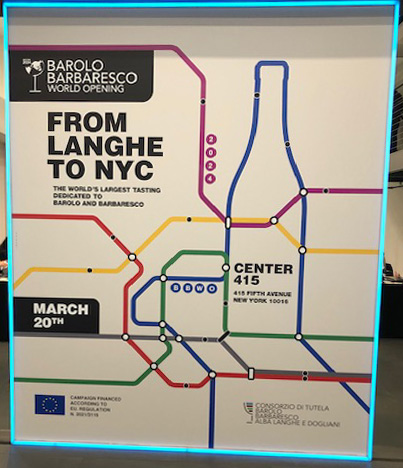
Barolo: A Focus on Drinkability!

A huge tasting of Barolo, Barbaresco, and Nebbiolo from the Langhe in New York represented almost 200 producers¾probably close to half the total number of producers in Barolo and Barbaresco. The focus was on recent vintages, most often 2020 (in many cases about to be released in the U.S.), with some 2019s and 2018s, and even a few 2021s. The great surprise was how approachable the wines are: there are not so many that are actually ready, but there are few that won’t be ready within the next year or so.

This could scarcely be more of a contrast with the traditional view of Barolo and Barbaresco, that the wines need at least a decade before you even begin to think about opening them. To be sure, earlier maturation is a world wide trend, but perhaps because Nebbiolo has never been focused on fruits that in principle could come to the fore to hide the tannic structure, the increase in approachability is an even greater contrast with tradition than it is, say, in Bordeaux and Burgundy.

Increased ripeness and management of tannins has narrowed the gap between Barolo and Barbaresco. Indeed, ‘fruity’ appears in my notes for wines from both appellations, something that I don’t believe has ever happened before for either Barolo or Barbaresco. Evidence of fruit may be a touch more common in Barbaresco, but the result of this lightening of style is that the difference between Barolo and Barbaresco has narrowed, to the point at which they would be difficult to distinguish in a blind tasting.

2018 is the classic lighter vintage from Barolo, very tempting for consumption in restaurants, as the result of rain during the season. There were not many examples of the vintage at this tasting, but those that were presented showed well even against 2019, which is considered a more classic year. Perhaps the 2018s are showing better than expected because few single-vineyard wines were made this year, and the grapes went into the communal wines. The 2020 vintage is perhaps a touch lighter than 2019 which (perhaps because of the extra year in bottle) seems to have a little more richness at this point. From limited samples, 2021, also referred to as a classic vintage, seems a little tighter than 2020.

There does not seem to be much correlation between the new lighter style and the aging regime, that is, whether the wine ages in large botti or in barriques. Some of the wines did show a very slight sense of spice, but it would probably be over-imaginative to put this down to new oak: in fact, I would have to say that I did not taste any wines at all where I could really detect oak directly as a flavor component. If there is a trend, it is backing away from barriques with more focus on large oak.

A few wines gave a more modern impression, by which I mean a softer, fruitier impression on the palate; a few wines went in the other direction and showed an obvious sense of structure in the form of tannic dryness. But the main impression is a consensus about style in the sense of a determined effort to make the wines more approachable sooner, if not quite immediately. Aside from the few wines at each extreme, it would be an extremely astute taster who could identify aging regimes.

At the other end of the scale, I am left wondering how many wines will really have extended longevity. My average tasting note said, start in 3 years, and drink for a decade. At a comparable tasting 20 years ago, my average note would probably have said, don’t start for 10 years and then drink for at least another 10 years. On the other hand, it is almost certainly true that the wines made in the recent vintages will be enjoyable to drink overall for just as a long a period as the wines of the past , even if that period starts much sooner. The swings and roundabouts of outrageous fortune (to misquote Hamlet and mix metaphors) is the unresolved question as to whether today’s wines, at their peak, will reach the same level of complexity as those of the past.

Bordeaux 2021: A Vintage of Restaurant Wines (If the Price is Right)

The UGCB tasting of the recently released 2021 vintage showed a relatively homogeneous character for wines with fruits on the lighter side backed by fresh acidity. That sense of freshness was relatively tart in Pessac-Léognan, noticeable as fresher than usual in the Médoc, and showing as reduced opulence in St. Emilion and Pomerol. Châteaux that have moved to an international style showed it less obviously this vintage.

Pessac-Léognan is quite consistent with mid-weight wines. They should be lovely restaurant wines as most will be ready to start within a couple of years. The trio of Smith Haut Lafitte, Pape Clément, and Domaine de Chevalier showed as having greater weight and longevity than the other reds. Whites tended to show herbaceous, sometimes even sweaty, notes of Sauvignon Blanc, but with Pape Clément smoother and fatter, and Domains de Chevalier standing out for its precision. Larrivet Haut Brion retained typicity with a nice balance between Sauvignon Blanc and Sémillon.  Among the lesser châteaux, Olivier showed unusually well.

Margaux is generally quite consistent, and overall seems less successful than St. Julien or Pauillac. The typical elegance of the appellation does show in most wines, although light fruits tend to allow the tannic backbone to show through. Most wines are quite fresh, you might almost say showing a sense of tartness on the finish. The impression of a cooler (and wetter) year is clearest in Pessac-Léognan, but Margaux is close behind. Among the best results, Lascombes shows more weight than most Margaux this vintage, with the usual sense of the international style subdued, Malescot St Exupéry is relatively juicy for Margaux, Marquis de Terme is round, Prieuré-Lichine shows floral impressions, Rauzan-Gassies and Rauzan-Ségla both show the typical elegance of Margaux

The best wines in St. Julien have retained a typical sense of finesse, perhaps with less precision than usual. They are fresh, but the sense of a tart finish is less evident than in Margaux. The best wines are Beychevelle, which is elegant if a little tight, Gruaud Larose, which is firm but elegant, Léoville Poyferré, showing a textured palate with the international style a little attenuated, Langoa all smooth and elegant while Léoville Barton retains its usual precision, and St. Pierre is a little deeper than Gloria.

I can’t really say why Pauillac doesn’t seem to come to life in this vintage. The wines are firm rather than plush, they have more body than St. Julien or Margaux, and less obvious acidity pressing on the finish, they will need longer to come around and have greater longevity, but somehow they don’t capture the typicity of Pauillac. Armailhac gives a nice round wine, distinctly more refined than its stablemate Clerc Milon, Lynch Bages is one of the best results, a but of a throwback in needing significant time to come around, Lynch Moussas is unusually elegant for the chateau and appellation.

St. Estèphe was barely represented this year, and as neither of the second growths, Montrose and Cos d’Estournel are ever represented at the tasting, this is always one of the more difficult appellations to get a bead on, but at the level of Cos Labory and Phélan Ségur, the wines show more the limitations of the vintage than success in overcoming it. Ormes de Pez is punching above its weight, with fine, elegant fruits (outperforming its stablemate Haut Batailley in Pauillac),

The Haut-Médoc was not able to rise above the vintage. Most of the wines are rather tight now, and it’s hard to say whether there will be enough fruit to carry the palate when the structure resolves, although the more successful wines may move in the direction of a fine elegance over four years or so. La Lagune stands out. Listrac and Moulis have produced wines that seem a touch superficial, not as concentrated as one would like. Fourcas-Dupré stands out; Château Clarke is more structured and less approachable.

Acidity is less pressing on the finish in the Right Bank wines. Pomerol generally offers a somewhat soft impression (although it is difficult to form a representative view as Moueix do not present their wines at the UGCB tasting, so most of the top cuvées are missing). The general impression in 2021 is that Pomerol is soft rather than opulent.

Lighter fruits give St. Emilion a relatively restrained impression this year, even showing real elegance. The standout for me was Valandraud, with its fine, elegant, perfumed palate–the very antithesis of a garage wine! La Dominique is punching above its weight this year.

Difficult to form a clear impression of Sauternes from this tasting, because the tasters must have had a sweet tooth, as most of the Sauternes had run out before I got to them at the end. Doisy Daëne is a success that lives up to the reputation of the vintage; Sigalas Rabaud and Rayne Vigneau seemed disappointing by comparison.

TASTING NOTES FOR 2021 VINTAGE

Pessac-Léognan Red

Château Bouscaut: A little tart: pleasant fruits: but not much weight. 88 Drink 2026-2032

Château de Fieuzal: Smoother than usual although a little tart with a hint of piquancy but showing juicy fruits and a smoky granular texture: 89 Drink 2026-2032

Château Larrivet-Haut-Brion: Smooth and elegant with smoky tannins: quite flavorful. Good result for vintage. 90 Drink 2029-2039

Château Latour-Martillac: The tart note of the vintage shows here as a little sour. Seems a bit shallow. 88 Drink 2027-2035

Château Les Carmes Haut Brion: Quite elegant fruits: a little sharp: not heavy weight. 88 Drink 2026-2032

Château Malartic Lagravière: Mid weight palate is just a little tart: with a touch of smoky tannins: nice restaurant wine. 89 Drink 2027-2034

Château Pape Clément: Smooth and elegant with smoky tannins in the background. The tartness of the year just shows but the wine should become elegant when the tannins resolve. The palate should become chocolaty with time. 91 Drink 2028-2038

Château Smith Haut Lafitte: Just a fraction lighter and more fruit forward than Domaine de Chevalier or Pape Clement. Smooth and elegant and not especially international this year. 89 Drink 2027-2037

Domaine de Chevalier: Smooth and elegant with just a touch of the tart character if the year. 90 Drink 2026-2036

Margaux

Château Angludet: Elegant with the lightness of Margaux showing: a little restrained with a touch of tannin at end. 89 Drink 2027-2035

Château Brane Cantenac: Smooth and elegant for the year. A touch smoky on light granular background. A fraction tart on the finish. 89 Drink 2027-2035

Château Cantenac Brown: Light weight palate with some tannins drying the finish: a touch fresh: but nice texture. 88 Drink 2027-2035

Château Dauzac: Nice representation of Margaux. Tannins are light but dry finish with smoky impression. A little shallow without much follow through. 88 Drink 2027-2035

Château Desmirail: Light and elegant: true to Margaux: although a little tart and slightly herbal on finish with light tannins. 88 Drink 2027-2034

Château du Tertre: Smooth: elegant: round: acidity tames better than most in Margaux this year. Elegant and dry on finish in medium weight style. Tannins just show at end. 90 Drink 2028-2038

Château Giscours: A little fuller than most Margaux: cut by that touch of tartness from the vintage. Seems a little on the rustic side for Margaux. 88 Drink 2927-2935

Château Kirwan: Light weight: showing that tart character. Tannins just show on finish. Seems a bit shallow. 88 Drink 2027-2035

Château Lascombes: This has a little more weight than most Margaux(the remnant of the international style in this vintage): with a touch of tartness. Tannins just show on finish. Needs a little time to resolve. 90 Drink 2028-2038

Château Malescot St. Exupéry: Light and fresh: but fruits behind are juicy for Margaux. Tannins show some smokiness. Has firm structure and needs a little time. 89 Drink 2028-2038

Château Prieuré Lichine: Some floral impressions to nose. Smooth and round on palate with tannic structure showing on finish. Nice weight: a good result for vintage: 90 Drink 2028-2038

Château Rauzan-Gassies: Smooth and elegant: very much a representative of Margaux in this year. Some dryness on finish shows structure. Nice and fresh with some juicy fruits. Very good result for the year. 90 Drink 2028-2038

Château Rauzan-Ségla: Sweet and elegant: feels softer than most in Margaux this vintage: sweet rather than juicy. Elegant representation of Margaux but with that tartness at the end. 90 Drink 2026-2036

Château Siran: Light: elegant Margaux: structure shows a touch of dryness: not a heavyweight: decent typicity. 88 Drink 2027-2035

St. Julien

Château Beychevelle: Here is the elegance of St. Julien with Beychevelle’s tightness in the background. Elegant: seems more driven by Cabernet Sauvignon: some dryness on the finish. 90 Drink 2028-2040

Château Branaire Ducru: A light style for St Julien (much lighter than Beychevelle): not much stuffing: some light tannic support. 88 Drink 2027-2035

Château Gloria: Quite fine but a little tight with the tartness of the year just showing. In another 2-3 years should be a lovely restaurant wine. 89 Drink 2027-2037

Château Gruaud Larose: Shows the finesse of St Julien with mid weight of the vintage. Good representation of St. Julien this year. Firm enough but does not loose finesse. 90 Drink 2029-2039

Château Lagrange: On the light side for Lagrange: tannins show more distinctly against lightness of fruits. Tartness of year shows through. 88 Drink 2027-2034

Château Langoa Barton: Smooth: round: elegant: a little more weight than I expected in this vintage for St. Julien. 90 Drink 2028-2038

Château Léoville Barton: Smooth and more elegant than Langoa. Very fine with the usual impression of precision. Moving in chocolaty direction. 90 Drink 2028-2040

Château Léoville Poyferré: Already shows some chocolaty impressions. Texture gives away the international style: although it’s attenuated in this vintage by the acidity. Dryness on finish attests to structure. 91 Drink 2027-2037

Château Saint Pierre: A hair’s breadth more finesse than Gloria and just a little deeper on the palate. Very true to St. Julien. 90 Drink 2028-2040

Château Talbot: Fine but a little tight: with fine tannic structure at the end. 89 Drink 2028-2038

Pauillac

Château Batailley: A sort of middle of the road Pauillac for the vintage. Tartness shows on the finish. It does not quite seem to come to life. 88 Drink 2029-2037

Château Clerc Milon: A fuller impression compared to the wines of St Julien but firm rather than plush. Some tannins dry finish. A tendency to rusticity shows. 88 Drink 2029-2037

Château Croizet Bages: Rounder: weightier: and fuller than its stablemate Rauzan Gassies: moving more in the direction of rusticity. Doesn’t really show the plushness of Pauillac. 88 Drink 2029-2039

Château d’Armailhac: Noticeably smoother and more refined than Clerc Milon: full flavored and moving in a savory direction. Tannins are smooth on finish. 90 Drink 2028-2038

Château Duhart Milon: A little tight but inclining towards elegance although with some tart character at end. May move in a classic savory direction. 90 Drink 2029-2039

Château Grand-Puy Ducasse: There are hints of the plushness of Pauillac but the tart fruit is taking over. Decent result for the vintage. 89 Drink 2029-2037

Château Haut Batailley: Tart and herbal notes show on palate with tannic bitterness just showing on finish: where tannins are quite drying. Seems quite old style. 89 Drink 2029-2038

Château Lynch Bages: Smooth: just short of plushness on the finish: which is quite dry but the tannins are fine. Seems a bit of a throwback in showing potential but really needing time. 92 Drink 2030-2040

Château Lynch Moussas: Quite elegant for Pauillac and the vintage: fresh rather than tart: with medium weight fruits. This will make a nice restaurant wine in a few years. 89 Drink 2028-2036

St. Estèphe

Château Cos Labory: The hardness of St Estèphe shows against the freshness of the vintage: but it is really quite tart on the finish. It’s a good demonstration of the limitations of the vintage. 88 Drink 2028-2036

Château les Ormes de Pez: Punching above its weight: in fact I prefer it to Haut Batailley because its fine and elegant with mid weight fruits: supported by tannins in the background. 90 Drink 2027-2035

Château Phélan Ségur: For St. Estèphe this is a relatively light style: a little hard on the palate at present: but with nice fruits behind: if a little too tart. 88 Drink 2028-2036

Château Poujeaux: Smooth and elegant but seems a little shallow. There are some savory intimations in the background. 89 Drink 2029-2037

Château Clarke: Smooth with more impression of a full palate than most. A touch smoky in the background. Good structure showing as dryness on finish. More structured but less approachable than Fourcas-Dupré. 89 Drink 2029-2039

Château Fourcas Dupré: Just a touch finer and smoother than Fourcas-Hosten. A little tight on the finish but shows elegance and better concentration than most Listrac this year. With a smoky finish: this is the wine I like best from Listrac and Moulis. 89 Drink 2028-2036

Château Fourcas Hosten: Fine and elegant: not as tight as some: just shows a fraction tart on finish. A sense of lack of concentration in background. Some tannic dryness to finish. 88 Drink 2028-2036

Château Maucaillou: Faint almonds on the nose. Smooth and elegant on the palate but shows that sense of lack of concentration of Listrac this year. A little herbal at the end. 88 Drink 2028-2036

Haut-Médoc

Château Beaumont: (This is Beychevelle’s Haut Médoc). Much lighter style than Beychevelle: not much stuffing: but very pleasant. 87 Drink 2026-2032

Château Cantemerle: Smooth but a little tight: with black fruit impressions on the palate supported by fine tannins. Should move in the direction of elegance as it ages. 89 Drink 2029-2037

Château Citran: Fine structure but tight: tannins obscuring fruits on finish. 88 Drink 2029-2037

Château Coufran: A little tight: black fruits behind the slightly acidic finish: perhaps it will move in a savory direction as it ages. 88 Drink 2029-2037

Château La Lagune: A fine impression of La Lagune: smooth albeit with a tart finish: a little tight with potential for aging to smooth elegance. 89 Drink 2029-2039

Château La Tour Carnet: A somewhat tight impression. Fine fruits behind the rather reserved palate. Difficult to say whether and when the fruits will emerge: but needs at least four years. 88 Drink 2028-2036

Château La Tour de By: Quite a fine: elegant impression for the Haut-Médoc: although a little herbal at the end. Mid weight palate. Well made. 88 Drink 2028-2036

St. Emilion

Château Berliquet: Lighter and less concentrated than Canon: so the acidity shows through more clearly. In fact: seems a bit too much on the tart side. 87 Drink 2027-2034

Château Canon: Shows its usual finesse and precision but with less sense of concentration than usual. It is rather tight at the present. 89 Drink 2028-2036

Château La Dominique: Quite a firm impression. Fruits are relatively tight: between the red and black spectrum: supported by good structure. Punching above its weight this year. 89 Drink 2028-2036

Château Larcis Ducasse: Quite a restrained impression with some savory notes. Fine on the palate and a touch nutty on the finish. 88 Drink 2028-2035

Château Pavie Macquin: The acidity of the vintage shows more clearly here than with most St. Emilions: with a faintly sour impression making this feel a bit of a throwback. There are some intimations of savory character to come. Tannic structure is light. 89 Drink 2028-2035

Château Valandraud: Unusual nose is quite floral. Quite full on the palate with some savory intimations. Tannins are so smooth you hardly see them: but the structure is there. This is a very fine and elegant result: not at all like a garage wine. 91 Drink 2027-2037

Château Villemaurine: Quite elegant balance: not too soft or fruit-forward: nicely restrained: a touch of savory acidity at the end. 88 Drink 2028-2036

Pomerol

Château Beauregard: Round and chocolaty on the palate: quite granular texture is a touch soft: perhaps not quite enough follow-through. 89 Drink 2028-2036

Château Bon Pasteur: Very fine and elegant for Pomerol: a touch chocolaty: just enough acidity to take the edge off. A very good result for the vintage: certainly not overblown. 89 Drink 2028-2036

Château Clinet: Just enough sense of acidity to cut the general softness of Pomerol this year. It is on the lighter side for Clinet. 88 Drink 2027-2035

Château La Cabanne: Soft and approachable with a slight touch of acidity: a granular texture moving in direction of chocolate: overall a restrained style for Pomerol. 89 Drink 2028-2036

Château Le Gay: The softness of Pomerol segues into a nutty palate that feels very Merlot-driven. Soft and attractive but do not expect great longevity. 88 Drink 2027-2034

Château Petit Village: Nicely rounded but not overtly fruity. A certain softness to the palate gives the impression that this vintage is Merlot-driven. Just a touch less structured than usual.. 88 Drink 2027-2034

Sauternes

Château de Rayne Vigneau: Viscous and lightly honeyed. Faint bitterness on finish. A little rustic. 88 Drink -2035

Château Sigalas Rabaud: Lightly honeyed but not obviously very botrytized or overwhelmingly sweet. Pleasant but not very powerful. 88 Drink -2036

Château Doisy-Daëne: Botrytized nose is quite honeyed. Viscous palate with lots of flavor. This is a success for the year. 90 Drink –2040

Pessac-Léognan White

Château Carbonnieux: A little lacking in character. Slightly herbaceous with refreshing acidity but not a lot of follow-through. 88 Drink -2028

Château de Fieuzal: Slightly sweaty nose from Sauvignon Blanc. Palate more acidic than herbaceous. Acidity is a bit pressing on the finish. 88 Drink -2029

Château Larrivet-Haut-Brion: Nice balance: a slight tang from Sauvignon Blanc: fat and nutty from Semillon. Acidity is fresh but not aggressive. 89 Drink -2029

Château Latour-Martillac: Nose shows some sweaty notes of Sauvignon Blanc. Palate is more acidic than herbaceous although there is a slightly herbaceous tang to the finish. 88 Drink -2029

Château Malartic Lagravière: Nose shows some sweaty Sauvignon Blanc. Quite typical Pessac. 88 Drink -2029

Château Olivier: Very nice balance just showing Sauvignon Blanc but not too aggressive. Faintly nutty impressions in background. 89 Drink -2029

Château Pape Clément: Smooth and round: more fat than Smith Haut Lafitte (more Semillon?) but Sauvignon Blanc coming out with those sweaty notes on the finish. 90 Drink -2029

Château Smith Haut Lafitte: Strong impression of Sauvignon Blanc with sweaty aromas: but fine and elegant on palate with a zing at the end from Sauvignon Blanc. 90 Drink -2028

Domaine de Chevalier: Smoothest and most precise of the whites this year. Less obviously dominated by Sauvignon Blanc than others. Very fine. 90 Drink -2029
Is Aligoté the Future of White Burgundy

Aligoté is not quite the grape variety that dare not speak its name, but it is certainly quite subservient to Chardonnay in Burgundy. It is found only in a relatively small production of Bourgogne Aligoté and in Bouzeron on the Côte Chalonnaise where it is the authorized white grape variety. The problem with Aligoté has always been its piercing acidity, but could that now become an advantage in the era of global warming, when Chardonnay can lose acidity and become over-ripe and overblown?

“Of course, thanks to global warming it is more and more important. Because Chardonnay is less and less vibrant. The skin of Chardonnay is becoming thicker and this brings bitterness, which may replace acidity,” says Pierre de Benoist at Domaine de Villaine, the top domain in Bouzeron. (Pierre is the nephew of Aubert de Villaine, of Domaine de la Romanée Conti, who established the domain in Bouzeron in 1971.)

Part of the problem with Aligoté is that the dominant cultivar—from which the available clones are derived—is Aligoté Vert. Domaine de Villaine grows the Aligoté Doré subvariety, which achieves greater ripeness. It’s been propagated by selection massale from some very old plants, some 115 years old representing the first planting after phylloxera.

Burgundy’s top Aligoté vineyard is Domaine Ponsot’s premier cru Monts Luisants in Morey St. Denis, one of the rare plantings of a white variety on the Côte de Nuits. (It is curious that although white plantings dominate the southern part of the Côte de Beaune and are rare on the Côte de Nuits, it is the latter that has all the variety ,with the Gouges strain of Pinot Blanc growing in premier crus in Nuits St. Georges, as well as the Aligoté in Morey St. Denis.)

The Luisants vineyard consists of 80% old vines planted in 1911 and 20% replanted in 2006. It cannot have been easy to maintain, because for a while planting Aligoté was not allowed in premier crus, although the restriction now has been lifted. Actually, Aligoté may be more common than is always realized: some years ago a producer on the Côte de Nuits said to me darkly, “you would be amazed how much Aligoté there is in Corton Charlemagne if you take a look at the vines.” Indeed, as Alexandre Abel at Domaine Ponsot points out, “The reputation of Corton Charlemagne was established in the 19th century when there was a huge proportion of Aligoté.”

Monts Luisants has become more consistent and precise since Alexandre took over winemaking in 2017. It used to be fermented in stainless steel and moved to barrique only after fermentation. Now it is moved to barrique around halfway through fermentation. “In 2017 we started to press it more gently and we don’t use sulfur,” Alexandre says.

One of the most interesting Aligoté cuvées I tasted comes from Meursault (of course, the vines may be in Meursault but the wine is Bourgogne Aligoté). Patrick Essa of Domaine Buisson-Charles is a person of strong opinions. When I had to change the time of our appointment because another producer had a problem with timing as he had to pick up his wife and children at the railway station, Patrick said, “Keep in mind that a vigneron whose principal concern is to collect his wife from the train is not as passionate as he should be about what he does.”

Patrick harvests the Bourgogne Aligoté as late as possible. “Aligoté goes from green to doré to rosé and I like it to be rosé.” Will Aligoté become more prominent because of global warming causing loss of acidity in Chardonnay. “I don’t have any problem with Chardonnay, lack of acidity is a problem caused by high yields.”

Global warming is forcing producers to reconsider what grape varieties may be appropriate everywhere wine is made. In the Rhône, they are bringing back varieties such as Counoise and Cinsault, that had been more or less phased out, because they produce less alcohol than Grenache. With Burgundy whites, the problem is more lack of acidity than gain in alcohol, but the question is the same: could a different variety produce better results if global warming continues?

Tastings

Domaine De Villaine, Bouzeron, 2021 
This is a blend from 17 plots of Aligoté in Bouzeron. They come from 9 lieu-dits and each lieu-dit is vinified separately in a foudre. Average age is 65 years and the oldest vines are 115 years. This vintage shows good acidity, but not oppressive, with inclinations towards salinity. Quite savory and fresh. Considering this is a cooler year, shows very good roundness. 89 Drink –2027

Domaine Ponsot,  Monts Luisants, 2020 
The acidity is really very well controlled and is more in the background than upfront. Fruits are quite lemony but the palate is silky, round, viscous, but without the fullness of Chardonnay. This is a leaner style, pointing in a more saline direction.   90 Drink –2030

Domaine Buisson-Charles, Bourgogne Aligoté, 2022 
(barrel sample) Almost stern impression to nose. Round, ripe, and flavorful, mingling fruity and savory impressions. A good example of the potential complexity of Aligoté.    88 Drink -2027